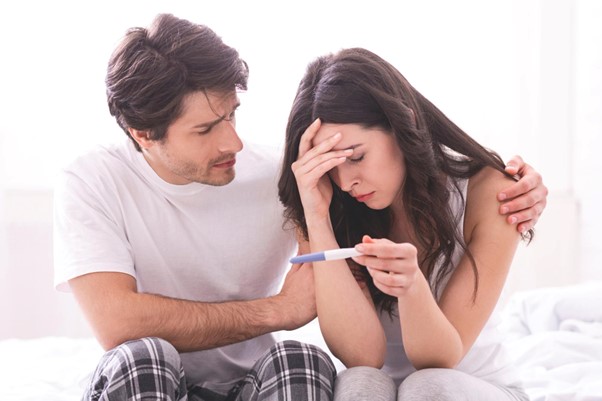

For many couples, deciding to have a baby comes with one simple expectation: stop contraception, try for a few months, and pregnancy will happen.
Sometimes it does.
But for others, conception takes longer than expected even when periods are regular, both partners feel healthy, and there appears to be no obvious problem. This delay can quickly create stress, self-doubt, and confusion.
The reality is that fertility depends on several steps happening at the right time. Ovulation, egg quality, sperm health, open fallopian tubes, the uterine environment, timing of intercourse, age, and hormonal balance all play a role.
A delay does not automatically mean infertility. But understanding what may be affecting conception can help couples know when to keep trying and when it may be useful to consult a fertility specialist.
Regular Periods Do Not Tell the Whole Story.
A predictable menstrual cycle is reassuring because it often suggests that ovulation is occurring.
However, regular periods do not confirm that every part of the reproductive process is functioning perfectly.
Pregnancy requires much more than menstruation.
An egg must develop and be released. Healthy sperm must reach it. Fertilisation must occur. The embryo must travel through the fallopian tube and successfully implant inside the uterus.
A difficulty at any one of these stages can delay conception even when a woman continues to have periods every month.
This is why fertility assessment considers the complete reproductive picture rather than menstrual regularity alone.
Timing May Be More Complicated Than It Seems.
One of the most common reasons pregnancy takes longer is inaccurate timing.
Many couples assume ovulation always happens on day 14 of the menstrual cycle. In reality, ovulation timing varies depending on cycle length and can even change from one month to another.
The fertile window generally includes the few days before ovulation and the day around ovulation itself because sperm can survive in the reproductive tract for several days, while the egg remains available for fertilisation for a much shorter period.
Missing this window repeatedly can reduce the chances of conception without there being any medical problem.
Tracking menstrual cycles, cervical mucus changes, or using ovulation prediction methods can sometimes help couples better understand fertile days.
Age Can Affect Fertility Earlier Than Expected.
Women are born with a limited number of eggs, and both egg quantity and quality gradually decline with age.
This decline becomes more significant with advancing reproductive age, particularly from the mid-30s onward.
However, age-related fertility changes do not happen suddenly on a particular birthday.
Two women of the same age may have very different reproductive profiles.
Male fertility can also change with age, although the pattern is generally more gradual.
For couples planning pregnancy later in life, early discussion with a fertility specialist may help provide a clearer picture of reproductive health and realistic expectations.
Ovulation May Not Happen Every Month.
Even women who menstruate may occasionally experience cycles without normal ovulation.
Conditions such as polycystic ovary syndrome, thyroid disorders, significant weight changes, high prolactin levels, extreme exercise, or severe stress can affect ovulation.
Possible signs of irregular ovulation include:
- Unpredictable cycles
- Very long cycles
- Missed periods
- Significant acne
- Increased facial or body hair
- Sudden weight changes
Sometimes the symptoms are subtle.
Hormonal testing and ultrasound monitoring can help determine whether ovulation is occurring consistently and whether the ovaries are functioning as expected.
Egg Quality Cannot Be Seen From the Outside.
A woman can feel healthy, exercise regularly, and have predictable periods while still experiencing age-related changes in egg quality.
Egg quality refers partly to whether an egg contains the correct number of chromosomes needed to develop into a healthy embryo.
As reproductive age increases, the proportion of chromosomally abnormal eggs tends to rise.
There is no simple blood test that directly measures egg quality. Age remains one of the strongest indicators, although ovarian reserve testing can provide additional information about egg quantity.
This distinction is important because having a good ovarian reserve does not necessarily guarantee that conception will happen immediately.
Sperm Health Is Half the Fertility Picture.
Fertility discussions often focus mainly on women, but male factors contribute to a substantial proportion of conception difficulties.
Sperm must be present in sufficient numbers, move effectively, and have suitable structure to fertilise an egg.
Sperm health can be affected by factors including:
- Smoking
- Excessive alcohol
- Obesity
- Certain medications
- Hormonal disorders
- Previous infections
- Testicular injury
- Genetic conditions
- Excessive heat exposure
- Some chronic illnesses
A semen analysis is usually a straightforward part of fertility evaluation.
Testing both partners early can prevent months of unnecessary investigation focused only on the woman.
The Fallopian Tubes May Be Involved.
The fallopian tubes create the pathway between the ovaries and uterus.
After ovulation, the egg enters a fallopian tube, where fertilisation usually occurs. The resulting embryo then travels toward the uterus.
If one or both tubes are blocked or damaged, sperm may be unable to reach the egg.
Tubal problems may occur following:
- Pelvic infections
- Previous abdominal or pelvic surgery
- Endometriosis
- Certain sexually transmitted infections
- Previous ectopic pregnancy
Many women with blocked fallopian tubes experience no obvious symptoms.
This means the problem may only be discovered during fertility testing.
Endometriosis Can Affect More Than Period Pain.
Endometriosis is commonly associated with painful periods, but fertility may sometimes be affected even when pain is mild.
The condition may create inflammation, scar tissue, ovarian cysts, or changes around the fallopian tubes and ovaries that interfere with normal reproductive function.
Possible symptoms include:
- Severe menstrual cramps
- Pain during intercourse
- Chronic pelvic pain
- Pain during bowel movements
- Difficulty conceiving
Some women discover endometriosis only after fertility evaluation.
Treatment depends on the severity of the condition, symptoms, age, ovarian reserve, and pregnancy goals.
The Uterus Also Needs the Right Environment.
Successful conception does not end with fertilisation.
The embryo must implant into the lining of the uterus.
Certain uterine conditions may interfere with implantation or pregnancy development, including:
- Fibroids
- Endometrial polyps
- Congenital uterine abnormalities
- Scar tissue within the uterus
Not every fibroid or polyp affects fertility. Location and size matter considerably.
An ultrasound or other imaging test can help determine whether the uterine structure may be contributing to delayed conception.
Thyroid and Hormonal Health Matter.
Reproductive hormones work together in a delicate balance.
Thyroid disorders, elevated prolactin, insulin resistance, PCOS, and other hormonal changes can affect ovulation and menstrual function.
Some hormonal problems cause noticeable symptoms, while others may be discovered only through blood tests.
Correcting an underlying hormonal condition may improve fertility in some cases.
This is why treatment should focus on identifying the reason for delayed conception rather than immediately assuming advanced fertility treatment is necessary.
Does Stress Cause Infertility?
This question often creates unnecessary guilt.
Stress can influence sleep, sexual frequency, eating habits, overall well-being, and sometimes menstrual patterns. However, couples should not be told that fertility difficulties are happening simply because they are “thinking about pregnancy too much.”
Infertility is a medical issue with many possible causes.
Reducing stress can certainly support emotional well-being during the fertility journey, but relaxation alone cannot open blocked tubes, correct severe sperm abnormalities, or treat significant endometriosis.
Couples deserve proper evaluation rather than blame.
How Long Should Couples Try Naturally?
Pregnancy does not occur every month even in healthy couples.
Therefore, several months of trying can be completely normal.
As a general guideline, couples may consider medical evaluation after approximately 12 months of regular unprotected intercourse when the woman is under 35.
When the woman is 35 or older, evaluation is often recommended after around six months.
Earlier consultation may be appropriate when:
- Periods are very irregular or absent
- There is known endometriosis
- Previous pelvic surgery has occurred
- There is a history of ectopic pregnancy
- Male fertility concerns are known
- Either partner has undergone cancer treatment
- The woman has a known low ovarian reserve
Seeking a top fertility specialist gujarat does not automatically mean beginning IVF. The first step is usually understanding why pregnancy has not happened yet.
What Happens During Fertility Evaluation?
Fertility assessment is usually a step-by-step process rather than one large test.
For women, evaluation may include:
- Menstrual and medical history
- Hormonal blood tests
- Ovarian reserve assessment
- Pelvic ultrasound
- Ovulation evaluation
- Fallopian tube testing when needed
For men, semen analysis is often one of the first investigations.
Couples may also be asked about lifestyle, previous pregnancies, surgeries, infections, medications, and how long they have been trying.
The goal is to identify factors that may be reducing the chance of conception.
Treatment Does Not Always Mean IVF.
Another common misconception is that visiting a fertility clinic immediately leads to IVF.
Many couples may require much simpler treatment.
Depending on the cause, options may include:
- Better timing of intercourse
- Ovulation induction
- Hormonal treatment
- Lifestyle modification
- Treatment of thyroid problems
- Management of PCOS
- Surgery for selected conditions
- Intrauterine insemination
- IVF when medically appropriate
The treatment plan should reflect the couple’s diagnosis, age, fertility duration, previous treatment, and personal preferences.
A qualified fertility specialist should explain why a particular approach is being suggested rather than recommending the same treatment for everyone.
Sometimes No Clear Cause Is Found.
One of the most frustrating situations is when fertility tests appear normal but pregnancy still does not happen.
This is sometimes called unexplained infertility.
It does not mean the difficulty is imaginary. Current tests simply cannot measure every tiny step involved in fertilisation, embryo development, and implantation.
Management may depend on age, duration of infertility, and previous attempts.
For some couples, continued natural trying may be reasonable. Others may benefit from assisted reproductive techniques after counselling with a top fertility specialist gujarat.
Final Thoughts
Conception can take longer than expected for many reasons, and the cause is not always obvious.
Timing, age, ovulation, sperm health, fallopian tubes, endometriosis, uterine conditions, hormonal balance, and egg quality can all influence how quickly pregnancy occurs.
A few unsuccessful months do not automatically mean something is wrong. At the same time, repeatedly waiting without evaluation when clear risk factors are present may delay helpful treatment.
Consulting a fertility specialist can provide clarity about what is happening and whether any intervention is actually needed. For couples seeking a top fertility specialist gujarat, the most important factor is personalised evaluation rather than rushing directly into treatment.
Fertility is rarely about one person, one test, or one number. Understanding the complete picture can transform uncertainty into a clearer, more informed path toward pregnancy.