
Contact Info

Contact us for support

+91 72111 78917
Contact Us

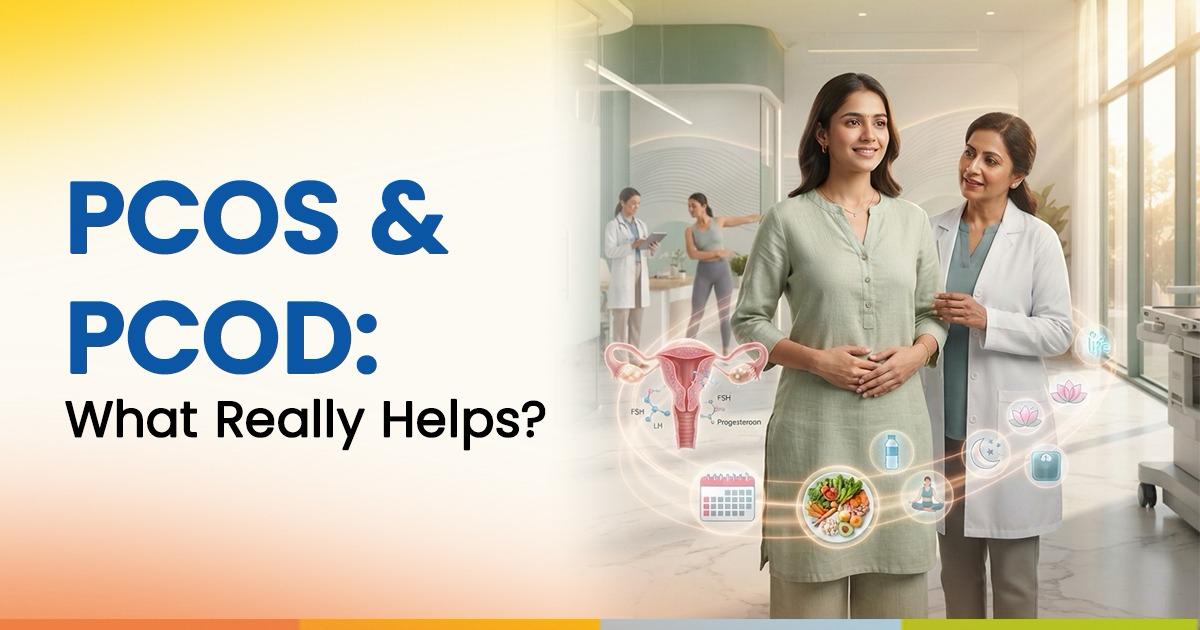
PCOS & PCOD: When Should You Actually Visit a Gynecologist and What Really Helps?

For many women, irregular periods, sudden weight gain, acne, or mood swings are often brushed off as “just hormones.” It’s easy to ignore these signs, especially when life is busy and everything else seems more urgent. But when these symptoms persist for months—or even years—they may be pointing toward conditions like PCOS (Polycystic Ovary Syndrome) or PCOD (Polycystic Ovarian Disease).

This is usually the stage when women begin searching for a gynecologist near you, often after trying to manage things on their own. The reality, however, is that PCOS and PCOD are not temporary imbalances. They are long-term hormonal conditions that require understanding, consistency, and the right medical guidance.

The good news? With the right approach, they are highly manageable.

Understanding PCOS & PCOD: What’s Really Happening Inside Your Body

PCOS and PCOD are hormonal disorders where the ovaries produce higher levels of androgens (male hormones). This imbalance interferes with the normal process of ovulation, which in turn affects menstrual cycles and overall reproductive health.

In simple terms, your body’s hormonal system goes slightly out of sync—and that imbalance starts showing up in different ways.

Common symptoms include:

  • Irregular or missed periods
  • Weight gain or difficulty losing weight
  • Acne, oily skin, or pigmentation
  • Excess facial or body hair
  • Hair thinning or hair fall
  • Mood fluctuations

Not every woman will experience all of these symptoms, which is why PCOS and PCOD often go unnoticed for a long time. Some women may only have irregular periods, while others may notice changes in their skin or weight first.

Understanding these early signs is the first step toward managing the condition effectively.

When Should You Visit a Gynecologist?

One of the most common questions is: When is the right time to consult a doctor?

The honest answer is—sooner than you think.

You should consider visiting a gynec near me if:

  • Your menstrual cycle is consistently irregular
  • You frequently skip periods
  • You notice sudden hormonal changes like acne or hair growth
  • You are experiencing unexplained weight changes
  • Your symptoms are affecting your daily routine or confidence

Many women wait, hoping things will “settle on their own.” But PCOS and PCOD are conditions that benefit greatly from early intervention. The earlier you address them, the easier they are to manage.

Why Early Diagnosis Makes a Huge Difference

PCOS and PCOD are progressive in nature. Ignoring them doesn’t make them disappear—it often makes them more difficult to manage later.

If left unaddressed, they can lead to complications such as:

  • Increased risk of insulin resistance and diabetes
  • Hormonal imbalances
  • Irregular ovulation
  • Long-term metabolic issues

Early diagnosis helps in identifying the root cause and starting the right treatment plan before symptoms become severe.

At places like Oorkid Hospital and IVF Centre, diagnosis is done through a combination of medical history, blood tests, and ultrasound—ensuring that treatment is based on accurate understanding rather than assumptions.

It’s Not Just Hormones—Lifestyle Is a Key Factor

One of the most important aspects of managing PCOS and PCOD is lifestyle. Unlike many medical conditions, daily habits play a significant role in controlling symptoms.

Small, consistent changes can bring noticeable improvements:

  • Maintaining a balanced diet with controlled sugar intake
  • Engaging in regular physical activity
  • Managing stress through relaxation techniques
  • Ensuring proper sleep cycles

These changes may sound simple, but they have a powerful impact on hormonal balance. In many cases, lifestyle correction alone can significantly reduce symptoms.

Treatment Is Always Personalized

There is no universal treatment for PCOS or PCOD. Every woman’s body responds differently, and treatment plans are designed accordingly.

Depending on your condition, a gynecologist may suggest:

  • Medications to regulate menstrual cycles
  • Hormonal therapy
  • Lifestyle modifications
  • Long-term monitoring

Some women may need medical intervention, while others may manage effectively with lifestyle changes. This is why self-diagnosis or random treatments can be misleading.

Consulting a qualified expert ensures that your treatment is tailored to your specific needs.

The Emotional Side of PCOS & PCOD

While the physical symptoms are visible, the emotional impact of PCOS and PCOD is often overlooked.

Changes in appearance, irregular cycles, and ongoing health concerns can affect self-confidence and mental well-being. Many women feel frustrated when results don’t appear immediately, despite efforts.

It’s important to understand that managing PCOS is a journey—not a quick fix.

Having the right support system, both medically and emotionally, makes a significant difference. A good healthcare environment focuses not just on treatment, but also on reassurance and guidance.

Why Regular Monitoring Is Essential

Managing PCOS and PCOD is not a one-time solution—it requires ongoing attention. Regular check-ups help track progress and ensure that your body is responding well to the treatment plan.

Monitoring helps in:

  • Keeping hormonal levels in balance
  • Adjusting treatments when needed
  • Preventing long-term complications
  • Maintaining overall health

Hospitals like Oorkid Hospital and IVF Centre emphasize continuous care, ensuring that patients are supported at every stage rather than just during diagnosis.

Breaking the Myth: PCOS & PCOD Are Not the End

One of the biggest misconceptions is that PCOS and PCOD are permanent problems with no real solution. This belief often creates unnecessary fear.

In reality, these conditions are manageable with the right approach.

With consistent care, proper guidance, and a balanced lifestyle, many women are able to regulate their cycles, improve symptoms, and lead completely healthy lives.

The key lies in understanding your body rather than fighting against it.

Choosing the Right Gynecology Care

When searching for gynecologist near you, it’s important to look beyond convenience. The quality of care you receive plays a crucial role in how effectively your condition is managed.

You should look for:

  • Experienced gynecologists
  • Personalized treatment plans
  • Clear communication and guidance
  • Long-term support rather than quick fixes

A supportive healthcare setup ensures that you feel informed, comfortable, and confident throughout your journey.

The Bigger Perspective: Awareness Gives You Control

PCOS and PCOD are common, but they are often misunderstood. The lack of awareness leads to delayed diagnosis and unnecessary complications.

The more you understand your body, the more control you gain over your health.

Instead of reacting to symptoms, you start managing them proactively—and that shift makes all the difference.

Final Thoughts

Searching for a gynecologist near you is often the first step toward understanding what your body has been trying to communicate. And that step, though small, can lead to meaningful and long-term changes.

When you have the right guidance, managing PCOS and PCOD becomes less overwhelming and more structured. Choosing a trusted place like Oorkid Hospital and IVF Centre ensures that your journey is supported with the right balance of medical expertise and genuine care—helping you move forward with clarity and confidence.

Because in the end, managing PCOS is not just about treating a condition—it’s about building a lifestyle that supports your health, your balance, and your well-being for years to come.
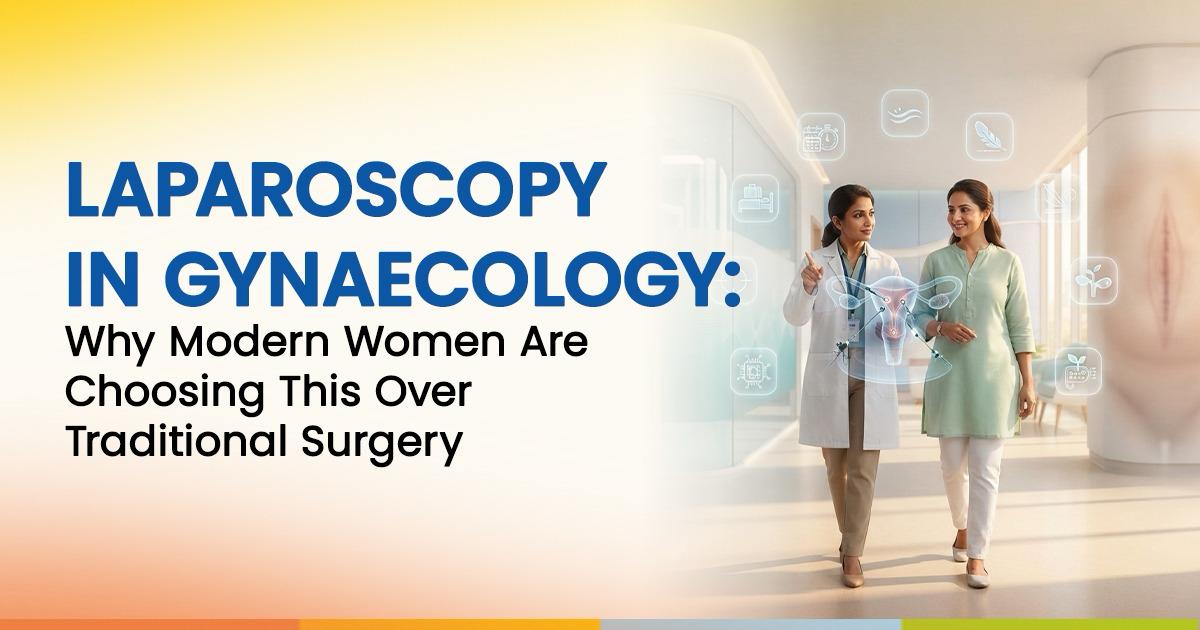
Laparoscopy in Gynecology: Why Modern Women Are Choosing This Over Traditional Surgery

When a woman is advised surgery for a gynecological condition, the first reaction is often hesitation. Questions about pain, scars, recovery time, and naturally, laparoscopy charges start coming to mind. Surgery, for many, still feels like something overwhelming and disruptive.

But medicine has evolved—and so has surgery.

Today, laparoscopy has transformed how gynecological procedures are performed. It has shifted surgery from something to fear into something far more precise, controlled, and manageable. Yet, despite its advantages, many women still don’t fully understand what it is and why it’s becoming the preferred choice.

Let’s break it down in a way that gives you both clarity and confidence.

What Is Laparoscopy?

Laparoscopy is a minimally invasive surgical technique used to examine and treat conditions inside the abdomen and pelvic area. Instead of making large cuts, doctors make small incisions—usually around the navel—through which a thin tube with a camera (laparoscope) is inserted.

This camera sends real-time images to a screen, allowing the surgeon to see internal organs clearly and perform procedures with high precision using specialized instruments.

What makes laparoscopy different is not just the size of the incision—but the approach itself. It minimizes physical trauma while maximizing accuracy. This is why it is often referred to as “keyhole surgery.”

At advanced centers like Oorkid Hospital and IVF Centre, laparoscopy is widely used as a modern solution for many gynecological conditions due to its effectiveness and patient-friendly nature.

Where Is Laparoscopy Commonly Used in Gynecology?

Laparoscopy is not limited to one specific condition—it is a versatile technique used in diagnosing and treating a wide range of gynecological issues.

Some common uses include:

  • Removal of ovarian cysts
  • Treatment of endometriosis
  • Fibroid removal (myomectomy)
  • Management of ectopic pregnancy
  • Diagnosis of unexplained pelvic pain
  • Fertility-related procedures

One of the biggest advantages is that it can often serve both diagnostic and treatment purposes in a single procedure. This reduces the need for multiple interventions and helps patients avoid unnecessary delays.

Why Laparoscopy Is Becoming the Preferred Choice

The growing preference for laparoscopy is not just about medical advancement—it’s about better patient experience.

Compared to traditional open surgery, laparoscopy offers:

  • Smaller incisions and minimal scarring
  • Less post-operative pain
  • Reduced blood loss
  • Lower risk of infection
  • Faster recovery and return to normal life

For many women balancing work, family, and personal responsibilities, this faster recovery is a major advantage.

Precision That Protects Your Health

One of the most significant benefits of laparoscopy is precision. The magnified visuals allow surgeons to see details that may not be as clearly visible in open surgery.

This is particularly important in gynecology, where delicate organs and reproductive structures are involved. Greater precision means:

  • Better diagnosis
  • Targeted treatment
  • Preservation of healthy tissue

For women concerned about fertility or long-term reproductive health, this level of care is extremely valuable.

Is Laparoscopy Safe?

Safety is always a top concern when it comes to surgery. The good news is that laparoscopy is considered very safe when performed by experienced professionals.

Because the incisions are smaller, the risks associated with infection, blood loss, and complications are significantly reduced. Patients also tend to recover faster, which further lowers the chances of post-operative issues.

However, the safety of the procedure depends greatly on the expertise of the doctor and the quality of the hospital. This is why choosing the right place matters as much as choosing the procedure itself.

Recovery: What You Can Expect?

Recovery after laparoscopy is usually much smoother compared to traditional surgery. Most patients can go home within 24–48 hours, and in some cases, even on the same day.

During recovery, you may experience:

  • Mild discomfort for a few days
  • Quick return to light activities
  • Gradual resumption of normal routine

Within a short period, most women are able to return to their daily lives without major restrictions.

This shorter recovery time not only improves physical comfort but also reduces emotional stress associated with prolonged healing.

The Role of Technology and Expertise

Laparoscopy is a technique that relies heavily on both advanced technology and the skill of the surgeon. Modern equipment allows for better visualization and precision, while an experienced doctor ensures safe and effective execution.

Hospitals that invest in both—like Oorkid Hospital and IVF Centre—are able to offer better outcomes and a more comfortable experience for patients.

This combination of technology and expertise is what defines high-quality care.

Beyond the Surgery: The Importance of Patient Experience

Surgery is not just about the procedure—it’s about the entire journey. From the first consultation to post-operative care, every step matters.

Clear communication, proper guidance, and emotional support can significantly reduce anxiety and improve recovery. Patients who feel informed and supported are more confident and tend to heal better.

A hospital that focuses on patient experience ensures that you are not just treated, but also understood.

The Bigger Shift: A Move Toward Patient-Centered Care

Laparoscopy is part of a larger transformation in healthcare. The focus is shifting from invasive treatments to approaches that are less disruptive, more efficient, and centered around patient comfort.

This change reflects a deeper understanding of what patients need—not just medical solutions, but also ease, clarity, and confidence.

For women, this means having access to treatments that align with both their health and their lifestyle.

Final Thoughts

Searching for laparoscopy charges is often the first step in a journey that may feel uncertain. But when you look beyond the numbers, laparoscopy stands out as a modern solution that combines safety, precision, and faster recovery.

And the experience becomes even more reassuring when you are in the right hands. Choosing a place like Oorkid Hospital and IVF Centre means you’re not just opting for advanced surgical techniques, but also for a level of care that supports you at every stage—from diagnosis to recovery.

Because in the end, it’s not just about undergoing surgery—it’s about how smoothly, safely, and confidently you move forward afterward.

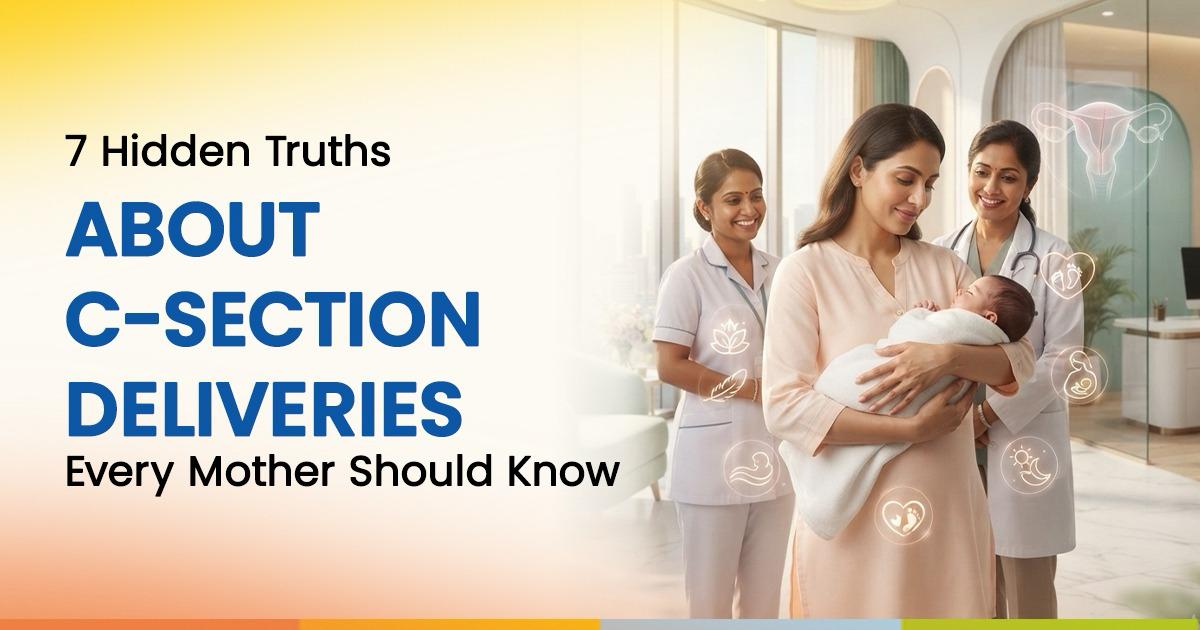
7 Hidden Truths About C-Section Deliveries Every Mother Should Know

When a mother or her family searches for the best hospital for c section delivery near you, it usually comes from a place of urgency, confusion, or even fear. Childbirth is one of the most emotional and life-changing experiences in a woman’s life, and the moment the word “surgery” enters the conversation, it can feel overwhelming. But here’s the truth—C-section (Cesarean delivery) is not something to panic about. It is one of the most carefully planned and life-saving procedures in modern medicine.

What many people don’t fully realize is that a C-section is not just a delivery method—it’s a deeply thought-out medical decision based on timing, safety, and the well-being of both mother and baby. Understanding this can completely change how you perceive it.

1. A C-Section Is Often About Safety, Not Convenience

There’s a common belief that C-sections are chosen for comfort or convenience. In reality, doctors recommend them only when a normal delivery could pose serious risks. Conditions like fetal distress, where the baby’s heartbeat becomes irregular, or placenta previa, where the placenta blocks the baby’s exit, make vaginal delivery unsafe.

In such situations, a C-section becomes the safest option—not a choice, but a necessity. At places like Oorkid Hospital and IVF Centre, decisions are always based on what’s medically best for both mother and child, not what’s easiest or fastest.

2. Timing Can Change Everything

One of the most critical aspects of a C-section is timing. In planned cases, doctors usually aim for around 39 weeks so the baby is fully developed. But childbirth doesn’t always follow a script. Sometimes, complications arise suddenly—labor may stop progressing, the baby might not be getting enough oxygen, or unexpected risks may develop.In those moments, quick decision-making becomes crucial. This is why searching for the best hospital for c section delivery near you is not just about convenience—it’s about choosing a place that is prepared for emergencies. A hospital with experienced doctors, advanced operation theatres, and a responsive neonatal team can make all the difference in those critical minutes.

3. It’s a Major Surgery—Not the “Easy Way Out”

Another myth that often circulates is that C-sections are easier than normal delivery. While anesthesia ensures that the mother does not feel pain during the surgery, the recovery tells a different story.

A C-section involves a surgical incision through the abdomen and uterus, which means the body needs time and care to heal. Unlike vaginal delivery, where mobility returns relatively quickly, recovery after a C-section can take weeks. There may be discomfort, limited movement, and a need for assistance in the initial days.

Understanding this helps mothers prepare mentally and physically, rather than being caught off guard.

4. Recovery Is Not Just Physical—It’s Emotional Too

The healing process after a C-section goes beyond the body. Yes, there is physical recovery—managing stitches, regaining strength, and slowly returning to daily activities. But there is also an emotional side that often goes unnoticed.

Hormonal changes, combined with the stress of surgery and the responsibility of a newborn, can make mothers feel overwhelmed. It’s completely normal to feel a mix of exhaustion, vulnerability, and even self-doubt.

This is where proper postnatal care becomes essential. Hospitals like Oorkid Hospital and IVF Centre focus not just on medical recovery but also on emotional support, guiding mothers through breastfeeding, healing, and adjusting to this new phase of life.

5. Every C-Section Has a Strong Medical Reason

It’s important to understand that no ethical doctor recommends a C-section without a valid reason. Each case is carefully evaluated based on multiple factors—mother’s health, baby’s position, size of the baby, previous medical history, and any complications during pregnancy.

For example:

  • A breech baby (feet-first position) often requires a C-section
  • Twin or multiple pregnancies may need surgical delivery
  • High-risk conditions like hypertension or diabetes can make normal delivery risky

These decisions are never random. They are made to prevent complications and ensure safety. Trusting your medical team plays a huge role in navigating this journey with confidence.

6. It Can Impact Future Pregnancies

Many women are not aware that a C-section can influence future pregnancies. While some women can opt for a normal delivery after a previous C-section (VBAC), it depends on several factors such as healing, the type of incision, and overall health.

In certain cases, doctors may recommend repeat C-sections to avoid complications like uterine rupture. This doesn’t mean limitations—it simply means that future pregnancies will require more careful monitoring and expert guidance.Choosing the best hospital for c section delivery near you ensures that not just your current delivery, but your long-term reproductive health is also in safe hands.

7. The Hospital You Choose Shapes Your Entire Experience

At the end of the day, one of the biggest factors that defines your C-section experience is the hospital you choose. A hospital is not just a place where delivery happens—it’s where decisions are made, care is provided, and recovery begins.

From skilled gynecologists and well-equipped operation theatres to NICU facilities and trained nursing staff, every element contributes to your safety and comfort. A well-prepared hospital ensures:

  • Immediate response during emergencies
  • Safe and hygienic surgical procedures
  • Continuous monitoring of both mother and baby
  • Proper guidance during recovery

Institutions like Oorkid Hospital and IVF Centre are designed to offer this complete ecosystem of care, making the entire journey more reassuring.

Understanding the Emotional Reality

There’s often an unspoken emotional expectation around childbirth—that a “normal delivery” is somehow better. When things don’t go as planned, some mothers may feel disappointed or even guilty.

But the truth is, the method of delivery does not define your strength or your journey into motherhood. A C-section is not a failure—it is a decision made to protect life.

Every birth story is different. What truly matters is that both mother and baby are safe and healthy.

Preparing Yourself Makes a Difference

If there’s a possibility of a C-section, preparing yourself in advance can make the experience much smoother.

  • Learn about the procedure so you know what to expect
  • Have open conversations with your doctor
  • Arrange support at home for the recovery phase
  • Focus on nutrition, hydration, and rest before delivery

When you’re informed, fear reduces. And when fear reduces, confidence naturally takes its place.

Final Thoughts

Searching for the best hospital for c section delivery is not just about finding a location—it’s about choosing where one of the most important moments of your life will unfold.

A C-section is not something to fear, but something to understand. It is a powerful medical intervention designed to ensure safety when complications arise. The more you know about it, the more confident and prepared you feel.

And somewhere in that decision-making process, the role of the hospital becomes deeply personal. Choosing a place like Oorkid Hospital and IVF Centre doesn’t just mean opting for medical expertise—it means choosing a team that understands both the science and the emotions behind childbirth. When care feels both professional and human at the same time, the entire experience shifts from being stressful to reassuring.

Because in the end, it’s not about how the baby is delivered—it’s about knowing that you were supported, cared for, and guided every step of the way.