Contact Info

Contact us for support

+91 72111 78917
Contact Us

Understanding Endometrial Cancer: Symptoms, Causes, Diagnosis, and Prevention

What is Endometrial Cancer?

Endometrial cancer is a type of cancer that starts in the lining of the uterus. This lining is called the endometrium. The uterus is a part of the female reproductive system. It is where a baby grows during pregnancy. Endometrial cancer is also known as uterine cancer. It is one of the most common gynecologic cancers, especially in women after menopause. According to the CDC, endometrial cancer affects thousands of women each year in the United States. Early detection can help improve outcomes. Therefore, knowing the signs and risk factors is important for women’s health.

Common Symptoms of Endometrial Cancer

Most women notice symptoms early. However, some signs may be mild at first. If you notice any of the following, talk to your doctor:Vaginal bleeding after menopauseBleeding between periodsUnusual vaginal dischargePain in the lower belly or pelvisPain during sexUnexplained weight loss

Sometimes, these symptoms can be caused by other health problems. But, it is always best to check with a healthcare provider. Early diagnosis can make treatment easier.

Causes and Risk Factors

Doctors do not know the exact cause of endometrial cancer. However, certain factors can raise your risk. Understanding these can help you stay aware:Age: Most cases happen in women over 50.Obesity: Extra body fat can affect hormone levels.Hormone changes: High levels of estrogen can increase risk.Family history: Having close relatives with uterine or colon cancer may raise your risk.Diabetes: Women with diabetes have a higher risk.Never being pregnant: Women who have never had children may be at higher risk.Use of certain medicines: Some hormone therapies can increase risk.

Even though these factors can increase risk, not everyone with them will get endometrial cancer. Likewise, some women with no risk factors may still develop it.

How Endometrial Cancer is Diagnosed

Doctors use several steps to diagnose endometrial cancer. First, they ask about your symptoms and medical history. Next, they may do a pelvic exam. If needed, your doctor may suggest tests such as:Ultrasound: This test uses sound waves to look at the uterus.Endometrial biopsy: A small sample of the uterine lining is taken and checked for cancer cells.Dilation and curettage (D&C): This is a minor procedure to collect more tissue if needed.Imaging tests: CT scans or MRIs may be used to see if cancer has spread.

Early diagnosis helps doctors find the best treatment plan. If you have symptoms, do not wait to seek help.

Treatment Options

Treatment for endometrial cancer depends on the stage and your overall health. Your doctor will explain the best options for you. Common treatments include:Surgery: Removing the uterus (hysterectomy) is often the main treatment.Radiation therapy: High-energy rays are used to kill cancer cells.Hormone therapy: Medicines can block hormones that help cancer grow.Chemotherapy: Drugs are used to destroy cancer cells, especially if cancer has spread.

Sometimes, doctors use more than one treatment. Your care team will guide you through each step. Support from family and friends can also help during treatment.

Prevention and Lifestyle Tips

While you cannot prevent all cases of endometrial cancer, some steps may lower your risk. Consider these tips for better women’s health:Maintain a healthy weight by eating balanced meals and staying active.Manage health conditions like diabetes with your doctor’s help.Talk to your doctor about hormone therapy risks before starting treatment.See your gynecologist for regular check-ups, especially after menopause.Report any unusual bleeding or symptoms right away.

Making healthy choices can support your overall well-being. Early action is key for prevention and better outcomes.

Consult a gynecologist at Oorkid Hospital and IVF Centre for personalized advice on endometrial cancer.

Understanding Endometrial Cancer: Symptoms, Causes, Diagnosis, and Prevention

What is Endometrial Cancer?

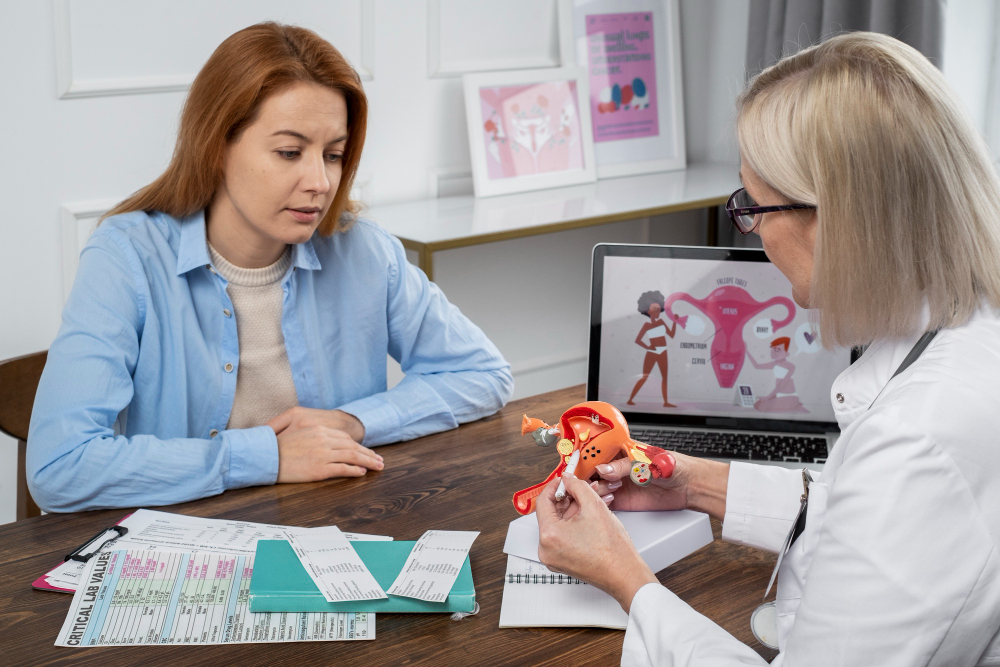
Endometrial cancer is a type of cancer that starts in the lining of the uterus. This lining is called the endometrium. Most cases of endometrial cancer happen after menopause. However, it can also affect younger women. Early detection is important because treatment works best in the early stages. According to the CDC, endometrial cancer is the most common cancer of the female reproductive organs. Knowing the basics can help you spot early signs of endometrial cancer and seek help quickly.

Common Symptoms of Endometrial Cancer

Recognizing symptoms early can make a big difference. While some women may not notice any signs at first, many do experience changes. Watch for these common symptoms:Unusual vaginal bleeding, especially after menopauseBleeding between periodsWatery or bloody vaginal dischargePain in the lower belly or pelvisPain during sex

Sometimes, these symptoms can be caused by other conditions. Still, it is important to talk to a doctor if you notice any of them. Early signs of endometrial cancer should never be ignored.

Causes and Risk Factors

Doctors do not know the exact cause of endometrial cancer. However, certain factors can raise your risk. Understanding these can help you make healthy choices. Here are some common risk factors:Age over 50ObesityNever having been pregnantEarly start of periods or late menopauseTaking estrogen without progesteroneFamily history of endometrial or colon cancerDiabetes

For example, being overweight increases estrogen levels, which can affect the endometrium. In addition, some inherited conditions, like Lynch syndrome, can also raise your risk.

How Endometrial Cancer is Diagnosed

Diagnosing uterine cancer starts with a visit to your doctor. First, your doctor will ask about your symptoms and medical history. Next, they may do a pelvic exam. If needed, further tests can help confirm the diagnosis. Common tests include:Transvaginal ultrasound to look at the uterusEndometrial biopsy, where a small tissue sample is takenDilation and curettage (D&C) if more tissue is neededImaging tests like CT or MRI scans to check if cancer has spread

Early diagnosis is key. Therefore, if you have symptoms, do not wait to see a healthcare provider.

Treatment Options

Treatment for endometrial cancer depends on the stage and your overall health. Most women need surgery to remove the uterus, called a hysterectomy. Sometimes, the ovaries and fallopian tubes are also removed. Other treatments may include:Radiation therapy to kill cancer cellsHormone therapy to block cancer growthChemotherapy to destroy cancer cells

Your doctor will explain the best plan for you. In many cases, early-stage endometrial cancer can be cured with surgery alone.

Prevention Tips and Lifestyle Guidance

While you cannot prevent all cases, you can lower your risk. Here are some tips for endometrial cancer prevention:Maintain a healthy weightExercise regularlyEat a balanced diet rich in fruits and vegetablesManage diabetes and other health conditionsTalk to your doctor about hormone therapy risksKnow your family history and discuss it with your doctor

Additionally, regular check-ups can help catch problems early. Making healthy choices every day supports your overall well-being.

When to See a Doctor

It is important to listen to your body. If you notice unusual bleeding, pain, or any other symptoms listed above, see a doctor right away. Early action can lead to better outcomes. Even if you think your symptoms are minor, it is always better to get checked. Your healthcare provider can help you understand your risks and guide you on next steps.

For personalized advice on endometrial cancer, consult a healthcare specialist at Oorkid Hospital and IVF Centre. Early care can make all the difference.

Preventing Preterm Birth: What You Need to Know?

What is Preterm Birth?

Preterm birth happens when a baby is born before 37 weeks of pregnancy. Usually, a full-term pregnancy lasts about 40 weeks. Babies born too early may face health problems. Because of this, preventing preterm birth is very important for both mother and baby.

Why is Preventing Preterm Birth Important?

Preterm birth can lead to serious health issues for newborns. For example, babies may have trouble breathing, eating, or fighting infections. In addition, early birth can affect a child’s growth and learning later in life. Therefore, taking steps to prevent preterm birth helps give babies the best start.

Main Causes and Risk Factors

Many things can increase the risk of preterm labor. Knowing these risk factors for preterm labor can help you take action. Some common causes and risks include:Previous preterm birthCarrying twins or moreShort time between pregnanciesInfections during pregnancyHigh blood pressure or diabetesSmoking, alcohol, or drug useBeing underweight or overweightHigh stress levels

However, sometimes preterm birth can happen without a clear reason.

Recognizing Warning Signs

It is important to know the warning signs of preterm labor. Early action can help prevent premature birth. Watch for these signs:Regular contractions before 37 weeksLow, dull back painPelvic pressure or crampsChange in vaginal dischargeLeaking fluid or bleeding

If you notice any of these, contact your doctor right away.

Evidence-Based Prevention Strategies

Doctors follow preterm birth prevention guidelines from trusted sources like the CDC and WHO. Here are some proven ways to lower your risk:Attend all prenatal checkupsTreat infections quicklyManage chronic health problemsTake prenatal vitamins, especially folic acidGet a healthy amount of restFollow your doctor’s advice on activity and work

Sometimes, doctors may suggest medicines or special treatments if you are at high risk.

Lifestyle Tips for Expectant Mothers

Healthy habits can make a big difference. Here are some tips for a healthy pregnancy and how to prevent premature birth:Eat a balanced diet with fruits, vegetables, and whole grainsDrink plenty of waterAvoid smoking, alcohol, and drugsReduce stress with gentle exercise or relaxationGet enough sleep every nightAsk for help if you feel overwhelmed

Additionally, talk to your healthcare provider about any concerns.

When to Seek Medical Help

Sometimes, problems can happen even with the best care. If you notice warning signs or feel something is wrong, call your doctor right away. Early help can often prevent preterm birth. In some areas, local clinics or hospitals offer special support for pregnant women. Ask your provider about resources in your city or region.

Frequently Asked Questions

Can preterm birth be fully prevented?Not always, but many steps can lower your risk.What are the best ways to prevent preterm labor?Attend prenatal visits, follow your doctor’s advice, and keep healthy habits.Are there medicines to help prevent preterm birth?Yes, in some cases, doctors may give medicines or recommend treatments.Does stress cause preterm birth?High stress can increase risk, so managing stress is important.

Consult your healthcare provider at Oorkid Hospital and IVF Centre for personalized advice on preventing preterm birth.

Intrauterine Growth Restriction: Causes, Symptoms, Diagnosis, and Management

What is Intrauterine Growth Restriction (IUGR)?

Intrauterine Growth Restriction (IUGR) means a baby grows slower than expected during pregnancy. Because of this, the baby may be smaller than most babies of the same age. Sometimes, doctors also call it fetal growth restriction. Early detection is important, as IUGR in pregnancy can affect the baby’s health. With the right care, many babies with IUGR do well.

Causes of Intrauterine Growth Restriction

Many factors can lead to IUGR. Often, it happens when the baby does not get enough oxygen or nutrients. However, there are several reasons why this may occur:Problems with the placenta, which supplies food and oxygen to the babyHigh blood pressure or preeclampsia in the motherInfections during pregnancy, such as rubella or cytomegalovirusSmoking, alcohol, or drug use during pregnancyMultiple pregnancies, like twins or tripletsChronic health conditions in the mother, such as diabetes or kidney diseaseGenetic or birth defects in the baby

Because these causes vary, your doctor will look for the exact reason in each case.

Common Symptoms and Warning Signs

Usually, IUGR does not cause pain or clear symptoms for the mother. Still, there are some warning signs to watch for:Baby measures smaller than expected during a prenatal visitLess movement from the baby than usualLow weight gain in the mother

However, these signs may not always mean IUGR. Therefore, regular check-ups are important.

Diagnosis: How is IUGR Detected?

Doctors use several methods to check for intrauterine growth restriction. Early diagnosis helps improve outcomes. Here are common ways IUGR is detected:Measuring the mother’s belly to check the baby’s growthUltrasound scans to measure the baby’s size and weightChecking the amount of amniotic fluid around the babyDoppler tests to see how blood flows to the baby

Because these tests are safe, doctors often repeat them to watch the baby’s growth over time.

Treatment and Management Options

Managing intrauterine growth restriction depends on its cause and how far along the pregnancy is. Early care can help protect the baby. Here are some common management steps:Frequent doctor visits to monitor the baby’s growthMore ultrasounds and tests to check the baby’s healthRest and a healthy diet for the motherStopping smoking, alcohol, or drug useTreating any infections or health problems in the motherSometimes, early delivery if the baby’s health is at risk

Because every pregnancy is different, your doctor will choose the best plan for you. For more details, the CDC and WHO offer helpful information on IUGR in pregnancy.

Prevention and Healthy Pregnancy Tips

While not all cases of IUGR can be prevented, some steps may lower the risk. Here are some tips for a healthy pregnancy:Attend all prenatal visits and follow your doctor’s adviceEat a balanced diet rich in fruits, vegetables, and whole grainsAvoid smoking, alcohol, and drugsManage health conditions like diabetes or high blood pressureGet recommended vaccines to prevent infectionsRest and reduce stress when possible

Because early care matters, always talk to your doctor about any concerns.

When to Seek Medical Help

Sometimes, problems can develop quickly during pregnancy. Therefore, you should call your doctor if you notice:Less movement from your baby than usualSudden swelling, headaches, or vision changesAny bleeding or severe pain

Early action can help keep you and your baby safe.

In summary, intrauterine growth restriction (IUGR) is a serious but manageable condition. With regular care and healthy habits, many babies grow well. Consult your obstetrician or gynaecologist at Oorkid Hospital and IVF Centre for personalised advice on IUGR and optimal prenatal care.

The Importance of Breastfeeding: Benefits for Mother and Baby

Breastfeeding is the natural way to feed a baby using milk from the mother’s breast. The importance of breastfeeding cannot be overstated. It gives babies the best start in life and supports mothers’ health too. Many experts, including the World Health Organization (WHO) and the Centers for Disease Control and Prevention (CDC), recommend breastfeeding for at least the first six months. In this blog, we will explore why breastfeeding is important, its many benefits, and how to make it work for you and your baby.

What Is Breastfeeding?

Breastfeeding means feeding your baby with milk directly from your breast. This milk is made by your body and is specially designed for your baby’s needs. In fact, breast milk changes as your baby grows, giving the right balance of nutrients at every stage. Many mothers choose to breastfeed because it is natural, safe, and free. However, some may need help or support to get started.

Key Benefits for Babies

Breastfeeding offers many benefits for babies. Not only does it provide the perfect nutrition, but it also helps protect against illness. Here are some of the main advantages:Complete Nutrition: Breast milk contains all the nutrients your baby needs for healthy growth and brain development.Boosts Immunity: It has antibodies that help fight off infections and diseases.Supports Healthy Growth: Babies who breastfeed often have healthy weight gain and better digestion.Prevents Diseases: Breastfeeding lowers the risk of ear infections, diarrhea, asthma, and sudden infant death syndrome (SIDS).Reduces Allergies: Babies who breastfeed are less likely to develop allergies and eczema.

According to the CDC, breastfeeding can also lower the risk of childhood obesity and type 2 diabetes later in life.

Key Benefits for Mothers

Breastfeeding is not just good for babies. It also helps mothers in many ways. For example, it can improve both physical and emotional health. Here are some key benefits for mothers:Faster Recovery: Breastfeeding helps the uterus return to its normal size more quickly after birth.Reduces Bleeding: It lowers the risk of heavy bleeding after delivery.Burns Calories: Mothers may lose pregnancy weight faster because breastfeeding burns extra calories.Lowers Cancer Risk: Breastfeeding reduces the risk of breast and ovarian cancers.Emotional Bonding: It strengthens the bond between mother and baby, which can lower stress and improve mood.

Moreover, the WHO notes that breastfeeding may also lower the risk of type 2 diabetes and high blood pressure in mothers.

How to Practice Effective Breastfeeding

Getting started with breastfeeding can feel challenging. However, with the right tips, most mothers can succeed. Here are some practical breastfeeding tips for new mothers:Start breastfeeding within the first hour after birth if possible.Feed your baby on demand, whenever they show signs of hunger.Make sure your baby latches onto the breast well to avoid pain.Switch breasts during each feeding to keep milk supply balanced.Stay hydrated and eat a balanced diet to support milk production.Ask for help from a lactation consultant if you have trouble.

Remember, every mother and baby are different. So, finding what works best for you is important.

Common Myths and Facts

There are many myths about breastfeeding. Let’s look at some common ones and the facts behind them:Myth: Formula is just as good as breast milk.Fact: Breast milk has unique antibodies and nutrients that formula cannot match.Myth: Small breasts cannot produce enough milk.Fact: Breast size does not affect milk supply.Myth: Breastfeeding always hurts.Fact: Some discomfort is normal at first, but pain usually means the baby is not latching well.Myth: Mothers must eat a perfect diet to breastfeed.Fact: A healthy diet helps, but even mothers with simple diets can produce good milk.

For more information, the CDC and WHO websites offer evidence-based answers to common questions.

When to Seek Professional Help

Sometimes, mothers or babies may face challenges with breastfeeding. In these cases, it’s important to ask for help. You should consult a healthcare provider or lactation consultant if:Your baby is not gaining weight or seems hungry after feedings.You have severe pain, cracked nipples, or signs of infection.Your baby has trouble latching or sucking.You notice blood in your milk or your breasts feel hard and sore.You feel sad, anxious, or overwhelmed about breastfeeding.

Early support can make a big difference for both mother and baby.

Prevention and Long-Term Impact

Breastfeeding helps prevent many health problems for both mother and child. For babies, it lowers the risk of infections, allergies, and chronic diseases. For mothers, it reduces the risk of certain cancers and helps with recovery after birth. Over time, these benefits support lifelong health and well-being. Because of this, experts recommend exclusive breastfeeding for the first six months, then continued breastfeeding with other foods up to two years or longer.

In summary, the importance of breastfeeding is clear. It gives your baby the best start and supports your own health too. If you have questions or concerns, consult a healthcare professional for personalized breastfeeding advice.

Antenatal Care Myths vs. Facts: What Every Expectant Parent Should Know

Introduction: Why Antenatal Care Myths Matter

Antenatal care is the medical support given to pregnant women before birth. However, many antenatal care myths can confuse expectant parents. Because of this, it is important to know the truth about prenatal care. Separating facts from myths helps keep both mother and baby healthy. In this blog, we will explore common myths, share evidence-based facts, and offer tips to find reliable information.

Common Myths About Antenatal Care

Many myths about pregnancy and antenatal care still exist. Some may sound true, but they can be harmful. Let’s look at a few common myths:Myth 1: You only need to see a doctor if you feel unwell.Myth 2: Eating for two means doubling your food intake.Myth 3: Exercise is unsafe during pregnancy.Myth 4: All prenatal vitamins are the same.Myth 5: Morning sickness only happens in the morning.

Facts That Debunk Antenatal Care Myths

Now, let’s look at the facts that debunk these pregnancy myths. Knowing the truth about prenatal care can help you make better choices.Fact 1: Regular check-ups are vital, even if you feel fine. According to the WHO, early and regular visits help spot problems early.Fact 2: You do not need to eat twice as much. Instead, focus on healthy foods and balanced meals. The CDC suggests only a small increase in calories is needed.Fact 3: Exercise is safe for most pregnant women. In fact, gentle activity like walking or swimming can help. Always check with your doctor first.Fact 4: Not all prenatal vitamins are equal. Some may lack key nutrients like folic acid or iron. Choose vitamins recommended by your healthcare provider.Fact 5: Morning sickness can happen at any time of day. It is a common part of pregnancy, but not limited to mornings.

The Importance of Accurate Antenatal Care Information

Getting the right information about antenatal care is crucial. Misinformation can lead to poor choices or missed care. For example, believing myths may cause you to skip doctor visits or take unsafe supplements. Therefore, always check facts before making decisions. Trusted sources like the WHO and CDC provide up-to-date advice for expectant parents.

Tips for Finding Reliable Antenatal Care Information

It can be hard to know which sources to trust. However, there are ways to find reliable information:Look for advice from healthcare professionals, not just friends or social media.Check if the source is from a trusted group, like the CDC or WHO.Read information from hospitals or clinics with good reputations.Ask your doctor or nurse if you are unsure about something you read.

When to Consult a Healthcare Professional

Sometimes, you may feel unsure or worried during pregnancy. In these cases, it is best to talk to a healthcare provider. For example, if you have pain, bleeding, or feel unwell, seek help right away. Even if you just have questions about antenatal care myths and facts, your doctor can give you clear answers. Remember, no question is too small when it comes to your health.

Conclusion: Take Charge of Your Antenatal Care

In summary, knowing the truth about prenatal care helps you and your baby stay healthy. Do not let myths guide your choices. Instead, rely on facts and trusted sources. Consult a qualified healthcare provider for personalized antenatal care advice.

Understanding Endometrial Cancer: Symptoms, Causes, and Treatments

Endometrial cancer is a concern more common than many realize. Awareness about this condition is vital as early detection can lead to better outcomes. Let’s explore the symptoms, causes, and treatments available to help people make informed decisions.

Discover Endometrial Cancer

Endometrial cancer starts in the uterus’s lining. The uterus, also called the womb, is where a baby grows during pregnancy. This type of cancer is one of the most common cancers in women. Raising awareness about it is crucial because knowing the signs can lead to early diagnosis and treatment.

People need proactive healthcare measures to monitor their health better. Endometrial carcinoma predominantly affects older women, typically those who are past menopause. However, younger women aren’t entirely out of the risk zone. Maintaining awareness, regardless of age, contributes to early diagnosis, which is key to better outcomes. Regular medical check-ups allow women to stay informed and alert about their health status.

Recognizing Symptoms Early

Timely attention to symptoms can make a big difference. Common symptoms of endometrial cancer include:

  • Abnormal vaginal bleeding
  • Pelvic pain
  • Pain during intercourse
  • Unexpected weight loss

Recognizing these signs early can improve the chances of effective treatment. In some cases, people might notice unusual discharge or feel persistent fatigue. Keeping an eye on these changes and discussing them with a healthcare provider is essential. Finding the problem early increases the success of treatment and can vastly improve a person’s health.

Visual aids like diagrams can also help in understanding where these symptoms come from. These tools make it easier to spot signs and act quickly. Early diagnosis means getting ahead of the condition and starting treatment when it’s most effective.

Exploring Causes and Risk Factors

Understand the causes of endometrial cancer to better manage risk. Lifestyle choices like obesity and a sedentary lifestyle play significant roles. Here are some factors linked to higher risks:

  1. Obesity and Metabolic Concerns: Excess body weight can alter hormone levels.
  2. Hormonal Factors: Using estrogen therapy or medications like tamoxifen can influence cancer risk.
  3. Genetic Predispositions: A family history of endometrial carcinoma can be telling.
  4. Diet and Smoking: Poor diet and smoking also add risk.

Recognizing these factors enables people to make lifestyle changes that might reduce their risk. Talks with doctors can illuminate personal risks based on history and lifestyle, guiding more personalized preventive actions.

Screening and Diagnosis

Seeing a doctor is crucial if abnormal symptoms arise. Prompt medical advice can lead to essential tests. Common diagnostic methods include:

  • Pelvic Exam: Checking the uterus and nearby areas.
  • Imaging Tests: Ultrasounds help visualize the internal structures.
  • Biopsy: A sample from the uterus lining is tested to confirm cancer.

Illustrated guides showing these procedures can demystify the process and lessen apprehension. Understanding each step ensures readiness in patients and offers clarity concerning one’s health status.

Treatment Avenues Available

Numerous treatment options exist for endometrial carcinoma. The choice depends on the stage and the health of the individual. Common treatments include:

  • Surgical Methods: Removing the uterus is a typical approach. Depending on severity, ovaries and nearby tissues might also be taken.
  • Radiation Therapy: Destroys cancer cells using high-energy rays.
  • Chemotherapy: Drugs used to kill cancer cells.
  • Hormone Therapy: Balancing hormones to fight off cancer.

Research into newer treatments continually evolves. Trials and innovative approaches aim to improve survival and quality of life. Personalized approaches ensure treatments are suited to individual needs, maximizing benefits while minimizing side effects. Open discussions with doctors about all available options help in making informed choices.

Life After Treatment: Navigating Recovery

Recovery from endometrial cancer involves various challenges. Side effects from treatment can include fatigue, pain, or emotional shifts. Managing these effectively is part of returning to normalcy.

Here’s how to tackle recovery:

  • Understand Potential Side Effects: Some side effects might linger, but communicating these with healthcare providers can help.
  • Regular Follow-ups: Stay on top of any changes through planned check-ups.
  • Emotional and Physical Support: Engage in support communities for shared experiences.

Visual aids can show ways to practice self-care during recovery, offering encouragement. The path to recovery includes regular medical supervision and leveraging support systems, which provide much-needed solace and motivation.

Prevention and Lifestyle Strategies

Preventive steps focus on adopting healthier lifestyles to curb risk:

  • Weight Management: Keeping a healthy weight minimizes risks.
  • Lifestyle Choices: Choose a balanced diet and regular exercise routine.
  • Informed Decisions on Hormone Therapy: Understand the implications of hormone therapy.

Regular medical checks, particularly for those with higher risks, matter. Being proactive in health decisions today plays a significant role in preventing issues in the future.

Taking Proactive Steps: When to Consult a Doctor

Consulting a doctor early helps manage endometrial carcinoma risks:

  • Seek advice if suspecting symptoms are present.
  • Prioritize self-advocacy in healthcare decisions.
  • Specialists can often provide tailored advice for higher-risk individuals.

Don’t hesitate to voice concerns or visit a healthcare provider. Proactivity is invaluable in health management pursuits.

Conclusion

Understanding endometrial cancer helps in identifying symptoms early and getting proper treatments. Staying informed and aware empowers individuals in health management. Supporting medical research and engaging in community discussions fosters better prevention strategies, benefiting everyone.

Prioritize your well-being—Consult the experts at Oorkid Hospital & IVF Centre for early screening and personalized care today!

What is Laparoscopic Hysterectomy? Understanding the Procedure and Recovery

Introduction

Hysterectomy is a surgery to remove the uterus. This surgery can treat various conditions, like fibroids or cancer. Nowadays, there’s a less invasive option called laparoscopic hysterectomy. This approach involves small cuts and special tools. Understanding the procedure is crucial. It helps ensure informed decisions and safe practices in women’s healthcare today. Laparoscopic hysterectomy procedure benefits include less pain and faster recovery compared to traditional methods. Learning about these aspects can make a big difference.

Understanding the Basics

The uterus plays a vital role in women’s health. It’s where a baby grows during pregnancy. When health issues arise, some may consider surgery. Hysterectomy types vary: – Total hysterectomy: Removal of the entire uterus, including the cervix. – Partial hysterectomy: Only the upper part of the uterus is removed, leaving the cervix. – Hysterectomy with/without ovaries: Involves removing the ovaries, which produce hormones.

Knowing these differences helps make informed decisions. If considering surgery, understanding the type can impact outcomes and aftercare. It’s also essential for discussing options with a doctor, seeking what best suits individual health needs.

What is a Laparoscopic Hysterectomy?

A laparoscopic hysterectomy is a modern surgical method to remove the uterus using tiny incisions. Unlike traditional surgeries with large cuts, this method uses small openings. The benefits of laparoscopic hysterectomy are significant: – Less pain during recovery. – Shorter hospital stay. – Reduced scarring and fewer complications.

Instruments used include a laparoscope—a small camera that helps the surgeon see inside the body—and various surgical tools. These tools provide a precise approach, making the surgery less invasive and improving patient comfort. Many prefer this procedure due to these clear advantages, contributing to its growing popularity.

Why Is Laparoscopic Hysterectomy Performed?

Doctors recommend a laparoscopic hysterectomy procedure for many reasons. Common issues include: – Fibroids: Non-cancerous growths in the uterus. – Endometriosis: A painful condition where tissue similar to the lining inside the uterus grows outside it. – Heavy bleeding or chronic pelvic pain.

The advantages of this approach are clear. It offers less pain and faster recovery. Patients often experience better outcomes compared to traditional surgery. Benefits of laparoscopic hysterectomy include not just physical recovery, but also improved emotional and mental wellbeing due to its less intrusive nature. This leads to faster return to everyday activities.

How the Procedure Works

Before surgery, preparation is key. Patients meet with their doctor to discuss medical history and medications. An anesthesiologist provides drugs to prevent feeling pain during surgery. Here’s a simple step-by-step outline: 1. Small incisions are made in the abdomen. 2. A laparoscope is inserted to view the pelvic organs. 3. Surgical tools remove the uterus. 4. Incisions are closed with stitches or glue.

The laparoscopic hysterectomy procedure typically lasts about 1 to 3 hours. Preparation and understanding ease anxiety and promote smoother recovery. Knowing what happens can also lead to more beneficial discussions with a healthcare provider.

Preparing for Surgery

Preparation helps ensure a successful procedure and smooth recovery. Actions might include: – Discussing current medications with your doctor. – Making adjustments to lifestyle, like eating balanced meals or quitting smoking. – Setting up support at home for post-surgery help.

These steps are vital. They ensure the body is ready and resilient for surgery. Open communication with healthcare professionals makes a difference in overall success and comfort.

Recovery After Laparoscopic Hysterectomy

After surgery, expect a short hospital stay. Immediate care is important: – Pain management might include prescribed medication. – Return to gentle activities is often within a week.

At home, prioritize rest and follow doctor’s advice. Normal activities usually resume in 3 to 6 weeks. Long-term changes include: – No more periods. – Loss of the ability to bear children.

Understanding these changes helps in mental preparation. The benefits of laparoscopic hysterectomy also reduce emotional strain by enhancing physical recovery. Remember, recovery varies by individual, so patience and adherence to medical advice are key.

Potential Risks and Complications

While laparoscopic hysterectomy procedure is generally safe, potential risks exist, like any surgery. Some include: – Infection. – Injury to nearby organs. – Blood clots.

Discussing all potential side effects and concerns with a healthcare professional is essential. It ensures you’re well-equipped to handle outcomes and challenges, making informed decisions based on professional guidance.

Conclusion

In summary, the laparoscopic hysterectomy brings many benefits, mainly being less invasive. The importance of understanding this procedure lies in its impact on modern healthcare. Consult with healthcare professionals for advice tailored to personal health conditions. Informed decisions lead to safer practices and better health outcomes.

Call to Action

Seek more detailed information and community support if considering surgery. Always discuss openly with healthcare professionals to make well-informed decisions about your health.

At Oorkid Hospital, our expert team is here to guide you every step of the way. Contact us today to schedule a consultation and get personalized advice for your health and surgery options!

Medical Termination of Pregnancy: Safety, Effectiveness, and What to Expect

The medical termination of pregnancy is a crucial option for many women facing unintended pregnancies. It offers a safe and effective way to end pregnancies under guided medical supervision. In this blog, we’ll explore the safety measures, effectiveness, and what to expect throughout the process. Understanding these factors ensures informed decisions and prepares women for what’s ahead.

Understanding the Medical Termination of Pregnancy Act in India

In India, the medical termination of pregnancy is governed by the Medical Termination of Pregnancy (MTP) Act. This law outlines the legal framework allowing women to undergo termination under specific conditions.

  • The Act ensures women’s rights to safe medical termination of pregnancy procedures.
  • Certified doctors in government-approved facilities perform these procedures.
  • Eligibility includes pregnancies under 20 weeks that pose a risk to the mother’s health or involve significant fetal abnormalities.
  • Married women, along with unmarried women in special circumstances, can access these services.

Women seeking these services should be aware of their rights under this Act, ensuring a safe, legal, and supportive environment.

Consulting Certified Healthcare Providers: Ensuring Safety and Mental Well-being

When considering a medical termination of pregnancy, consulting a certified healthcare provider is essential. These professionals offer medical advice and support necessary for a safe procedure.

  • Professional guidance ensures the correct choice between surgical and non-surgical methods.
  • Certified providers offer personalized medical advice tailored to individual health needs.
  • Emotional support is vital during this phase. Trusted providers often offer counseling services.

Women can expect their healthcare providers to maintain confidentiality and support them throughout emotionally challenging decisions. Seeking advice from these professionals ensures both physical and mental well-being.

Methods of Medical Termination: Surgical and Non-Surgical Options

There are two primary methods for medical termination of pregnancy: surgical and non-surgical approaches.

Surgical Options:

  • Vacuum Aspiration: This procedure uses gentle suction to remove uterine contents. It’s effective for early pregnancies.
  • Dilation & Evacuation (D&E): This technique is suitable for later stages, using dilation tools and surgical instruments.

Non-Surgical Options:

  • Medication-Based Methods: Pills prescribed by healthcare providers help terminate early-stage pregnancies. This method allows a more private experience, similar to a natural miscarriage.

These methods are chosen based on the pregnancy stage and the woman’s health. Consulting with healthcare professionals ensures the most effective option is selected, considering personal circumstances and medical history.

Personal Stories: Insights from Women Who Have Undergone Medical Termination

Real-life experiences provide insight into what women undergo during a medical termination of pregnancy procedure. Many women have shared their emotional and physical experiences:

  • Initial feelings can range from relief to emotional difficulty.
  • Physical recovery is generally quick, but emotional recovery varies.
  • Support from family or professionals aids in the mental healing process.

These stories often highlight the importance of a supportive network. Women have learned the value of seeking help and the reassurance of successful, safe procedures that align with personal needs.

Preparing for a Medical Termination: What to Expect and Post-Procedure Care Tips

Preparing for a medical termination of pregnancy procedure involves understanding the process and ensuring thorough post-care. Here’s what you need to know:

  • Process Timeline: Start by consulting with a provider to discuss method options. Some procedures require follow-up visits.
  • Procedure Management: Arrange transportation and support. Align with your healthcare provider for potential side effects and aftercare needs.

Post-Procedure Care Tips:

  • Physical Care: Rest is essential after the procedure. Follow your provider’s guidance about physical activities.
  • Emotional Support: Speak to counselors if needed, and lean on supportive friends or family.
  • Follow-Up: Attend post-procedure checkups to ensure complete recovery.

Preparing mentally and physically ensures a smoother experience. Specific care tips facilitate recovery, helping regain physical and emotional balance.

Navigating Privacy and Legal Concerns: Your Rights and Responsibilities

Privacy and legality are significant concerns with medical termination of pregnancy procedures. Here’s how to navigate these aspects:

  • Ensuring Privacy: Choose clinics and providers known for patient confidentiality.
  • Legal Understanding: Familiarize yourself with the MTP Act and your legal rights.
  • Avoiding Crisis Pregnancy Centers: These centers might give misleading information. Always verify their credentials.

Understanding rights and maintaining privacy enables informed decision-making, ensuring the termination process remains secure and supportive.

Access and Financing: How to Secure Safe and Affordable Care

Accessing safe medical termination of pregnancy procedures and understanding the financial components can seem daunting, but here are some guidelines:

  • Finding Certified Providers: Use verified health directories or community recommendations for legitimate clinics.
  • Cost Understanding: Discuss potential costs with clinics in advance to plan financially.
  • Financial Assistance: Look into government and non-profit support mechanisms for assistance.

Seeking care from recognized professionals ensures safety and financial feasibility, offering peace of mind throughout the experience.

In conclusion, understanding each aspect of medical termination of pregnancy empowers women to make informed choices. Whether legal guidelines, method options, or post-care tips, building this knowledge base is crucial for safe, effective, and supportive care.

Empower yourself with informed choices at Oorkid Hospital and IVF Centre. Consult our expert team for safe, compassionate medical termination services and comprehensive post-care support. Your health and well-being are our priority—book your confidential consultation today!

What Causes Gestational Diabetes and How Can You Prevent It?

Gestational diabetes is becoming more common among expecting mothers. This form of diabetes happens during pregnancy and affects how your body uses sugar. This rise calls for urgent attention. Expecting mothers should focus on staying healthy and informed. Proactively taking health measures during pregnancy is crucial. It’s not just about the mother. It’s about ensuring a healthy start for the baby too. Knowing the basics can help you prevent and manage gestational diabetes effectively.

Introduction to Gestational Diabetes

Gestational diabetes is a kind of diabetes that develops during pregnancy. It involves high blood sugar levels that can impact both the mother and her baby. This condition is critical to understand because it could lead to complications. In India, it’s a particularly important issue to address because of dietary patterns and genetic reasons. Understanding its effects and causes aids in better managing a healthy pregnancy. It’s crucial to catch it early since better awareness brings healthier lives for both mothers and babies.

Factors Contributing to Gestational Diabetes

1. Hormonal Changes & Insulin Resistance

Pregnancy hormones can alter how effectively insulin works in a woman’s body. The placenta makes hormones that support the baby’s growth, which sometimes influences how insulin functions. These changes can increase blood sugar levels, leading to gestational diabetes.

2. Genetic & Demographic Influences

Family history can elevate gestational diabetes risk factors. If someone in your family had diabetes or gestational diabetes, your chances might rise. This condition is common in South Asian populations, where changes in diet and lifestyle occur rapidly.

3. Lifestyle & Environmental Factors

Living in big cities often means less physical activity. People spend more time sitting due to tech devices. Moreover, Indian diets are rich in carbs, increasing gestational diabetes risk factors. Both lifestyle and diet contribute significantly.

Preventing Gestational Diabetes

Preventing gestational diabetes is about making smart choices before and during pregnancy.

1. Nutritional Adjustments for Pregnant Women

  • Choose foods with low glycemic levels to control sugar.
  • Eat regular meals to keep sugar stable.

2. Adopting Healthier Lifestyle Habits

  • Engage in light exercises like yoga and walking.
  • Manage your weight effectively to avoid undue stress.

3. Stress Management Techniques

  • Address Indian cultural stress factors.
  • Practice mindfulness and relaxation workshops to soothe.

Early Detection: Recognizing and Monitoring Symptoms

Spotting and monitoring gestational diabetes symptoms early can make a big difference.

1. Spotting Subtle Symptoms Early On

Moms-to-be should watch for increased thirst or fatigue, which might signal diabetes. Awareness campaigns in India aim to help women recognize these early gestational diabetes symptoms.

2. Routine Prenatal Check-ups

Prenatal check-ups involve important glucose tests to determine your sugar levels. A personalized check-up plan will be made based on your specific risks. These ensure better gestational diabetes management overall.

Effective Management of Gestational Diabetes

1. Medical Intervention & Collaborations

Sometimes medications, like insulin, are needed to manage blood sugar levels. Doctors and healthcare teams work together to provide comprehensive gestational diabetes treatment.

2. Importance of Peer Support & Community Resources

Expecting mothers can access support groups and resources to help manage diabetes. Community services in India offer invaluable aid for mothers in gestational diabetes management.

Conclusion: Striving for Positive Outcomes

Taking proactive steps can ensure better health outcomes for mothers and babies. Managing pregnancies with proper care and regular monitoring is crucial. With informed efforts, a successful, healthy pregnancy is possible. Gestational diabetes treatment should focus on prevention and management to keep both mother and baby healthy.

At Oorkid Hospital and IVF Centre, we prioritize the health of both mothers and babies. With personalized care and regular monitoring, we help manage gestational diabetes and ensure a healthy pregnancy. Take the proactive step towards a healthy future—schedule your consultation today for expert care and support.