
Contact Info

Contact us for support

+91 72111 78917
Contact Us

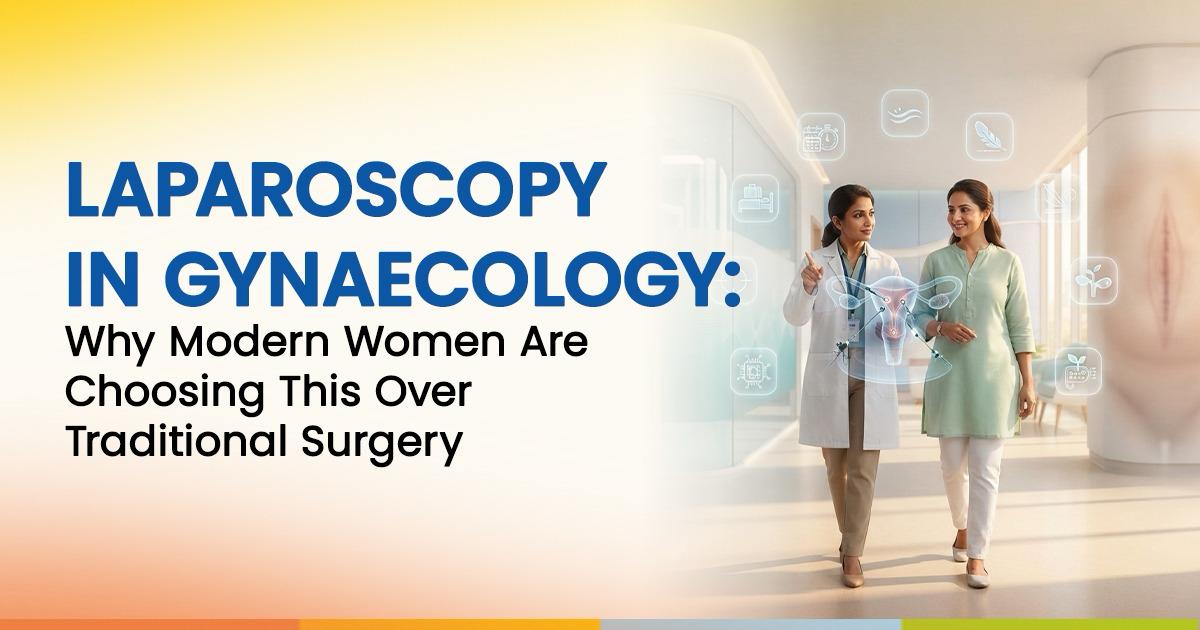
Laparoscopy in Gynecology: Why Modern Women Are Choosing This Over Traditional Surgery

When a woman is advised surgery for a gynecological condition, the first reaction is often hesitation. Questions about pain, scars, recovery time, and naturally, laparoscopy charges start coming to mind. Surgery, for many, still feels like something overwhelming and disruptive.

But medicine has evolved—and so has surgery.

Today, laparoscopy has transformed how gynecological procedures are performed. It has shifted surgery from something to fear into something far more precise, controlled, and manageable. Yet, despite its advantages, many women still don’t fully understand what it is and why it’s becoming the preferred choice.

Let’s break it down in a way that gives you both clarity and confidence.

What Is Laparoscopy?

Laparoscopy is a minimally invasive surgical technique used to examine and treat conditions inside the abdomen and pelvic area. Instead of making large cuts, doctors make small incisions—usually around the navel—through which a thin tube with a camera (laparoscope) is inserted.

This camera sends real-time images to a screen, allowing the surgeon to see internal organs clearly and perform procedures with high precision using specialized instruments.

What makes laparoscopy different is not just the size of the incision—but the approach itself. It minimizes physical trauma while maximizing accuracy. This is why it is often referred to as “keyhole surgery.”

At advanced centers like Oorkid Hospital and IVF Centre, laparoscopy is widely used as a modern solution for many gynecological conditions due to its effectiveness and patient-friendly nature.

Where Is Laparoscopy Commonly Used in Gynecology?

Laparoscopy is not limited to one specific condition—it is a versatile technique used in diagnosing and treating a wide range of gynecological issues.

Some common uses include:

  • Removal of ovarian cysts
  • Treatment of endometriosis
  • Fibroid removal (myomectomy)
  • Management of ectopic pregnancy
  • Diagnosis of unexplained pelvic pain
  • Fertility-related procedures

One of the biggest advantages is that it can often serve both diagnostic and treatment purposes in a single procedure. This reduces the need for multiple interventions and helps patients avoid unnecessary delays.

Why Laparoscopy Is Becoming the Preferred Choice

The growing preference for laparoscopy is not just about medical advancement—it’s about better patient experience.

Compared to traditional open surgery, laparoscopy offers:

  • Smaller incisions and minimal scarring
  • Less post-operative pain
  • Reduced blood loss
  • Lower risk of infection
  • Faster recovery and return to normal life

For many women balancing work, family, and personal responsibilities, this faster recovery is a major advantage.

Precision That Protects Your Health

One of the most significant benefits of laparoscopy is precision. The magnified visuals allow surgeons to see details that may not be as clearly visible in open surgery.

This is particularly important in gynecology, where delicate organs and reproductive structures are involved. Greater precision means:

  • Better diagnosis
  • Targeted treatment
  • Preservation of healthy tissue

For women concerned about fertility or long-term reproductive health, this level of care is extremely valuable.

Is Laparoscopy Safe?

Safety is always a top concern when it comes to surgery. The good news is that laparoscopy is considered very safe when performed by experienced professionals.

Because the incisions are smaller, the risks associated with infection, blood loss, and complications are significantly reduced. Patients also tend to recover faster, which further lowers the chances of post-operative issues.

However, the safety of the procedure depends greatly on the expertise of the doctor and the quality of the hospital. This is why choosing the right place matters as much as choosing the procedure itself.

Recovery: What You Can Expect?

Recovery after laparoscopy is usually much smoother compared to traditional surgery. Most patients can go home within 24–48 hours, and in some cases, even on the same day.

During recovery, you may experience:

  • Mild discomfort for a few days
  • Quick return to light activities
  • Gradual resumption of normal routine

Within a short period, most women are able to return to their daily lives without major restrictions.

This shorter recovery time not only improves physical comfort but also reduces emotional stress associated with prolonged healing.

The Role of Technology and Expertise

Laparoscopy is a technique that relies heavily on both advanced technology and the skill of the surgeon. Modern equipment allows for better visualization and precision, while an experienced doctor ensures safe and effective execution.

Hospitals that invest in both—like Oorkid Hospital and IVF Centre—are able to offer better outcomes and a more comfortable experience for patients.

This combination of technology and expertise is what defines high-quality care.

Beyond the Surgery: The Importance of Patient Experience

Surgery is not just about the procedure—it’s about the entire journey. From the first consultation to post-operative care, every step matters.

Clear communication, proper guidance, and emotional support can significantly reduce anxiety and improve recovery. Patients who feel informed and supported are more confident and tend to heal better.

A hospital that focuses on patient experience ensures that you are not just treated, but also understood.

The Bigger Shift: A Move Toward Patient-Centered Care

Laparoscopy is part of a larger transformation in healthcare. The focus is shifting from invasive treatments to approaches that are less disruptive, more efficient, and centered around patient comfort.

This change reflects a deeper understanding of what patients need—not just medical solutions, but also ease, clarity, and confidence.

For women, this means having access to treatments that align with both their health and their lifestyle.

Final Thoughts

Searching for laparoscopy charges is often the first step in a journey that may feel uncertain. But when you look beyond the numbers, laparoscopy stands out as a modern solution that combines safety, precision, and faster recovery.

And the experience becomes even more reassuring when you are in the right hands. Choosing a place like Oorkid Hospital and IVF Centre means you’re not just opting for advanced surgical techniques, but also for a level of care that supports you at every stage—from diagnosis to recovery.

Because in the end, it’s not just about undergoing surgery—it’s about how smoothly, safely, and confidently you move forward afterward.

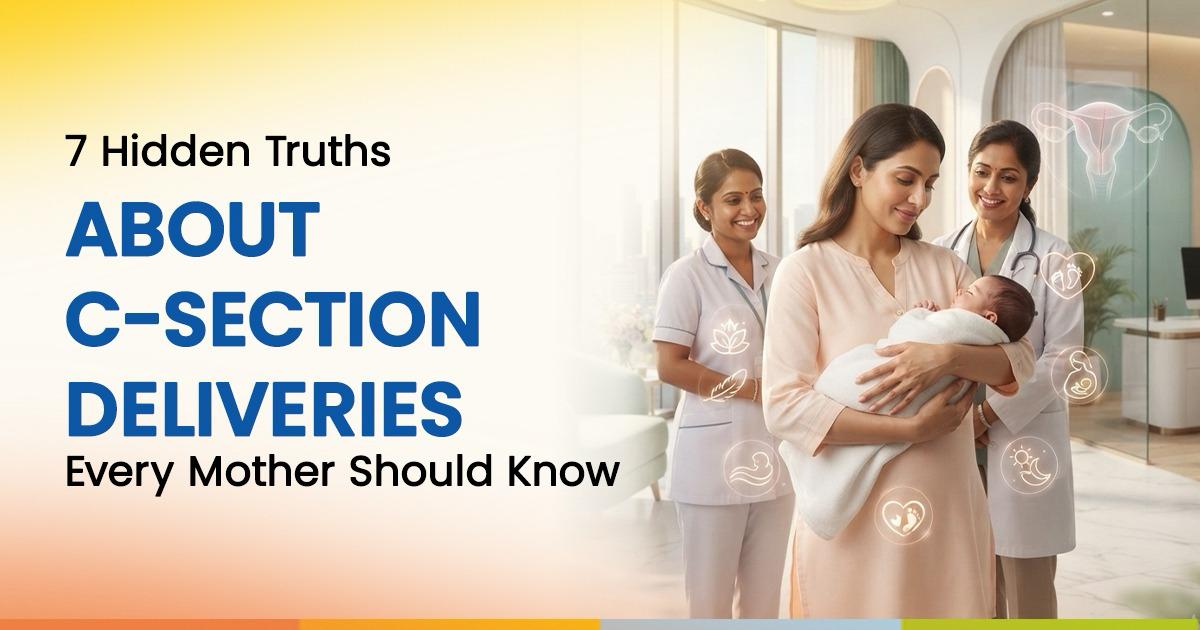
7 Hidden Truths About C-Section Deliveries Every Mother Should Know

When a mother or her family searches for the best hospital for c section delivery near you, it usually comes from a place of urgency, confusion, or even fear. Childbirth is one of the most emotional and life-changing experiences in a woman’s life, and the moment the word “surgery” enters the conversation, it can feel overwhelming. But here’s the truth—C-section (Cesarean delivery) is not something to panic about. It is one of the most carefully planned and life-saving procedures in modern medicine.

What many people don’t fully realize is that a C-section is not just a delivery method—it’s a deeply thought-out medical decision based on timing, safety, and the well-being of both mother and baby. Understanding this can completely change how you perceive it.

1. A C-Section Is Often About Safety, Not Convenience

There’s a common belief that C-sections are chosen for comfort or convenience. In reality, doctors recommend them only when a normal delivery could pose serious risks. Conditions like fetal distress, where the baby’s heartbeat becomes irregular, or placenta previa, where the placenta blocks the baby’s exit, make vaginal delivery unsafe.

In such situations, a C-section becomes the safest option—not a choice, but a necessity. At places like Oorkid Hospital and IVF Centre, decisions are always based on what’s medically best for both mother and child, not what’s easiest or fastest.

2. Timing Can Change Everything

One of the most critical aspects of a C-section is timing. In planned cases, doctors usually aim for around 39 weeks so the baby is fully developed. But childbirth doesn’t always follow a script. Sometimes, complications arise suddenly—labor may stop progressing, the baby might not be getting enough oxygen, or unexpected risks may develop.In those moments, quick decision-making becomes crucial. This is why searching for the best hospital for c section delivery near you is not just about convenience—it’s about choosing a place that is prepared for emergencies. A hospital with experienced doctors, advanced operation theatres, and a responsive neonatal team can make all the difference in those critical minutes.

3. It’s a Major Surgery—Not the “Easy Way Out”

Another myth that often circulates is that C-sections are easier than normal delivery. While anesthesia ensures that the mother does not feel pain during the surgery, the recovery tells a different story.

A C-section involves a surgical incision through the abdomen and uterus, which means the body needs time and care to heal. Unlike vaginal delivery, where mobility returns relatively quickly, recovery after a C-section can take weeks. There may be discomfort, limited movement, and a need for assistance in the initial days.

Understanding this helps mothers prepare mentally and physically, rather than being caught off guard.

4. Recovery Is Not Just Physical—It’s Emotional Too

The healing process after a C-section goes beyond the body. Yes, there is physical recovery—managing stitches, regaining strength, and slowly returning to daily activities. But there is also an emotional side that often goes unnoticed.

Hormonal changes, combined with the stress of surgery and the responsibility of a newborn, can make mothers feel overwhelmed. It’s completely normal to feel a mix of exhaustion, vulnerability, and even self-doubt.

This is where proper postnatal care becomes essential. Hospitals like Oorkid Hospital and IVF Centre focus not just on medical recovery but also on emotional support, guiding mothers through breastfeeding, healing, and adjusting to this new phase of life.

5. Every C-Section Has a Strong Medical Reason

It’s important to understand that no ethical doctor recommends a C-section without a valid reason. Each case is carefully evaluated based on multiple factors—mother’s health, baby’s position, size of the baby, previous medical history, and any complications during pregnancy.

For example:

  • A breech baby (feet-first position) often requires a C-section
  • Twin or multiple pregnancies may need surgical delivery
  • High-risk conditions like hypertension or diabetes can make normal delivery risky

These decisions are never random. They are made to prevent complications and ensure safety. Trusting your medical team plays a huge role in navigating this journey with confidence.

6. It Can Impact Future Pregnancies

Many women are not aware that a C-section can influence future pregnancies. While some women can opt for a normal delivery after a previous C-section (VBAC), it depends on several factors such as healing, the type of incision, and overall health.

In certain cases, doctors may recommend repeat C-sections to avoid complications like uterine rupture. This doesn’t mean limitations—it simply means that future pregnancies will require more careful monitoring and expert guidance.Choosing the best hospital for c section delivery near you ensures that not just your current delivery, but your long-term reproductive health is also in safe hands.

7. The Hospital You Choose Shapes Your Entire Experience

At the end of the day, one of the biggest factors that defines your C-section experience is the hospital you choose. A hospital is not just a place where delivery happens—it’s where decisions are made, care is provided, and recovery begins.

From skilled gynecologists and well-equipped operation theatres to NICU facilities and trained nursing staff, every element contributes to your safety and comfort. A well-prepared hospital ensures:

  • Immediate response during emergencies
  • Safe and hygienic surgical procedures
  • Continuous monitoring of both mother and baby
  • Proper guidance during recovery

Institutions like Oorkid Hospital and IVF Centre are designed to offer this complete ecosystem of care, making the entire journey more reassuring.

Understanding the Emotional Reality

There’s often an unspoken emotional expectation around childbirth—that a “normal delivery” is somehow better. When things don’t go as planned, some mothers may feel disappointed or even guilty.

But the truth is, the method of delivery does not define your strength or your journey into motherhood. A C-section is not a failure—it is a decision made to protect life.

Every birth story is different. What truly matters is that both mother and baby are safe and healthy.

Preparing Yourself Makes a Difference

If there’s a possibility of a C-section, preparing yourself in advance can make the experience much smoother.

  • Learn about the procedure so you know what to expect
  • Have open conversations with your doctor
  • Arrange support at home for the recovery phase
  • Focus on nutrition, hydration, and rest before delivery

When you’re informed, fear reduces. And when fear reduces, confidence naturally takes its place.

Final Thoughts

Searching for the best hospital for c section delivery is not just about finding a location—it’s about choosing where one of the most important moments of your life will unfold.

A C-section is not something to fear, but something to understand. It is a powerful medical intervention designed to ensure safety when complications arise. The more you know about it, the more confident and prepared you feel.

And somewhere in that decision-making process, the role of the hospital becomes deeply personal. Choosing a place like Oorkid Hospital and IVF Centre doesn’t just mean opting for medical expertise—it means choosing a team that understands both the science and the emotions behind childbirth. When care feels both professional and human at the same time, the entire experience shifts from being stressful to reassuring.

Because in the end, it’s not about how the baby is delivered—it’s about knowing that you were supported, cared for, and guided every step of the way.

The Real Truth About Egg Freezing: Is It the Right Choice for You?

In today’s evolving world, the timeline of life is no longer fixed. Women are choosing to prioritize education, careers, financial stability, and personal growth before stepping into motherhood. This shift has brought a significant rise in one particular search—egg freezing hospital near you. But while the concept sounds empowering and straightforward, the reality behind egg freezing is far more layered than most people realize.

Egg freezing, or oocyte cryopreservation, is often presented as a way to “pause your biological clock.” While that idea is appealing, it’s important to understand what the process truly involves, what it offers, and where its limitations lie. Because when it comes to fertility, awareness is everything—and clarity matters more than convenience.

Understanding Egg Freezing Beyond the Basics

At its core, egg freezing is a medical process where a woman’s eggs are collected, frozen, and stored for future use. Later in life, when she is ready to conceive, these eggs can be thawed, fertilized with sperm, and implanted through IVF (In Vitro Fertilization).

But this is not just about storing eggs—it’s a carefully structured medical cycle that involves hormonal preparation, continuous monitoring, and precise timing. At institutions like Oorkid Hospital and IVF Centre, each step is handled with attention to detail because even small variations can impact the quality of the eggs and, ultimately, future outcomes.

One important truth that often gets overlooked is this—egg freezing improves your chances, but it does not guarantee pregnancy. Understanding this early helps you make grounded and realistic decisions.

Why Egg Freezing Is Becoming So Common?

The increasing interest in egg freezing is not just a passing trend—it reflects a shift in how women are approaching life and motherhood. Today, decisions are more intentional and less rushed.

Some common reasons include:

  • Focusing on career growth or financial stability
  • Not having found the right partner yet
  • Undergoing medical treatments like chemotherapy that may affect fertility
  • Wanting the flexibility to plan motherhood on their own timeline

Egg freezing gives women a sense of control, but it’s important to remember that it’s not about delaying life—it’s about planning it more consciously.

The Most Important Factor: Age

If there is one factor that significantly influences the success of egg freezing, it is age. Women are born with a limited number of eggs, and both their quantity and quality decline over time—especially after 30.

Freezing eggs at a younger age, typically in the late 20s or early 30s, increases the chances of success later. Waiting until the late 30s or beyond may reduce the effectiveness of the process, even if everything else is done perfectly.This is why consulting a specialist early at a trusted egg freezing hospital near me can make a meaningful difference. It’s not about rushing into a decision—it’s about making it at the right time.

What the Process Actually Looks Like?

Egg freezing is not a one-day procedure. It unfolds over a few weeks and requires both physical and emotional readiness.

1. Hormonal Stimulation
The journey begins with hormone injections that encourage the ovaries to produce multiple eggs instead of the usual one. This phase typically lasts around 10–12 days.

2. Monitoring and Tracking
Doctors closely monitor progress through ultrasounds and blood tests. This ensures that the eggs are developing properly and helps determine the ideal time for retrieval.

3. Egg Retrieval
Once the eggs are ready, a minor surgical procedure is performed under sedation. A thin needle is used to collect the eggs from the ovaries. It’s a short procedure, and most women return home the same day.

4. Freezing and Storage
The eggs are then frozen using advanced techniques like vitrification, which preserves their quality by preventing ice crystal formation. These eggs are stored securely for future use.

Each step requires expertise and precision, which is why the choice of hospital matters so much.

The Myth of “Guaranteed Motherhood”

One of the biggest misconceptions about egg freezing is that it guarantees a successful pregnancy later. While it certainly improves the chances, it does not eliminate uncertainty.

Success depends on several factors:

  • The age at which the eggs were frozen
  • The number and quality of eggs retrieved
  • The woman’s health at the time of using those eggs
  • The effectiveness of the IVF process

In simple terms, egg freezing creates an opportunity—but not a promise. Being aware of this allows you to approach the process with clarity rather than unrealistic expectations.

The Emotional Side of the Journey

Egg freezing is not just a medical procedure—it’s an emotional decision. For some women, it brings a sense of relief and empowerment. For others, it can feel overwhelming, especially when thinking about future uncertainties.

Hormonal changes during the process may also cause mood swings or temporary discomfort. And beyond the physical effects, there’s the emotional weight of making decisions about something as personal as fertility.

This is why emotional support and counseling are just as important as the medical process itself. A good healthcare setup ensures that you feel supported—not just treated.

Financial Planning Matters Too

Another important aspect that often gets overlooked is cost. Egg freezing involves multiple components—consultations, medications, the procedure itself, and ongoing storage charges.

While many women see it as an investment in their future, it’s essential to understand the complete cost structure beforehand. Transparency in pricing and guidance helps you plan better and avoid unexpected stress.Choosing a reliable egg freezing hospital near you ensures that you are fully informed—both medically and financially—before taking the next step.

Who Should Consider Egg Freezing?

Egg freezing is not necessary for everyone, but it can be a valuable option in certain situations:

  • Women who want to delay pregnancy for personal or professional reasons
  • Women who wish to postpone marriage or motherhood journey deu to personal circumstances or medical reasons
  • Those undergoing treatments that may impact fertility
  • Women with a family history of early menopause
  • Anyone who wants to reduce the pressure of biological timelines

The key is not to assume—it’s to consult. A fertility specialist can help you understand whether it aligns with your personal goals and medical condition.

Why the Right Hospital Makes All the Difference?

The success of egg freezing is closely tied to the quality of care, technology, and expertise available. When searching for an egg freezing hospital near you, it’s important to look beyond just location.

A good hospital offers:

  • Experienced fertility specialists
  • Advanced laboratory and freezing technology
  • Personalized treatment plans
  • Honest and clear communication

Facilities like Oorkid Hospital and IVF Centre focus on delivering this comprehensive care, ensuring that every patient feels guided, informed, and supported throughout the process.

The Bigger Perspective: Freedom with Awareness

Egg freezing is often seen as a symbol of independence—and it truly is. It gives women the ability to make choices about their future without being rushed by biological timelines.

But with that freedom comes responsibility. It’s important to understand that while egg freezing offers flexibility, it doesn’t remove complexity. The goal is not just to delay decisions, but to make them wisely.

Final Thoughts

Searching for an egg freezing hospital is not just about finding a clinic—it’s the beginning of a deeply personal decision. Egg freezing offers hope, flexibility, and the ability to plan your future in a way that aligns with your life.

But it’s not a shortcut, and it’s not a guarantee. It’s a thoughtful step that requires awareness, timing, and the right guidance. And often, that guidance makes all the difference—especially when it comes from a place that understands both the science and the emotions behind fertility.

In that sense, choosing a trusted setup like Oorkid Hospital and IVF Centre can quietly shape your entire experience—not just through advanced medical care, but through the kind of support that makes you feel understood at every stage. Because ultimately, egg freezing is not just about preserving fertility—it’s about preserving your ability to choose your future, with confidence and clarity.

Understanding Endometrial Cancer: Symptoms, Causes, Diagnosis, and Prevention

What is Endometrial Cancer?

Endometrial cancer is a type of cancer that starts in the lining of the uterus. This lining is called the endometrium. The uterus is a part of the female reproductive system. It is where a baby grows during pregnancy. Endometrial cancer is also known as uterine cancer. It is one of the most common gynecologic cancers, especially in women after menopause. According to the CDC, endometrial cancer affects thousands of women each year in the United States. Early detection can help improve outcomes. Therefore, knowing the signs and risk factors is important for women’s health.

Common Symptoms of Endometrial Cancer

Most women notice symptoms early. However, some signs may be mild at first. If you notice any of the following, talk to your doctor:Vaginal bleeding after menopauseBleeding between periodsUnusual vaginal dischargePain in the lower belly or pelvisPain during sexUnexplained weight loss

Sometimes, these symptoms can be caused by other health problems. But, it is always best to check with a healthcare provider. Early diagnosis can make treatment easier.

Causes and Risk Factors

Doctors do not know the exact cause of endometrial cancer. However, certain factors can raise your risk. Understanding these can help you stay aware:Age: Most cases happen in women over 50.Obesity: Extra body fat can affect hormone levels.Hormone changes: High levels of estrogen can increase risk.Family history: Having close relatives with uterine or colon cancer may raise your risk.Diabetes: Women with diabetes have a higher risk.Never being pregnant: Women who have never had children may be at higher risk.Use of certain medicines: Some hormone therapies can increase risk.

Even though these factors can increase risk, not everyone with them will get endometrial cancer. Likewise, some women with no risk factors may still develop it.

How Endometrial Cancer is Diagnosed

Doctors use several steps to diagnose endometrial cancer. First, they ask about your symptoms and medical history. Next, they may do a pelvic exam. If needed, your doctor may suggest tests such as:Ultrasound: This test uses sound waves to look at the uterus.Endometrial biopsy: A small sample of the uterine lining is taken and checked for cancer cells.Dilation and curettage (D&C): This is a minor procedure to collect more tissue if needed.Imaging tests: CT scans or MRIs may be used to see if cancer has spread.

Early diagnosis helps doctors find the best treatment plan. If you have symptoms, do not wait to seek help.

Treatment Options

Treatment for endometrial cancer depends on the stage and your overall health. Your doctor will explain the best options for you. Common treatments include:Surgery: Removing the uterus (hysterectomy) is often the main treatment.Radiation therapy: High-energy rays are used to kill cancer cells.Hormone therapy: Medicines can block hormones that help cancer grow.Chemotherapy: Drugs are used to destroy cancer cells, especially if cancer has spread.

Sometimes, doctors use more than one treatment. Your care team will guide you through each step. Support from family and friends can also help during treatment.

Prevention and Lifestyle Tips

While you cannot prevent all cases of endometrial cancer, some steps may lower your risk. Consider these tips for better women’s health:Maintain a healthy weight by eating balanced meals and staying active.Manage health conditions like diabetes with your doctor’s help.Talk to your doctor about hormone therapy risks before starting treatment.See your gynecologist for regular check-ups, especially after menopause.Report any unusual bleeding or symptoms right away.

Making healthy choices can support your overall well-being. Early action is key for prevention and better outcomes.

Consult a gynecologist at Oorkid Hospital and IVF Centre for personalized advice on endometrial cancer.

Understanding Endometrial Cancer: Symptoms, Causes, Diagnosis, and Prevention

What is Endometrial Cancer?

Endometrial cancer is a type of cancer that starts in the lining of the uterus. This lining is called the endometrium. Most cases of endometrial cancer happen after menopause. However, it can also affect younger women. Early detection is important because treatment works best in the early stages. According to the CDC, endometrial cancer is the most common cancer of the female reproductive organs. Knowing the basics can help you spot early signs of endometrial cancer and seek help quickly.

Common Symptoms of Endometrial Cancer

Recognizing symptoms early can make a big difference. While some women may not notice any signs at first, many do experience changes. Watch for these common symptoms:Unusual vaginal bleeding, especially after menopauseBleeding between periodsWatery or bloody vaginal dischargePain in the lower belly or pelvisPain during sex

Sometimes, these symptoms can be caused by other conditions. Still, it is important to talk to a doctor if you notice any of them. Early signs of endometrial cancer should never be ignored.

Causes and Risk Factors

Doctors do not know the exact cause of endometrial cancer. However, certain factors can raise your risk. Understanding these can help you make healthy choices. Here are some common risk factors:Age over 50ObesityNever having been pregnantEarly start of periods or late menopauseTaking estrogen without progesteroneFamily history of endometrial or colon cancerDiabetes

For example, being overweight increases estrogen levels, which can affect the endometrium. In addition, some inherited conditions, like Lynch syndrome, can also raise your risk.

How Endometrial Cancer is Diagnosed

Diagnosing uterine cancer starts with a visit to your doctor. First, your doctor will ask about your symptoms and medical history. Next, they may do a pelvic exam. If needed, further tests can help confirm the diagnosis. Common tests include:Transvaginal ultrasound to look at the uterusEndometrial biopsy, where a small tissue sample is takenDilation and curettage (D&C) if more tissue is neededImaging tests like CT or MRI scans to check if cancer has spread

Early diagnosis is key. Therefore, if you have symptoms, do not wait to see a healthcare provider.

Treatment Options

Treatment for endometrial cancer depends on the stage and your overall health. Most women need surgery to remove the uterus, called a hysterectomy. Sometimes, the ovaries and fallopian tubes are also removed. Other treatments may include:Radiation therapy to kill cancer cellsHormone therapy to block cancer growthChemotherapy to destroy cancer cells

Your doctor will explain the best plan for you. In many cases, early-stage endometrial cancer can be cured with surgery alone.

Prevention Tips and Lifestyle Guidance

While you cannot prevent all cases, you can lower your risk. Here are some tips for endometrial cancer prevention:Maintain a healthy weightExercise regularlyEat a balanced diet rich in fruits and vegetablesManage diabetes and other health conditionsTalk to your doctor about hormone therapy risksKnow your family history and discuss it with your doctor

Additionally, regular check-ups can help catch problems early. Making healthy choices every day supports your overall well-being.

When to See a Doctor

It is important to listen to your body. If you notice unusual bleeding, pain, or any other symptoms listed above, see a doctor right away. Early action can lead to better outcomes. Even if you think your symptoms are minor, it is always better to get checked. Your healthcare provider can help you understand your risks and guide you on next steps.

For personalized advice on endometrial cancer, consult a healthcare specialist at Oorkid Hospital and IVF Centre. Early care can make all the difference.

Preventing Preterm Birth: What You Need to Know?

What is Preterm Birth?

Preterm birth happens when a baby is born before 37 weeks of pregnancy. Usually, a full-term pregnancy lasts about 40 weeks. Babies born too early may face health problems. Because of this, preventing preterm birth is very important for both mother and baby.

Why is Preventing Preterm Birth Important?

Preterm birth can lead to serious health issues for newborns. For example, babies may have trouble breathing, eating, or fighting infections. In addition, early birth can affect a child’s growth and learning later in life. Therefore, taking steps to prevent preterm birth helps give babies the best start.

Main Causes and Risk Factors

Many things can increase the risk of preterm labor. Knowing these risk factors for preterm labor can help you take action. Some common causes and risks include:Previous preterm birthCarrying twins or moreShort time between pregnanciesInfections during pregnancyHigh blood pressure or diabetesSmoking, alcohol, or drug useBeing underweight or overweightHigh stress levels

However, sometimes preterm birth can happen without a clear reason.

Recognizing Warning Signs

It is important to know the warning signs of preterm labor. Early action can help prevent premature birth. Watch for these signs:Regular contractions before 37 weeksLow, dull back painPelvic pressure or crampsChange in vaginal dischargeLeaking fluid or bleeding

If you notice any of these, contact your doctor right away.

Evidence-Based Prevention Strategies

Doctors follow preterm birth prevention guidelines from trusted sources like the CDC and WHO. Here are some proven ways to lower your risk:Attend all prenatal checkupsTreat infections quicklyManage chronic health problemsTake prenatal vitamins, especially folic acidGet a healthy amount of restFollow your doctor’s advice on activity and work

Sometimes, doctors may suggest medicines or special treatments if you are at high risk.

Lifestyle Tips for Expectant Mothers

Healthy habits can make a big difference. Here are some tips for a healthy pregnancy and how to prevent premature birth:Eat a balanced diet with fruits, vegetables, and whole grainsDrink plenty of waterAvoid smoking, alcohol, and drugsReduce stress with gentle exercise or relaxationGet enough sleep every nightAsk for help if you feel overwhelmed

Additionally, talk to your healthcare provider about any concerns.

When to Seek Medical Help

Sometimes, problems can happen even with the best care. If you notice warning signs or feel something is wrong, call your doctor right away. Early help can often prevent preterm birth. In some areas, local clinics or hospitals offer special support for pregnant women. Ask your provider about resources in your city or region.

Frequently Asked Questions

Can preterm birth be fully prevented?Not always, but many steps can lower your risk.What are the best ways to prevent preterm labor?Attend prenatal visits, follow your doctor’s advice, and keep healthy habits.Are there medicines to help prevent preterm birth?Yes, in some cases, doctors may give medicines or recommend treatments.Does stress cause preterm birth?High stress can increase risk, so managing stress is important.

Consult your healthcare provider at Oorkid Hospital and IVF Centre for personalized advice on preventing preterm birth.

Intrauterine Growth Restriction: Causes, Symptoms, Diagnosis, and Management

What is Intrauterine Growth Restriction (IUGR)?

Intrauterine Growth Restriction (IUGR) means a baby grows slower than expected during pregnancy. Because of this, the baby may be smaller than most babies of the same age. Sometimes, doctors also call it fetal growth restriction. Early detection is important, as IUGR in pregnancy can affect the baby’s health. With the right care, many babies with IUGR do well.

Causes of Intrauterine Growth Restriction

Many factors can lead to IUGR. Often, it happens when the baby does not get enough oxygen or nutrients. However, there are several reasons why this may occur:Problems with the placenta, which supplies food and oxygen to the babyHigh blood pressure or preeclampsia in the motherInfections during pregnancy, such as rubella or cytomegalovirusSmoking, alcohol, or drug use during pregnancyMultiple pregnancies, like twins or tripletsChronic health conditions in the mother, such as diabetes or kidney diseaseGenetic or birth defects in the baby

Because these causes vary, your doctor will look for the exact reason in each case.

Common Symptoms and Warning Signs

Usually, IUGR does not cause pain or clear symptoms for the mother. Still, there are some warning signs to watch for:Baby measures smaller than expected during a prenatal visitLess movement from the baby than usualLow weight gain in the mother

However, these signs may not always mean IUGR. Therefore, regular check-ups are important.

Diagnosis: How is IUGR Detected?

Doctors use several methods to check for intrauterine growth restriction. Early diagnosis helps improve outcomes. Here are common ways IUGR is detected:Measuring the mother’s belly to check the baby’s growthUltrasound scans to measure the baby’s size and weightChecking the amount of amniotic fluid around the babyDoppler tests to see how blood flows to the baby

Because these tests are safe, doctors often repeat them to watch the baby’s growth over time.

Treatment and Management Options

Managing intrauterine growth restriction depends on its cause and how far along the pregnancy is. Early care can help protect the baby. Here are some common management steps:Frequent doctor visits to monitor the baby’s growthMore ultrasounds and tests to check the baby’s healthRest and a healthy diet for the motherStopping smoking, alcohol, or drug useTreating any infections or health problems in the motherSometimes, early delivery if the baby’s health is at risk

Because every pregnancy is different, your doctor will choose the best plan for you. For more details, the CDC and WHO offer helpful information on IUGR in pregnancy.

Prevention and Healthy Pregnancy Tips

While not all cases of IUGR can be prevented, some steps may lower the risk. Here are some tips for a healthy pregnancy:Attend all prenatal visits and follow your doctor’s adviceEat a balanced diet rich in fruits, vegetables, and whole grainsAvoid smoking, alcohol, and drugsManage health conditions like diabetes or high blood pressureGet recommended vaccines to prevent infectionsRest and reduce stress when possible

Because early care matters, always talk to your doctor about any concerns.

When to Seek Medical Help

Sometimes, problems can develop quickly during pregnancy. Therefore, you should call your doctor if you notice:Less movement from your baby than usualSudden swelling, headaches, or vision changesAny bleeding or severe pain

Early action can help keep you and your baby safe.

In summary, intrauterine growth restriction (IUGR) is a serious but manageable condition. With regular care and healthy habits, many babies grow well. Consult your obstetrician or gynaecologist at Oorkid Hospital and IVF Centre for personalised advice on IUGR and optimal prenatal care.

Understanding PCOS: Symptoms, Diagnosis, and Effective Management


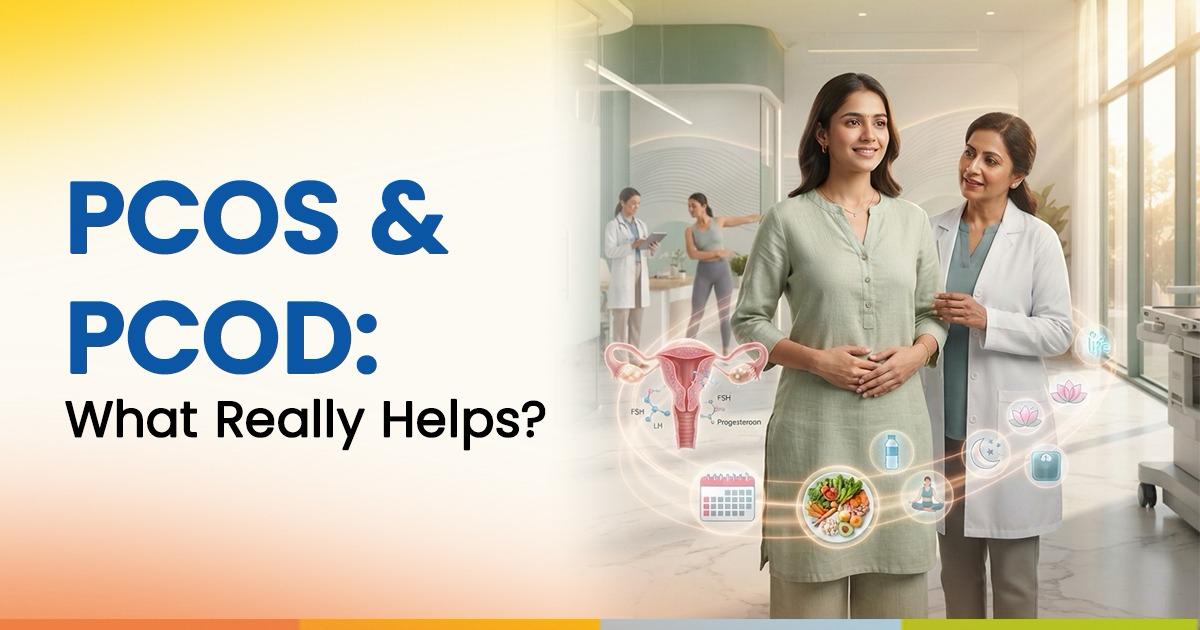
What is PCOS?

Polycystic Ovary Syndrome, or PCOS, is a common health problem. It affects women of childbearing age. PCOS awareness is important because many women do not know they have it. PCOS happens when hormones in the body are out of balance. This can cause problems with periods, skin, and even fertility. According to the CDC, PCOS affects about 1 in 10 women. Early understanding helps with better care and management.

Common Symptoms of PCOS

Many women notice signs of PCOS in their teens or early twenties. However, symptoms can start at any age after puberty. Not every woman has the same symptoms. Still, some signs are more common than others. For example, you may notice:Irregular periods or missed periodsExtra hair growth on the face, chest, or backAcne or oily skinThinning hair or hair loss on the scalpWeight gain or trouble losing weightDark patches of skin, often on the neck or underarms

Because these symptoms can be mild, many women do not realize they have PCOS. Yet, knowing the signs of PCOS can help you seek help sooner.

Causes and Risk Factors

Doctors do not know the exact cause of PCOS. However, several factors may play a role. For instance, genetics can increase your risk. If your mother or sister has PCOS, you may be more likely to have it too. In addition, high levels of insulin in the body can lead to PCOS. Insulin helps control blood sugar. When the body does not use insulin well, it makes more. This can cause hormone changes and lead to PCOS. Obesity can also raise your risk. But even women at a healthy weight can get PCOS.

How PCOS is Diagnosed

Doctors use several steps for PCOS diagnosis. First, they ask about your symptoms and medical history. Next, they may do a physical exam. Blood tests help check hormone levels. An ultrasound can show if there are small cysts on the ovaries. However, not all women with PCOS have cysts. Because other problems can cause similar symptoms, your doctor will rule out other conditions. Early PCOS diagnosis can help you start treatment sooner.

Treatment Options and Lifestyle Management

There is no cure for PCOS, but many PCOS treatment options can help manage symptoms. Your doctor may suggest:Birth control pills to help with periods and hormone balanceMedicines to lower insulin or help with acne and hair growthFertility treatments if you want to get pregnant

Besides medicine, lifestyle changes are important. For example, eating a healthy diet and staying active can help control weight and lower insulin. Even a small weight loss can improve symptoms. Living with PCOS can be easier with support and good habits.

Prevention and Self-Care Tips

While you cannot always prevent PCOS, some steps may help lower your risk or manage symptoms. Try these self-care tips: Eat balanced meals with fruits, vegetables, and whole grains Exercise regularly, even simple walks help Keep a healthy weight, if possible, manage stress with relaxation or hobbies See your doctor for regular check-ups

Because PCOS can affect many parts of your health, self-care is key. Small changes can make a big difference over time.

Importance of PCOS Awareness

PCOS awareness helps women get the care they need. Many women live with symptoms for years before getting help. By learning about PCOS, you can spot signs early and talk to your doctor. Early treatment can prevent problems like diabetes, heart disease, and infertility. Sharing what you know can also help friends and family. Together, we can support women living with PCOS.

If you think you may have PCOS or have questions, consult a healthcare specialist at Oorkid Hospital and IVF Centre for personalized advice and care.

The Importance of Breastfeeding: Benefits for Mother and Baby

Breastfeeding is the natural way to feed a baby using milk from the mother’s breast. The importance of breastfeeding cannot be overstated. It gives babies the best start in life and supports mothers’ health too. Many experts, including the World Health Organization (WHO) and the Centers for Disease Control and Prevention (CDC), recommend breastfeeding for at least the first six months. In this blog, we will explore why breastfeeding is important, its many benefits, and how to make it work for you and your baby.

What Is Breastfeeding?

Breastfeeding means feeding your baby with milk directly from your breast. This milk is made by your body and is specially designed for your baby’s needs. In fact, breast milk changes as your baby grows, giving the right balance of nutrients at every stage. Many mothers choose to breastfeed because it is natural, safe, and free. However, some may need help or support to get started.

Key Benefits for Babies

Breastfeeding offers many benefits for babies. Not only does it provide the perfect nutrition, but it also helps protect against illness. Here are some of the main advantages:Complete Nutrition: Breast milk contains all the nutrients your baby needs for healthy growth and brain development.Boosts Immunity: It has antibodies that help fight off infections and diseases.Supports Healthy Growth: Babies who breastfeed often have healthy weight gain and better digestion.Prevents Diseases: Breastfeeding lowers the risk of ear infections, diarrhea, asthma, and sudden infant death syndrome (SIDS).Reduces Allergies: Babies who breastfeed are less likely to develop allergies and eczema.

According to the CDC, breastfeeding can also lower the risk of childhood obesity and type 2 diabetes later in life.

Key Benefits for Mothers

Breastfeeding is not just good for babies. It also helps mothers in many ways. For example, it can improve both physical and emotional health. Here are some key benefits for mothers:Faster Recovery: Breastfeeding helps the uterus return to its normal size more quickly after birth.Reduces Bleeding: It lowers the risk of heavy bleeding after delivery.Burns Calories: Mothers may lose pregnancy weight faster because breastfeeding burns extra calories.Lowers Cancer Risk: Breastfeeding reduces the risk of breast and ovarian cancers.Emotional Bonding: It strengthens the bond between mother and baby, which can lower stress and improve mood.

Moreover, the WHO notes that breastfeeding may also lower the risk of type 2 diabetes and high blood pressure in mothers.

How to Practice Effective Breastfeeding

Getting started with breastfeeding can feel challenging. However, with the right tips, most mothers can succeed. Here are some practical breastfeeding tips for new mothers:Start breastfeeding within the first hour after birth if possible.Feed your baby on demand, whenever they show signs of hunger.Make sure your baby latches onto the breast well to avoid pain.Switch breasts during each feeding to keep milk supply balanced.Stay hydrated and eat a balanced diet to support milk production.Ask for help from a lactation consultant if you have trouble.

Remember, every mother and baby are different. So, finding what works best for you is important.

Common Myths and Facts

There are many myths about breastfeeding. Let’s look at some common ones and the facts behind them:Myth: Formula is just as good as breast milk.Fact: Breast milk has unique antibodies and nutrients that formula cannot match.Myth: Small breasts cannot produce enough milk.Fact: Breast size does not affect milk supply.Myth: Breastfeeding always hurts.Fact: Some discomfort is normal at first, but pain usually means the baby is not latching well.Myth: Mothers must eat a perfect diet to breastfeed.Fact: A healthy diet helps, but even mothers with simple diets can produce good milk.

For more information, the CDC and WHO websites offer evidence-based answers to common questions.

When to Seek Professional Help

Sometimes, mothers or babies may face challenges with breastfeeding. In these cases, it’s important to ask for help. You should consult a healthcare provider or lactation consultant if:Your baby is not gaining weight or seems hungry after feedings.You have severe pain, cracked nipples, or signs of infection.Your baby has trouble latching or sucking.You notice blood in your milk or your breasts feel hard and sore.You feel sad, anxious, or overwhelmed about breastfeeding.

Early support can make a big difference for both mother and baby.

Prevention and Long-Term Impact

Breastfeeding helps prevent many health problems for both mother and child. For babies, it lowers the risk of infections, allergies, and chronic diseases. For mothers, it reduces the risk of certain cancers and helps with recovery after birth. Over time, these benefits support lifelong health and well-being. Because of this, experts recommend exclusive breastfeeding for the first six months, then continued breastfeeding with other foods up to two years or longer.

In summary, the importance of breastfeeding is clear. It gives your baby the best start and supports your own health too. If you have questions or concerns, consult a healthcare professional for personalized breastfeeding advice.

Antenatal Care Myths vs. Facts: What Every Expectant Parent Should Know

Introduction: Why Antenatal Care Myths Matter

Antenatal care is the medical support given to pregnant women before birth. However, many antenatal care myths can confuse expectant parents. Because of this, it is important to know the truth about prenatal care. Separating facts from myths helps keep both mother and baby healthy. In this blog, we will explore common myths, share evidence-based facts, and offer tips to find reliable information.

Common Myths About Antenatal Care

Many myths about pregnancy and antenatal care still exist. Some may sound true, but they can be harmful. Let’s look at a few common myths:Myth 1: You only need to see a doctor if you feel unwell.Myth 2: Eating for two means doubling your food intake.Myth 3: Exercise is unsafe during pregnancy.Myth 4: All prenatal vitamins are the same.Myth 5: Morning sickness only happens in the morning.

Facts That Debunk Antenatal Care Myths

Now, let’s look at the facts that debunk these pregnancy myths. Knowing the truth about prenatal care can help you make better choices.Fact 1: Regular check-ups are vital, even if you feel fine. According to the WHO, early and regular visits help spot problems early.Fact 2: You do not need to eat twice as much. Instead, focus on healthy foods and balanced meals. The CDC suggests only a small increase in calories is needed.Fact 3: Exercise is safe for most pregnant women. In fact, gentle activity like walking or swimming can help. Always check with your doctor first.Fact 4: Not all prenatal vitamins are equal. Some may lack key nutrients like folic acid or iron. Choose vitamins recommended by your healthcare provider.Fact 5: Morning sickness can happen at any time of day. It is a common part of pregnancy, but not limited to mornings.

The Importance of Accurate Antenatal Care Information

Getting the right information about antenatal care is crucial. Misinformation can lead to poor choices or missed care. For example, believing myths may cause you to skip doctor visits or take unsafe supplements. Therefore, always check facts before making decisions. Trusted sources like the WHO and CDC provide up-to-date advice for expectant parents.

Tips for Finding Reliable Antenatal Care Information

It can be hard to know which sources to trust. However, there are ways to find reliable information:Look for advice from healthcare professionals, not just friends or social media.Check if the source is from a trusted group, like the CDC or WHO.Read information from hospitals or clinics with good reputations.Ask your doctor or nurse if you are unsure about something you read.

When to Consult a Healthcare Professional

Sometimes, you may feel unsure or worried during pregnancy. In these cases, it is best to talk to a healthcare provider. For example, if you have pain, bleeding, or feel unwell, seek help right away. Even if you just have questions about antenatal care myths and facts, your doctor can give you clear answers. Remember, no question is too small when it comes to your health.

Conclusion: Take Charge of Your Antenatal Care

In summary, knowing the truth about prenatal care helps you and your baby stay healthy. Do not let myths guide your choices. Instead, rely on facts and trusted sources. Consult a qualified healthcare provider for personalized antenatal care advice.