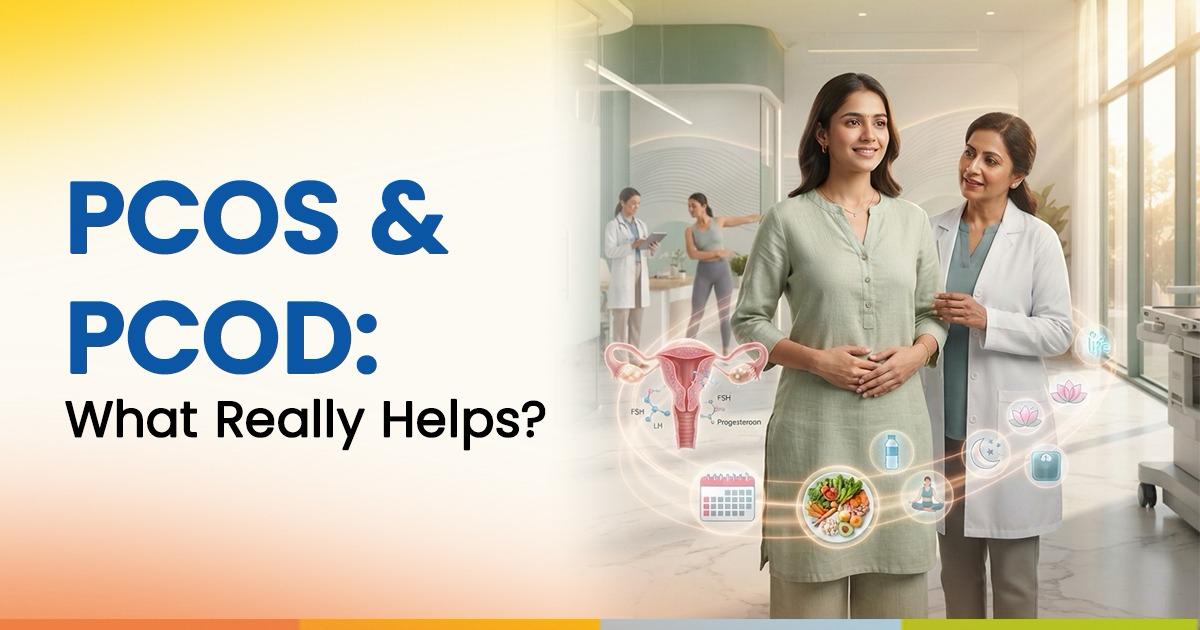
PCOS & PCOD: When Should You Actually Visit a Gynecologist and What Really Helps?
For many women, irregular periods, sudden weight gain, acne, or mood swings are often brushed off as “just hormones.” It’s easy to ignore these signs, especially when life is busy and everything else seems more urgent. But when these symptoms persist for months—or even years—they may be pointing toward conditions like PCOS (Polycystic Ovary Syndrome) or PCOD (Polycystic Ovarian Disease).
This is usually the stage when women begin searching for a gynecologist near you, often after trying to manage things on their own. The reality, however, is that PCOS and PCOD are not temporary imbalances. They are long-term hormonal conditions that require understanding, consistency, and the right medical guidance.
The good news? With the right approach, they are highly manageable.
Understanding PCOS & PCOD: What’s Really Happening Inside Your Body
PCOS and PCOD are hormonal disorders where the ovaries produce higher levels of androgens (male hormones). This imbalance interferes with the normal process of ovulation, which in turn affects menstrual cycles and overall reproductive health.
In simple terms, your body’s hormonal system goes slightly out of sync—and that imbalance starts showing up in different ways.
Common symptoms include:
- Irregular or missed periods
- Weight gain or difficulty losing weight
- Acne, oily skin, or pigmentation
- Excess facial or body hair
- Hair thinning or hair fall
- Mood fluctuations
Not every woman will experience all of these symptoms, which is why PCOS and PCOD often go unnoticed for a long time. Some women may only have irregular periods, while others may notice changes in their skin or weight first.
Understanding these early signs is the first step toward managing the condition effectively.
When Should You Visit a Gynecologist?
One of the most common questions is: When is the right time to consult a doctor?
The honest answer is—sooner than you think.
You should consider visiting a gynec near me if:
- Your menstrual cycle is consistently irregular
- You frequently skip periods
- You notice sudden hormonal changes like acne or hair growth
- You are experiencing unexplained weight changes
- Your symptoms are affecting your daily routine or confidence
Many women wait, hoping things will “settle on their own.” But PCOS and PCOD are conditions that benefit greatly from early intervention. The earlier you address them, the easier they are to manage.
Why Early Diagnosis Makes a Huge Difference
PCOS and PCOD are progressive in nature. Ignoring them doesn’t make them disappear—it often makes them more difficult to manage later.
If left unaddressed, they can lead to complications such as:
- Increased risk of insulin resistance and diabetes
- Hormonal imbalances
- Irregular ovulation
- Long-term metabolic issues
Early diagnosis helps in identifying the root cause and starting the right treatment plan before symptoms become severe.
At places like Oorkid Hospital and IVF Centre, diagnosis is done through a combination of medical history, blood tests, and ultrasound—ensuring that treatment is based on accurate understanding rather than assumptions.
It’s Not Just Hormones—Lifestyle Is a Key Factor
One of the most important aspects of managing PCOS and PCOD is lifestyle. Unlike many medical conditions, daily habits play a significant role in controlling symptoms.
Small, consistent changes can bring noticeable improvements:
- Maintaining a balanced diet with controlled sugar intake
- Engaging in regular physical activity
- Managing stress through relaxation techniques
- Ensuring proper sleep cycles
These changes may sound simple, but they have a powerful impact on hormonal balance. In many cases, lifestyle correction alone can significantly reduce symptoms.
Treatment Is Always Personalized
There is no universal treatment for PCOS or PCOD. Every woman’s body responds differently, and treatment plans are designed accordingly.
Depending on your condition, a gynecologist may suggest:
- Medications to regulate menstrual cycles
- Hormonal therapy
- Lifestyle modifications
- Long-term monitoring
Some women may need medical intervention, while others may manage effectively with lifestyle changes. This is why self-diagnosis or random treatments can be misleading.
Consulting a qualified expert ensures that your treatment is tailored to your specific needs.
The Emotional Side of PCOS & PCOD
While the physical symptoms are visible, the emotional impact of PCOS and PCOD is often overlooked.
Changes in appearance, irregular cycles, and ongoing health concerns can affect self-confidence and mental well-being. Many women feel frustrated when results don’t appear immediately, despite efforts.
It’s important to understand that managing PCOS is a journey—not a quick fix.
Having the right support system, both medically and emotionally, makes a significant difference. A good healthcare environment focuses not just on treatment, but also on reassurance and guidance.
Why Regular Monitoring Is Essential
Managing PCOS and PCOD is not a one-time solution—it requires ongoing attention. Regular check-ups help track progress and ensure that your body is responding well to the treatment plan.
Monitoring helps in:
- Keeping hormonal levels in balance
- Adjusting treatments when needed
- Preventing long-term complications
- Maintaining overall health
Hospitals like Oorkid Hospital and IVF Centre emphasize continuous care, ensuring that patients are supported at every stage rather than just during diagnosis.
Breaking the Myth: PCOS & PCOD Are Not the End
One of the biggest misconceptions is that PCOS and PCOD are permanent problems with no real solution. This belief often creates unnecessary fear.
In reality, these conditions are manageable with the right approach.
With consistent care, proper guidance, and a balanced lifestyle, many women are able to regulate their cycles, improve symptoms, and lead completely healthy lives.
The key lies in understanding your body rather than fighting against it.
Choosing the Right Gynecology Care
When searching for gynecologist near you, it’s important to look beyond convenience. The quality of care you receive plays a crucial role in how effectively your condition is managed.
You should look for:
- Experienced gynecologists
- Personalized treatment plans
- Clear communication and guidance
- Long-term support rather than quick fixes
A supportive healthcare setup ensures that you feel informed, comfortable, and confident throughout your journey.
The Bigger Perspective: Awareness Gives You Control
PCOS and PCOD are common, but they are often misunderstood. The lack of awareness leads to delayed diagnosis and unnecessary complications.
The more you understand your body, the more control you gain over your health.
Instead of reacting to symptoms, you start managing them proactively—and that shift makes all the difference.
Final Thoughts
Searching for a gynecologist near you is often the first step toward understanding what your body has been trying to communicate. And that step, though small, can lead to meaningful and long-term changes.
When you have the right guidance, managing PCOS and PCOD becomes less overwhelming and more structured. Choosing a trusted place like Oorkid Hospital and IVF Centre ensures that your journey is supported with the right balance of medical expertise and genuine care—helping you move forward with clarity and confidence.
Because in the end, managing PCOS is not just about treating a condition—it’s about building a lifestyle that supports your health, your balance, and your well-being for years to come.