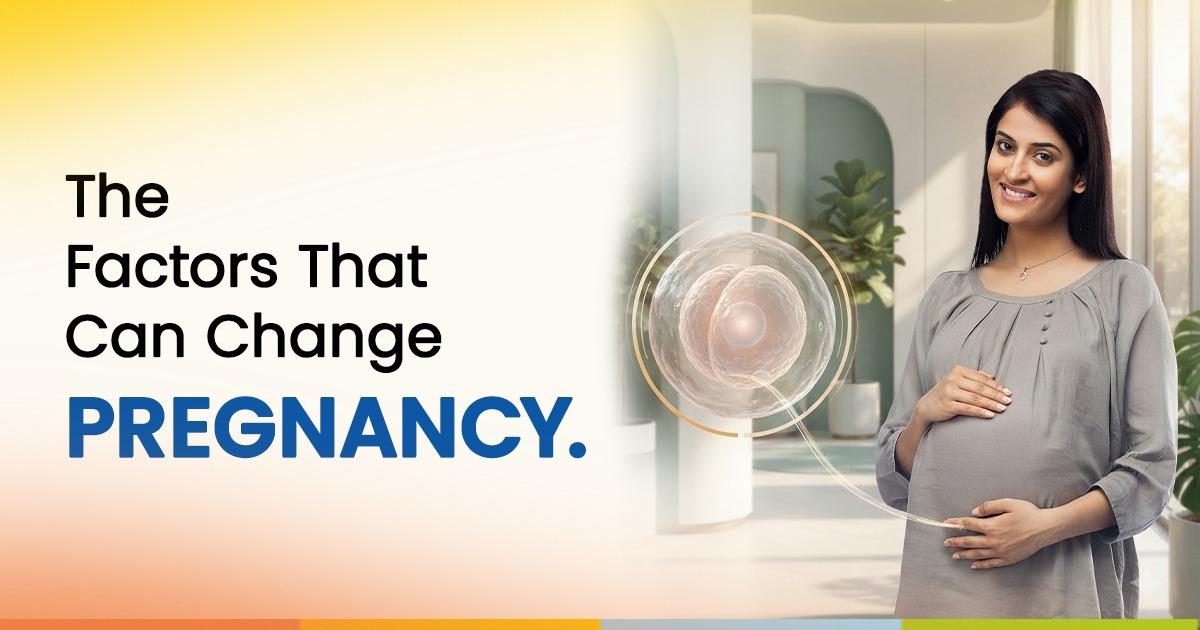
The Factors That Can Change Pregnancy.
Pregnancy is often described as a beautiful journey filled with excitement, anticipation, and hope. For many women, it progresses smoothly with routine check-ups and expected milestones. However, not every pregnancy follows the same path.
Some pregnancies require closer monitoring and additional care to ensure the health and safety of both mother and baby. What many women do not realize is that needing extra attention during pregnancy does not automatically mean something is wrong. In fact, timely medical supervision can often prevent complications and lead to healthy outcomes.
Understanding why some pregnancies require additional care can help expectant mothers feel more informed, prepared, and confident throughout their journey.
What Makes a Pregnancy High Risk?
A high-risk pregnancy is one where the mother, baby, or both may face a greater chance of health complications during pregnancy, delivery, or after birth.
Hearing the term “high risk” can feel overwhelming. However, it simply means that healthcare providers may recommend more frequent monitoring, additional tests, or specialized care to reduce potential risks.
Women searching for high risk pregnancy near me are often surprised to learn that many factors can contribute to a pregnancy being classified as high risk.
These factors may include:
- Maternal age over 35
- Multiple pregnancies such as twins or triplets
- High blood pressure
- Diabetes
- Thyroid disorders
- Previous pregnancy complications
- Obesity
- Certain medical conditions
The good news is that modern obstetric care has significantly improved the ability to manage these situations successfully.
Why Early Prenatal Care Matters
One of the most important steps in ensuring a healthy pregnancy is early prenatal care.
Many pregnancy-related complications develop gradually and may not cause noticeable symptoms in the beginning. Regular check-ups allow doctors to detect potential concerns before they become serious.
During prenatal visits, healthcare providers monitor:
- Blood pressure
- Weight gain
- Baby’s growth
- Blood sugar levels
- Fetal development
- Maternal health indicators
Early detection often allows interventions that improve outcomes for both mother and baby.
Women who begin prenatal care early generally have more opportunities to address concerns and receive personalized guidance throughout pregnancy.
The Hidden Risks Women Often Overlook
Many expectant mothers focus primarily on obvious symptoms such as nausea, fatigue, or swelling. However, some risks develop quietly.
Conditions such as gestational diabetes and pregnancy-induced hypertension may initially show few symptoms while affecting both maternal and fetal health.
This is why routine screening tests are so important.
Ignoring scheduled appointments or assuming that “feeling fine” means everything is normal can sometimes delay important interventions.
Regular monitoring helps identify issues before they progress into more serious complications.
Can High-Risk Pregnancies Still Have Normal Deliveries?
One of the biggest misconceptions surrounding high-risk pregnancies is that they always result in surgical deliveries.
In reality, many women with properly managed high-risk pregnancies successfully achieve normal vaignal delivery.
The possibility depends on several factors, including:
- Maternal health
- Baby’s position
- Fetal growth
- Gestational age
- Presence of complications
Each pregnancy is unique. Medical teams carefully evaluate the situation and recommend the safest delivery approach based on individual circumstances.
The goal is always to support the healthiest possible outcome for both mother and baby.
Understanding the Growing Interest in Painless Delivery
Many expectant mothers worry about labor pain long before delivery day arrives.
As a result, interest in painless delivery options has grown significantly in recent years.
Painless delivery typically refers to labor pain management techniques, including epidural anesthesia, that help reduce discomfort while allowing mothers to remain awake and actively participate in childbirth.
Women often assume that choosing pain relief means they are less capable or less prepared for childbirth.
In reality, pain management is a personal decision that should be based on medical guidance, individual preferences, and overall pregnancy circumstances.
A well-informed birth plan can help mothers understand available options and make choices that align with their comfort and health needs.
The Emotional Side of High-Risk Pregnancy
Physical health is only one part of the journey.
Women experiencing high-risk pregnancies often face emotional challenges that can be just as significant as medical concerns.
Common feelings include:
- Anxiety
- Uncertainty
- Fear of complications
- Stress about delivery
- Concerns about the baby’s health
These emotions are completely understandable.
Support from healthcare providers, family members, and trusted loved ones can make a meaningful difference during this period.
Many women find that understanding their condition and maintaining open communication with their care team helps reduce unnecessary worry.
Lifestyle Habits That Support a Healthy Pregnancy
Although some risk factors cannot be controlled, healthy lifestyle choices can support maternal and fetal well-being.
Helpful habits include:
1. Eating a Balanced Diet
Nutrient-rich foods provide essential vitamins and minerals that support fetal growth and maternal health.
2. Staying Active
Appropriate physical activity, when approved by a healthcare provider, can improve circulation, energy levels, and overall wellness.
3. Managing Stress
Relaxation techniques, meditation, and adequate rest can help reduce emotional strain during pregnancy.
4. Following Medical Advice
Taking prescribed medications, attending appointments, and following recommended screenings play an important role in pregnancy management.
5. Avoiding Harmful Substances
Avoiding smoking, alcohol, and other harmful substances supports healthier pregnancy outcomes.
Small daily choices can contribute significantly to overall pregnancy health.
Why Monitoring Is a Strength, Not a Weakness
Some women feel disappointed when they learn they need additional monitoring during pregnancy.
However, increased supervision should be viewed as a protective measure rather than a sign of failure.
Modern prenatal care allows healthcare providers to identify concerns earlier than ever before.
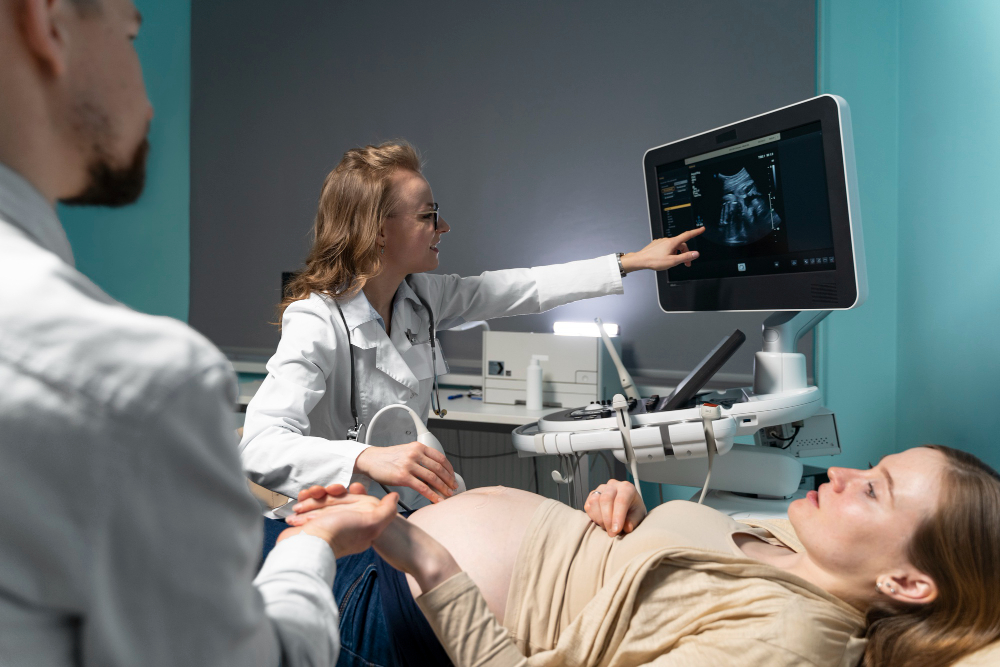
Extra ultrasounds, specialist consultations, and frequent check-ups are designed to provide reassurance and support informed decision-making.
In many cases, these additional precautions help mothers and babies achieve excellent outcomes.
Preparing for Delivery With Confidence
As delivery approaches, many mothers become increasingly focused on how childbirth will unfold.
Whether the goal is normal vaignal delivery, a medically necessary surgical birth, or a carefully planned painless delivery, preparation can help reduce uncertainty.
Important discussions may include:
- Birth preferences
- Pain management options
- Emergency procedures
- Hospital policies
- Postpartum recovery expectations
The more informed a mother feels, the more confident she is likely to be during labor and delivery.
Final Thoughts
Pregnancy does not always follow a predictable path. Some women require additional monitoring, specialized care, or more frequent medical attention to ensure the best possible outcomes. However, needing extra care does not mean a healthy pregnancy and delivery are out of reach.
Women searching for support related to high risk pregnancy near me should remember that early prenatal care, regular monitoring, and personalized medical guidance can make a significant difference. Whether the goal is a safe normal vaignal delivery or exploring options for painless delivery, informed decisions and proactive care remain the foundation of a positive pregnancy experience.
Every pregnancy journey is unique, and with the right support, even pregnancies requiring extra attention can lead to healthy mothers, healthy babies, and joyful beginnings.