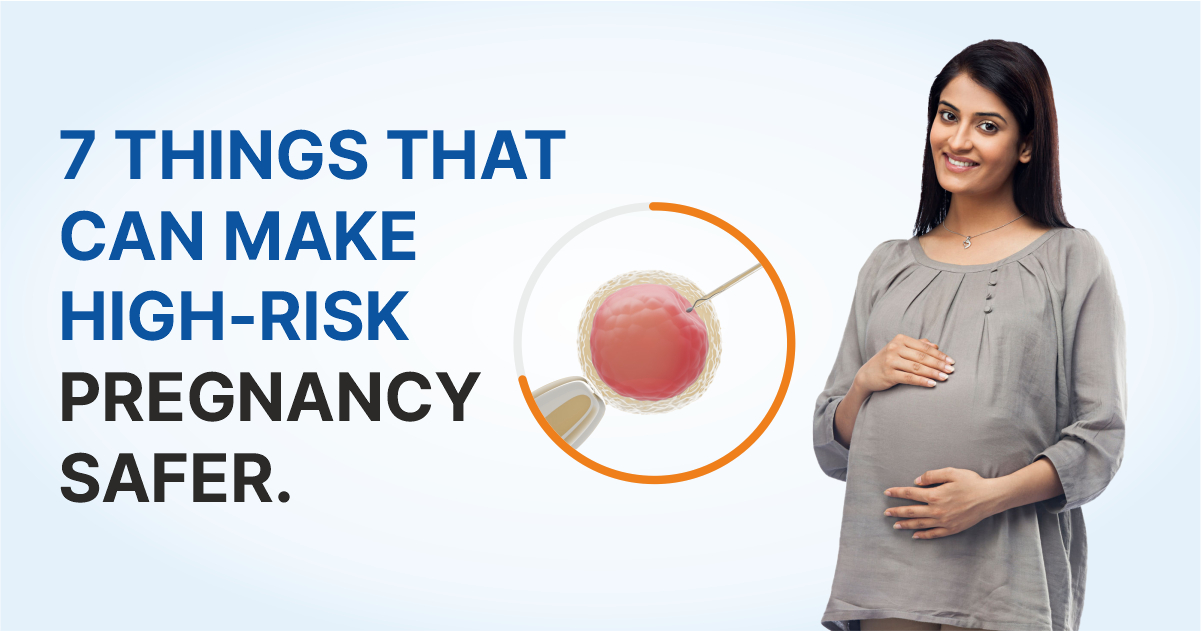
7 Things That Can Make High-Risk Pregnancy Safer!
Pregnancy is often described as a beautiful journey filled with excitement, anticipation, and countless milestones. But for some women, the journey comes with additional challenges that require closer monitoring and specialized care. This is usually when searches like high risk pregnancy near you become more common, often bringing along feelings of anxiety and uncertainty.
The term “high-risk pregnancy” can sound alarming, but it doesn’t mean something will definitely go wrong. It simply means that certain factors require extra attention to ensure the health and safety of both the mother and the baby.
In fact, many women with high-risk pregnancies go on to have healthy pregnancies and healthy babies because they receive the right care at the right time.
So what exactly does a high-risk pregnancy need?
Let’s explore the seven most important things that can make a significant difference throughout the journey.
1. Early Identification of Risk Factors
One of the most important aspects of managing a high-risk pregnancy is identifying potential concerns as early as possible.
A pregnancy may be considered high-risk due to factors such as:
- Maternal age above 35
- Diabetes
- High blood pressure
- Thyroid disorders
- Multiple pregnancies (twins or more)
- Previous pregnancy complications
- Certain medical conditions
Early identification allows doctors to develop a personalized care plan and monitor the pregnancy more closely.
The sooner risks are identified, the more opportunities there are to manage them effectively.
This is one reason why women often search for high risk pregnancy near me soon after receiving a diagnosis or recommendation from their doctor.
2. Regular and Consistent Monitoring
High-risk pregnancies require more than routine check-ups.
Additional monitoring helps doctors track:
- Baby’s growth and development
- Maternal health changes
- Placental function
- Amniotic fluid levels
- Blood pressure and blood sugar levels
These appointments are not meant to create worry.
They exist to provide reassurance and allow healthcare teams to identify potential concerns before they become serious.
Regular monitoring often becomes one of the strongest protective factors during a high-risk pregnancy.
3. Access to Specialized Care
Not all pregnancies require specialized care, but high-risk pregnancies often benefit from access to experienced professionals and advanced facilities.
This may include:
- Maternal-fetal medicine specialists
- Advanced ultrasound services
- Specialized pregnancy monitoring
- Emergency obstetric care
The goal is not simply treatment.
The goal is preparedness.
Facilities like Oorkid Hospital and IVF Centre focus on providing comprehensive maternal care that supports women throughout every stage of pregnancy, including those requiring additional monitoring and support.
4. A Personalized Pregnancy Plan
Every high-risk pregnancy is different.
Two women may have the same diagnosis but require completely different care plans.
A personalized approach often includes:
- Customized appointment schedules
- Dietary recommendations
- Medication management
- Physical activity guidelines
- Delivery planning
This individualized care helps ensure that decisions are based on the specific needs of the mother and baby rather than a generalized approach.
One-size-fits-all healthcare rarely works in high-risk situations.
5. Strong Communication with Your Healthcare Team
High-risk pregnancies often come with more questions.
And that’s completely normal.
Questions about:
- Test results
- Symptoms
- Delivery options
- Baby’s development
- Lifestyle changes
Clear communication is one of the most valuable parts of care.
Women should feel comfortable discussing concerns openly and asking questions without hesitation.
The more informed you are, the more confident you can feel throughout the pregnancy.
A supportive healthcare team helps replace uncertainty with understanding.
6. Emotional Support Matters More Than Most People Realize
When a pregnancy is labeled “high-risk,” the emotional impact can be significant.
Many women experience:
- Increased anxiety
- Fear about complications
- Stress about delivery
- Worry about the baby’s health
Unfortunately, emotional health is often overlooked.
But stress and anxiety can influence overall well-being during pregnancy.
This is why emotional support from healthcare providers, family members, and trusted support systems is so important.
Hospitals like Oorkid Hospital and IVF Centre increasingly recognize the importance of supporting both the physical and emotional aspects of pregnancy.
Because pregnancy is not only a medical experience—it is also a deeply personal and emotional one.
7. A Clear Delivery Plan
One of the biggest benefits of proper high-risk pregnancy management is having time to prepare for delivery.
A well-developed delivery plan helps answer important questions:
- When is delivery likely to happen?
- Will additional monitoring be required?
- Is a normal delivery possible?
- Would a C-section be safer?
- What support will be available for the baby after birth?
Having a plan does not eliminate uncertainty completely.
But it provides clarity and confidence as delivery approaches.
Preparation often reduces stress and helps families feel more ready for the big day.
What Makes a Pregnancy High-Risk Doesn’t Always Make It Dangerous
One of the most important things to understand is that “high-risk” and “high-danger” are not the same thing.
The purpose of identifying a pregnancy as high-risk is to increase monitoring and support—not to create fear.
Many women hear the term and immediately assume the worst.
But modern pregnancy care has advanced tremendously.
With early detection, regular monitoring, and expert guidance, many potential complications can be managed effectively.
Awareness is what creates better outcomes.
Not fear.
When Should You Seek Additional Guidance?
If you experience:
- High blood pressure
- Gestational diabetes
- Multiple pregnancies
- Previous pregnancy complications
- Unusual symptoms
- Significant concerns about fetal development
it may be helpful to consult specialists and explore options for high risk pregnancy near you.
Seeking guidance early allows healthcare providers to evaluate your situation and recommend appropriate care.
Waiting rarely creates advantages.
Early intervention often does.
The Importance of Choosing the Right Hospital
When evaluating options for high risk pregnancy near you, many families focus only on convenience or location.
While accessibility matters, other factors are equally important.
Look for:
- Experienced maternity specialists
- Advanced diagnostic capabilities
- Emergency obstetric support
- Neonatal care facilities
- Comprehensive pregnancy monitoring
The right hospital provides not only treatment but also preparedness.
And preparedness becomes incredibly valuable when dealing with a high-risk pregnancy.
The Bigger Perspective: Preparation Creates Confidence
High-risk pregnancies often involve more appointments, more tests, and more planning.
At first, this can feel overwhelming.
But each step serves a purpose.
Every scan.
Every evaluation.
Every consultation.
Together, they create a clearer understanding of how the pregnancy is progressing and what support may be needed.
The goal is not simply to manage risk.
The goal is to help mothers feel confident, informed, and supported throughout the journey.
Final Thoughts
Searching for high risk pregnancy near you often begins with concern, but it can also be the first step toward receiving the specialized care and guidance needed for a safer pregnancy journey.
While every pregnancy is unique, the right combination of monitoring, expertise, preparation, and emotional support can make a remarkable difference. This is why choosing a healthcare provider that understands the complexities of high-risk pregnancies is so important.
At Oorkid Hospital and IVF Centre, the focus extends beyond medical management to creating a supportive environment where mothers feel informed, reassured, and cared for at every stage. Because when it comes to high-risk pregnancies, the goal is not simply to manage challenges—it is to help mothers and babies reach delivery day as safely and confidently as possible.