Contact Info

Contact us for support

+91 72111 78917
Contact Us

Intrauterine Growth Restriction: Causes, Symptoms, Diagnosis, and Management

What is Intrauterine Growth Restriction (IUGR)?

Intrauterine Growth Restriction (IUGR) means a baby grows slower than expected during pregnancy. Because of this, the baby may be smaller than most babies of the same age. Sometimes, doctors also call it fetal growth restriction. Early detection is important, as IUGR in pregnancy can affect the baby’s health. With the right care, many babies with IUGR do well.

Causes of Intrauterine Growth Restriction

Many factors can lead to IUGR. Often, it happens when the baby does not get enough oxygen or nutrients. However, there are several reasons why this may occur:Problems with the placenta, which supplies food and oxygen to the babyHigh blood pressure or preeclampsia in the motherInfections during pregnancy, such as rubella or cytomegalovirusSmoking, alcohol, or drug use during pregnancyMultiple pregnancies, like twins or tripletsChronic health conditions in the mother, such as diabetes or kidney diseaseGenetic or birth defects in the baby

Because these causes vary, your doctor will look for the exact reason in each case.

Common Symptoms and Warning Signs

Usually, IUGR does not cause pain or clear symptoms for the mother. Still, there are some warning signs to watch for:Baby measures smaller than expected during a prenatal visitLess movement from the baby than usualLow weight gain in the mother

However, these signs may not always mean IUGR. Therefore, regular check-ups are important.

Diagnosis: How is IUGR Detected?

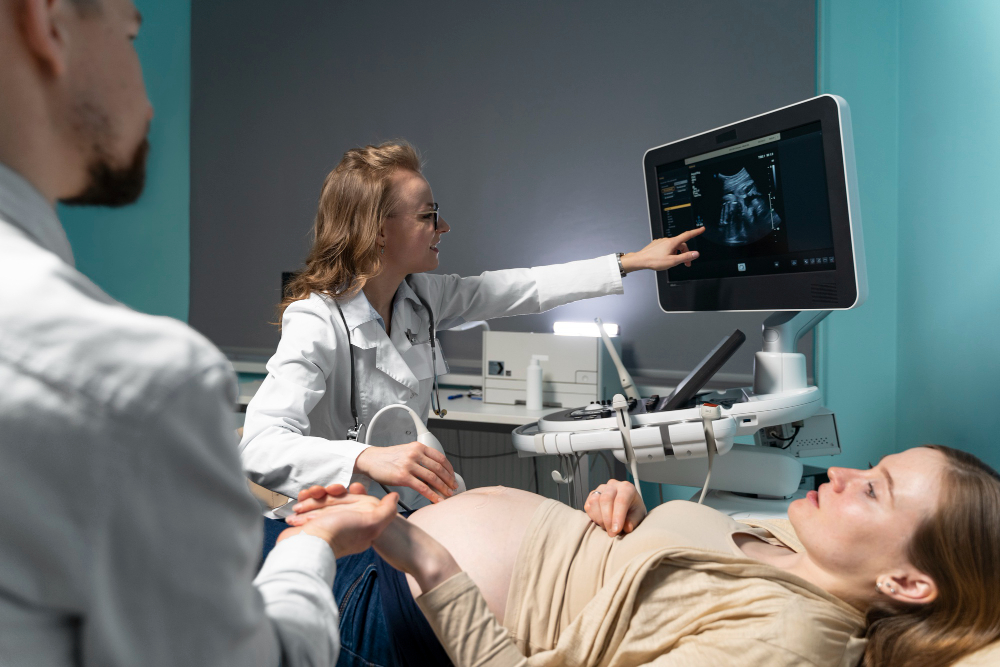
Doctors use several methods to check for intrauterine growth restriction. Early diagnosis helps improve outcomes. Here are common ways IUGR is detected:Measuring the mother’s belly to check the baby’s growthUltrasound scans to measure the baby’s size and weightChecking the amount of amniotic fluid around the babyDoppler tests to see how blood flows to the baby

Because these tests are safe, doctors often repeat them to watch the baby’s growth over time.

Treatment and Management Options

Managing intrauterine growth restriction depends on its cause and how far along the pregnancy is. Early care can help protect the baby. Here are some common management steps:Frequent doctor visits to monitor the baby’s growthMore ultrasounds and tests to check the baby’s healthRest and a healthy diet for the motherStopping smoking, alcohol, or drug useTreating any infections or health problems in the motherSometimes, early delivery if the baby’s health is at risk

Because every pregnancy is different, your doctor will choose the best plan for you. For more details, the CDC and WHO offer helpful information on IUGR in pregnancy.

Prevention and Healthy Pregnancy Tips

While not all cases of IUGR can be prevented, some steps may lower the risk. Here are some tips for a healthy pregnancy:Attend all prenatal visits and follow your doctor’s adviceEat a balanced diet rich in fruits, vegetables, and whole grainsAvoid smoking, alcohol, and drugsManage health conditions like diabetes or high blood pressureGet recommended vaccines to prevent infectionsRest and reduce stress when possible

Because early care matters, always talk to your doctor about any concerns.

When to Seek Medical Help

Sometimes, problems can develop quickly during pregnancy. Therefore, you should call your doctor if you notice:Less movement from your baby than usualSudden swelling, headaches, or vision changesAny bleeding or severe pain

Early action can help keep you and your baby safe.

In summary, intrauterine growth restriction (IUGR) is a serious but manageable condition. With regular care and healthy habits, many babies grow well. Consult your obstetrician or gynaecologist at Oorkid Hospital and IVF Centre for personalised advice on IUGR and optimal prenatal care.

Understanding PCOS: Symptoms, Diagnosis, and Effective Management


What is PCOS?

Polycystic Ovary Syndrome, or PCOS, is a common health problem. It affects women of childbearing age. PCOS awareness is important because many women do not know they have it. PCOS happens when hormones in the body are out of balance. This can cause problems with periods, skin, and even fertility. According to the CDC, PCOS affects about 1 in 10 women. Early understanding helps with better care and management.

Common Symptoms of PCOS

Many women notice signs of PCOS in their teens or early twenties. However, symptoms can start at any age after puberty. Not every woman has the same symptoms. Still, some signs are more common than others. For example, you may notice:Irregular periods or missed periodsExtra hair growth on the face, chest, or backAcne or oily skinThinning hair or hair loss on the scalpWeight gain or trouble losing weightDark patches of skin, often on the neck or underarms

Because these symptoms can be mild, many women do not realize they have PCOS. Yet, knowing the signs of PCOS can help you seek help sooner.

Causes and Risk Factors

Doctors do not know the exact cause of PCOS. However, several factors may play a role. For instance, genetics can increase your risk. If your mother or sister has PCOS, you may be more likely to have it too. In addition, high levels of insulin in the body can lead to PCOS. Insulin helps control blood sugar. When the body does not use insulin well, it makes more. This can cause hormone changes and lead to PCOS. Obesity can also raise your risk. But even women at a healthy weight can get PCOS.

How PCOS is Diagnosed

Doctors use several steps for PCOS diagnosis. First, they ask about your symptoms and medical history. Next, they may do a physical exam. Blood tests help check hormone levels. An ultrasound can show if there are small cysts on the ovaries. However, not all women with PCOS have cysts. Because other problems can cause similar symptoms, your doctor will rule out other conditions. Early PCOS diagnosis can help you start treatment sooner.

Treatment Options and Lifestyle Management

There is no cure for PCOS, but many PCOS treatment options can help manage symptoms. Your doctor may suggest:Birth control pills to help with periods and hormone balanceMedicines to lower insulin or help with acne and hair growthFertility treatments if you want to get pregnant

Besides medicine, lifestyle changes are important. For example, eating a healthy diet and staying active can help control weight and lower insulin. Even a small weight loss can improve symptoms. Living with PCOS can be easier with support and good habits.

Prevention and Self-Care Tips

While you cannot always prevent PCOS, some steps may help lower your risk or manage symptoms. Try these self-care tips: Eat balanced meals with fruits, vegetables, and whole grains Exercise regularly, even simple walks help Keep a healthy weight, if possible, manage stress with relaxation or hobbies See your doctor for regular check-ups

Because PCOS can affect many parts of your health, self-care is key. Small changes can make a big difference over time.

Importance of PCOS Awareness

PCOS awareness helps women get the care they need. Many women live with symptoms for years before getting help. By learning about PCOS, you can spot signs early and talk to your doctor. Early treatment can prevent problems like diabetes, heart disease, and infertility. Sharing what you know can also help friends and family. Together, we can support women living with PCOS.

If you think you may have PCOS or have questions, consult a healthcare specialist at Oorkid Hospital and IVF Centre for personalized advice and care.