Contact Info

Contact us for support

+91 72111 78917
Contact Us

The Importance of Preventive Care: Early Detection and Prevention of Gynaecological Conditions

Women’s health is a complex and vital aspect of overall well-being, and prioritizing preventive care is paramount in ensuring a healthier future. Gynaecological conditions can affect women at any stage of life, but early detection and preventive measures play a crucial role in maintaining optimal reproductive health. In this blog, Dr Kajal Mangukiya of Orkid Hospital, one of the best infertility centres in Surat, has explained the significance of preventive care and explored methods for early detection along with preventive measures for common gynaecological conditions.

1. Understanding Preventive Care:

Preventive care involves proactive measures to maintain health and prevent the onset of diseases or conditions. For women’s health, gynaecological preventive care is designed to identify potential issues early on, allowing for timely intervention and effective management. Regular check-ups, screenings, and lifestyle modifications are key components of preventive care.

2. Routine Gynaecological Exams:

Annual gynaecological exams from the best gynaecologists in Surat is a cornerstone of preventive care for women. These comprehensive check-ups provide an opportunity for healthcare providers to assess overall reproductive health, screen for potential issues, and address any concerns the patient may have. During these exams, healthcare professionals may perform a pelvic exam, a Pap smear, and discuss the patient’s menstrual cycle, contraception, and sexual health.

Routine exams not only aid in the early detection of gynaecological conditions but also foster open communication between patients and healthcare providers. Women are encouraged to schedule regular gynaecological check-ups, starting in their late teens or early twenties, to establish a baseline for their reproductive health and receive personalized guidance on preventive measures.

3. Pap Smears for Cervical Cancer Screening:

Cervical cancer is a preventable and highly treatable condition when detected early. Pap smears, or Pap tests, are essential for the early detection of abnormal cervical cells that may develop into cancer. During a Pap smear, cells from the cervix are collected and examined for any irregularities.

The frequency of Pap smears may vary based on factors such as age, medical history, and previous Pap smear results. Generally, women are advised to start Pap smears at the age of 21 and follow the recommended screening schedule provided by their healthcare provider. Regular screenings can identify precancerous changes, allowing for interventions before the development of cervical cancer.

4. Mammograms for Breast Cancer Screening:

Breast cancer remains a significant concern for women, and regular mammograms are instrumental in its early detection. Mammograms use low-dose X-rays to capture images of the breast tissue, helping identify any abnormalities or potential signs of cancer.

The frequency and timing of mammograms may vary based on factors such as age, family history, and individual risk factors. Women are encouraged to discuss their breast cancer risk with their healthcare provider to determine the most appropriate screening schedule. Early detection through mammograms enhances the effectiveness of treatment options and improves the overall prognosis for women diagnosed with breast cancer.

5. Pelvic Exams and Ovarian Cancer Screening:

While there is no standardized screening test for ovarian cancer, pelvic exams are a valuable component of gynaecological preventive care. During a pelvic exam, healthcare providers can assess the size, shape, and consistency of the ovaries and detect any abnormalities.

Women should be attentive to any persistent changes or symptoms such as bloating, pelvic pain, or changes in bowel habits, which may warrant further investigation. While pelvic exams are not specifically designed for ovarian cancer screening, they contribute to overall reproductive health monitoring and provide an opportunity to discuss any concerns with healthcare providers.

6. Preventive Measures for Gynaecological Conditions:

In addition to regular screenings, adopting preventive measures is crucial for maintaining gynaecological health. Lifestyle choices, such as maintaining a healthy diet, staying physically active, and avoiding tobacco use, contribute to overall well-being and reduce the risk of gynaecological conditions, says dr. Kajal Mangukiya, our expert at Orkid hospital, one of the best infertility centres in Surat.

Practicing safe sex, including the use of barrier methods and regular testing for sexually transmitted infections (STIs), is another essential aspect of preventive care. Vaccines, such as the HPV vaccine, provide protection against certain strains of the human papillomavirus (HPV) known to increase the risk of cervical cancer.

Conclusion:

Prioritizing preventive care is a proactive and empowering approach to women’s health. Regular gynaecological exams, screenings, and lifestyle modifications contribute to the early detection and prevention of gynaecological conditions, enhancing overall reproductive health. Check-ups like these can also help you avoid frequent trips to the best infertility hospitals in Surat and save you a lot of emotional and financial stress.

Women are encouraged to engage in open communication with their healthcare providers, schedule routine check-ups, and be proactive in adopting preventive measures. By taking charge of their reproductive health, women can pave the way for a healthier and more fulfilling life. Remember, preventive care today ensures a healthier tomorrow.

Fertility Treatment Options: Ways to Treat Infertility

Embarking on the journey towards parenthood can be a transformative experience, yet for many couples, the path is fraught with the challenges of infertility. Orkid Hospital & IVF Centre, one of the best infertility hospitals in Surat, stands as a beacon of hope for those facing this journey. In this comprehensive guide, we will delve into the myriad fertility treatment options offered by us.

Orkid Hospital IVF Centre has earned its status as one of the best infertility centers in Surat by offering a comprehensive range of fertility treatments. The center seamlessly combines cutting-edge technology, a team of skilled specialists, and a patient-centric approach to provide unparalleled care.

Services at Orkid include:

Advanced Fertility Treatments: Orkid’s state-of-the-art facilities offer a spectrum of fertility treatments, including IVF, IUI, and ovulation induction, all tailored to maximize the chances of conception.

Diagnostic Expertise: Accurate diagnosis is the cornerstone of effective fertility treatment. Orkid’s advanced diagnostic capabilities ensure a thorough understanding of each patient’s unique situation, paving the way for targeted interventions.

Comprehensive Approach to Infertility Treatment

Being one of the best infertility hospitals in Surat, Orkid Hospital & IVF Centre goes beyond traditional fertility treatments, offering a holistic approach that considers the physical, emotional, and psychological aspects of infertility. The center’s commitment to excellence is reflected in its multidisciplinary approach, with experts collaborating to provide the most comprehensive care possible.

Orkid’s Commitment to Success

As the best infertility center in Surat, Orkid takes pride in its high success rates and patient satisfaction. The hospital’s commitment to transparency and patient education ensures that individuals and couples are well-informed throughout the treatment process.

A Testimony to Excellence

Countless success stories stand as a testament to Orkid’s prowess in fertility treatment. Couples who once faced the challenges of infertility now proudly share their joyous experiences, highlighting the personalized care, cutting-edge treatments, and unwavering support received at Orkid Hospital & IVF Center.

For those seeking the advice of the best gynecologist in Surat, Orkid stands out as the epitome of excellence. The combination of Dr. Kajal Mangukiya’s expertise and Orkid’s state-of-the-art facilities makes it the preferred destination for couples on their journey to parenthood.

Exploring Options for Addressing Infertility:

Once the initial assessment is complete, our expert will provide recommendations on the next steps. This may include suggesting lifestyle modifications, surgical intervention, medical management, referring the male partner to a urologist, or ultimately, seeking the expertise of a fertility specialist. We are here to assist you in navigating the path ahead.

Surgical Interventions

For women experiencing conditions like blocked fallopian tubes, endometriosis, and/or fibroids, surgical treatment may offer benefits. Surgical procedures may also be advised for male partners if the evaluation reveals sperm blockages or a history of vasectomy.

Ovulation Induction

Addressing ovulation disorders often involves ovulation induction — the utilization of hormones or fertility medications to stimulate the release of one or more eggs from the female ovaries. This treatment can be administered orally or through injections.

At VPFW, our providers can initiate an initial trial of oral ovulation medications (such as letrozole or clomiphene) if infertility is associated with conditions like polycystic ovarian syndrome (PCOS). Beyond this initial management, infertility treatment may be directed by a specialist. Ovulation induction may also involve injectable medications, a determination made by a reproductive specialist.

Assisted Conception

Procedures designed to enhance fertilization, such as intrauterine insemination (IUI) or in vitro fertilization (IVF), fall under the umbrella of assisted conception.

Intrauterine Insemination (IUI)

IUI, also known as artificial insemination, involves the direct insertion of sperm into the woman’s uterus during ovulation. Couples often start with this treatment due to its lower cost and less invasive nature compared to IVF. The process includes collecting a semen sample, washing it in a lab to isolate the most mobile sperm, and then inserting it into the uterus using a speculum.

The timing of the IUI procedure is crucial and aligns with the most fertile phase of the female partner’s cycle, necessitating ovulation tracking. IUI is frequently coupled with ovulation-inducing hormones or medication to increase the number of eggs ovulated, enhancing the chances of conception. Couples combining ovulation induction with IUI may have an increased likelihood of conceiving twins or multiples.

While IUI is a recommended initial step for couples with unexplained infertility, its success depends on the female partner’s ability to ovulate and implant a fertilized egg, as well as the motility of the male partner’s sperm. If any of these conditions are not met, transitioning to IVF may be advised.

In Vitro Fertilization (IVF)

IVF entails retrieving eggs from the ovary, fertilizing them with sperm in a laboratory, and subsequently placing the embryo into the uterus. This more invasive and expensive procedure generally boasts a higher success rate compared to IUI.

Depending on the cause of infertility, the egg, sperm, or embryo used in IVF may be from a donated source. Additionally, embryos can be placed in the uterus of a gestational carrier (surrogate) to carry the pregnancy.

Egg Freezing

IVF can also utilize eggs previously retrieved and frozen. Freezing eggs preserves their quality, offering women not ready for immediate parenthood an option to safeguard their fertility for the future.

Conclusion

The emotional aspect of infertility cannot be overlooked. Orkid’s dedicated team provides counseling and support throughout the fertility journey, acknowledging the challenges and triumphs that come with it.

Orkid Hospital & IVF Center, as the best infertility center in Surat, is dedicated to making the dream of parenthood a reality for every individual and couple. With a holistic approach, cutting-edge technology, and a compassionate team, Orkid stands tall in the realm of fertility treatment, offering hope and solutions to those navigating the intricate path of infertility. Choose Orkid, and embark on your journey to parenthood with confidence and assurance.

Nourishing Your IVF Journey: A Guide to Foods That Support Success

Embarking on the path of In Vitro Fertilization (IVF) is a significant decision for couples navigating infertility. While medical interventions play a crucial role, the impact of lifestyle, including diet, cannot be underestimated. What you eat can influence fertility, and adopting a fertility-friendly diet can enhance the effectiveness of IVF treatments. In this blog, our experts at Orkid hospital & IVF centre, one of the best IVF hospitals in Surat, will guide you about the foods that can support your IVF journey and those that might hinder its success.

Fertility-Boosting Foods

1. Fruits and Vegetables: The foundation of a fertility-friendly diet lies in a colourful array of fruits and vegetables. Packed with vitamins, minerals, and antioxidants, these foods support overall health and reproductive function. Aim for a variety of colours to ensure a diverse range of nutrients that contribute to a well-balanced diet.

2. Whole Grains: Opt for whole grains like quinoa, brown rice, and oats, which are rich in fibre and essential nutrients. These grains help regulate blood sugar levels and provide a sustained release of energy, promoting overall health and hormonal balance.

3. Healthy Fats: Dr Kaajal Mangukiya, our expert at Orkid hospital & IVF centre, one of the best IVF centres in Surat, advises to incorporate sources of healthy fats, such as avocados, nuts, seeds, and olive oil, into your diet. These fats are essential for hormone production and play a crucial role in supporting reproductive health. Omega-3 fatty acids, found in fatty fish like salmon and flaxseeds, are particularly beneficial.

4. Lean Proteins: Choose lean protein sources like poultry, fish, tofu, and legumes to meet your protein needs. Protein is a building block for tissues and hormones, making it a crucial component of a fertility-focused diet.

5. Dairy or Dairy Alternatives: Calcium-rich foods, including dairy or fortified dairy alternatives, contribute to bone health and support overall well-being. Opt for low-fat or non-fat options to minimize saturated fat intake.

6. Iron-Rich Foods: Iron is essential for the production of healthy red blood cells and oxygen transport. Including iron-rich foods like spinach, lentils, lean meats, and fortified cereals to support blood health is recommended by the doctors at Orkid Hospital, one of the best infertility centres in Surat.

7. Water: Staying adequately hydrated is fundamental for overall health, and it becomes even more critical during fertility treatments. Water helps maintain optimal bodily functions and supports the health of reproductive tissues.

Foods to Limit or Avoid

1. Caffeine: While moderate caffeine intake is generally considered safe, excessive caffeine consumption has been associated with reduced fertility. Our fertility experts at Orkid Hospital, one of the best IVF hospitals in Surat, recommend limiting your intake of coffee, tea, and caffeinated beverages to support your reproductive journey.

2. Processed Foods: Highly processed foods often contain additives, preservatives, and unhealthy fats that may negatively impact fertility. Opt for whole, unprocessed foods to provide your body with the nutrients it needs.

3. Sugary Treats: High sugar intake can contribute to insulin resistance and inflammation, potentially affecting hormonal balance. Limit your consumption of sugary snacks and desserts, opting for natural sweeteners like honey or maple syrup when needed.

4. Trans Fats: Trans fats, commonly found in fried and processed foods, have been linked to inflammation and an increased risk of infertility. Read food labels carefully and choose foods with healthier fat sources.

5. Alcohol: While moderate alcohol consumption may not significantly impact fertility, excessive alcohol intake can disrupt hormonal balance and reduce the chances of successful IVF. It’s advisable to limit alcohol or abstain altogether during fertility treatments.

6. Excessive Soy Products: While soy products can be part of a healthy diet, consuming them in excess may have estrogen-like effects, potentially impacting hormonal balance. Aim for moderation in incorporating soy-based foods.

Conclusion

Adopting a fertility-friendly diet is a proactive and empowering step for individuals undergoing IVF treatments. Nourishing your body with nutrient-dense foods supports overall health and enhances the effectiveness of fertility treatments. While there’s no one-size-fits-all approach, incorporating a variety of fruits, vegetables, whole grains, and lean proteins can create a solid foundation for reproductive wellness.

Equally important is minimizing the intake of foods that may hinder fertility. Limiting caffeine, avoiding processed and sugary foods, and being mindful of alcohol consumption contribute to a holistic approach to fertility support.

Remember, every individual’s body responds differently, and consulting the doctors at one of the best test tube baby centres in Surat who can provide personalized guidance based on your unique needs and medical history is beneficial. By making informed dietary choices, you can contribute to a nourishing environment for your fertility journey, increasing the likelihood of a positive outcome in your IVF treatment.

Top Factors Influencing IVF Success — A Guide From The Best IVF Hospital in Surat

In recent years, In Vitro Fertilization (IVF) has emerged as a beacon of hope for couples facing infertility challenges. While IVF has brought joy to countless families, its success is not guaranteed. Understanding the factors that influence IVF outcomes is crucial for prospective parents embarking on this journey. Our fertility specialist, Dr Kaajal Mangukiya, at Orkid hospital and IVF centre, considered as one of the best IVF centres in Surat, delves into the top factors that play a pivotal role in determining the success or failure of IVF treatments.

1. Age Matters

One of the most significant factors influencing IVF success is the age of the woman undergoing the procedure. Fertility declines with age, and this decline becomes more pronounced after the age of 35. Younger women generally have healthier and more viable eggs, resulting in higher success rates. As a woman ages, the quality and quantity of her eggs diminish, leading to lower chances of successful fertilization and implantation.

2. Reproductive Health

The overall reproductive health of both partners is critical for IVF success. Conditions such as polycystic ovary syndrome (PCOS), endometriosis, and low sperm count can negatively impact the chances of a successful IVF cycle. Our specialists at Orkid Hospital, one of the best infertility centres in Surat, recommend thorough testing and addressing any underlying reproductive health issues before starting with the IVF treatments to optimize the chances of success.

3. Lifestyle Factors

Lifestyle choices can significantly affect IVF outcomes. Smoking, excessive alcohol consumption, and obesity have been linked to lower success rates in IVF cycles. These factors can impact the quality of eggs and sperm, as well as the overall health of the reproductive system. Adopting a healthy lifestyle through regular exercise, a balanced diet, and avoiding harmful habits can positively influence IVF success.

4. Ovarian Reserve

The ovarian reserve, which refers to the quantity and quality of a woman’s eggs, is a crucial factor in IVF success. Women with a diminished ovarian reserve may produce fewer eggs during the stimulation phase of IVF, reducing the chances of a successful fertilization and implantation. Testing for ovarian reserve before starting IVF can help set realistic expectations and guide treatment decisions.

5. Embryo Quality

The quality of embryos plays a pivotal role in IVF success. After fertilization, embryos are graded based on their appearance and developmental stage. High-quality embryos are more likely to implant successfully in the uterus. Advanced techniques such as preimplantation genetic testing (PGT) can be employed to assess the genetic health of embryos, further enhancing the chances of a successful pregnancy. These techniques will be available at some of the best IVF hospitals in Surat.

6. Uterine Health

A receptive and healthy uterus is crucial for the implantation of embryos. Conditions such as uterine fibroids, polyps, and structural abnormalities can hinder implantation and increase the risk of miscarriage. Prior to undergoing IVF, a thorough evaluation of the uterus through imaging studies and other diagnostic tests is essential to identify and address any issues that may impact the success of the procedure.

7. Sperm Quality

Male factor infertility is a common contributor to IVF failure. The quality and quantity of sperm are vital for successful fertilization. Factors such as low sperm count, poor motility, and abnormal morphology can decrease the likelihood of fertilization. Comprehensive semen analysis and, if necessary, advanced reproductive techniques such as intracytoplasmic sperm injection (ICSI) can be employed to overcome male fertility issues.

8. Hormonal Imbalances

Hormonal imbalances can disrupt the delicate interplay of reproductive hormones necessary for successful IVF. We at Orkid hospital & IVF centre, being one of the best test-tube baby centres in Surat, look for conditions such as irregular menstrual cycles, thyroid disorders, and elevated levels of certain hormones as part of the treatment as it can adversely affect the outcome of IVF cycles. Hormonal assessments and appropriate interventions to restore hormonal balance are crucial for optimizing the chances of success.

Conclusion

Embarking on the journey of In Vitro Fertilization is a deeply personal and hopeful step for couples facing infertility challenges. While success is never guaranteed, understanding the factors that influence IVF outcomes empowers individuals to make informed decisions and take proactive measures to enhance their chances of success. From age and reproductive health to lifestyle choices and embryo quality, each factor plays a unique role in shaping the IVF journey. By addressing these factors comprehensively, prospective parents can navigate the complexities of IVF with greater confidence and resilience.

Navigating the IVF Maze: Understanding Multiple Pregnancies,Risks Factors, and Management

In vitro fertilization (IVF) has revolutionized fertility treatments, offering hope to couples struggling to conceive. While the primary goal of IVF is to achieve a successful pregnancy, there is an inherent potential for multiple pregnancies. Our experts at Orkid Hospital, considered as one of the best infertility hospitals in Surat, have shared their knowledge about the complexities of multiple pregnancies following IVF, examining the risks involved, the factors to consider, and the management approaches that healthcare professionals may employ.

Understanding Multiple Pregnancies

Multiple pregnancies occur when more than one embryo implants and develops in the uterus. IVF, by its nature, involves the transfer of multiple embryos to enhance the chances of successful implantation. While this increases the likelihood of achieving a pregnancy, it also raises the potential for twins, triplets, or even higher-order multiples.

There are various factors influencing multiple pregnancies:

1. Number of Embryos Transferred: The most significant factor influencing the likelihood of a multiple pregnancy is the number of embryos transferred. While transferring multiple embryos increases the chance of at least one implanting successfully, it also raises the risk of multiple gestations. That’s why it is recommended to seek treatment from one of the best IVF centres in Surat at Orkid Hospital and IVF centre.

2. Maternal Age: Younger women tend to produce healthier embryos, leading to a higher likelihood of successful implantation. To balance this, healthcare providers may recommend transferring fewer embryos in younger patients to reduce the risk of multiple pregnancies.

3. Embryo Quality: High-quality embryos are more likely to implant successfully. In cases where several high-quality embryos are available, healthcare professionals may need to carefully consider the number to transfer to strike a balance between success rates and the risk of multiples.

4. Previous IVF Attempts: If a patient has undergone multiple IVF cycles without success, healthcare providers may consider transferring more embryos in subsequent cycles to improve the chances of a successful pregnancy. However, this decision must be made with caution to avoid an increased risk of multiples.

Risks Associated with Multiple Pregnancies

While the idea of conceiving twins or more may seem exciting, it’s essential to be aware of the potential risks associated with multiple pregnancies. According to the experts at Orkid Hospital and IVF centre, one of the best IVF hospital in Surat, these risks include:

1. Preterm Birth: Multiple pregnancies are at a significantly higher risk of preterm birth. Premature babies may face health complications and require extended stays in neonatal intensive care units (NICUs).

2. Low Birth Weight: Babies from multiple pregnancies are more likely to have a low birth weight, which can contribute to health challenges in the early stages of life.

3. Cesarean Section: The likelihood of needing a cesarean section is higher in multiple pregnancies due to the increased strain on the mother’s body and potential complications during delivery.

4. Gestational Diabetes and Hypertension: Mothers of multiples are at a higher risk of developing gestational diabetes and hypertension, posing health risks to both the mother and the unborn babies.

5. Neonatal Complications: Multiple pregnancies are associated with an increased risk of neonatal complications, including respiratory distress syndrome and developmental delays.

Management Approaches

Our healthcare providers take a personalized approach to minimize the risks associated with multiple pregnancies following IVF. Here are some common management followed by us at Orkid Hospital and IVF centre, the best test tube baby centres in Surat:

1. Elective Single Embryo Transfer (eSET): For younger patients with a favourable prognosis, healthcare professionals may recommend eSET to reduce the risk of multiples. This involves transferring a single high-quality embryo, optimizing the chance of a healthy, singleton pregnancy.

2. Selective Reduction: In cases where a higher-order multiple pregnancy poses significant risks to the health of both the mother and the babies, healthcare providers may discuss the option of selective reduction. This involves reducing the number of foetuses in the uterus to enhance the chances of a healthier outcome for the remaining ones.

3. Counselling and Informed Decision-Making: A crucial aspect of managing the potential for multiple pregnancies is thorough counselling. Healthcare providers should ensure that patients are well-informed about the risks and benefits of transferring multiple embryos, empowering them to make informed decisions aligned with their reproductive goals.

4. Monitoring and Early Intervention: Continuous monitoring during the pregnancy is essential for detecting and addressing any complications promptly. Early intervention can significantly improve outcomes for both the mother and the babies.

5. Preconception Planning: Before embarking on an IVF journey, healthcare providers should engage in preconception planning with patients. This involves discussing the potential for multiple pregnancies, assessing individual risk factors, and establishing a personalized plan that aligns with the patient’s goals and values.

Conclusion

While the potential for multiple pregnancies is inherent in the IVF process, it’s crucial to approach this aspect of fertility treatment with careful consideration and informed decision-making. By working closely with your healthcare providers, patients can optimize their chances of a successful pregnancy while minimizing the potential risks associated with conceiving multiples. We at Orkid Hospital & IVF Centre understand the profound emotions that accompany this journey of IVF and are honoured to stand by your side, offering unwavering support and guidance.

IVF Unveiled: Addressing Your Top 10 Concerns

Embarking on the journey of in vitro fertilization (IVF) can be both hopeful and overwhelming. We know the myriad of questions swirling in your mind, and that’s why our fertility experts at Orkid Hospital, one of the best IVF hospitals in Surat have got you covered with this blog. We aim to demystify common doubts surrounding IVF, providing you with the information you need to make informed decisions and approach the process with confidence.

1. How Long Does the Procedure Take?

The duration of an IVF procedure varies, but on average, it takes about four to six weeks from the start of ovarian stimulation to embryo transfer. This includes the initial consultation, ovarian stimulation, egg retrieval, fertilization, embryo culture, and finally, the embryo transfer. Patience is the key, as each step is meticulously timed to optimize the chances of a successful pregnancy.

2. How Many Times Can One Try IVF?

Our specialist at Orkid hospital and IVF centre, considered as one of the best infertility hospitals in Surat, say that the number of IVF attempts depends on individual circumstances, including age, health, and the underlying cause of infertility. Many couples achieve success within the first few attempts, while others may require additional cycles. The decision to continue with IVF is often a collaborative one between the patient and their healthcare team, considering factors such as emotional well-being and financial considerations.

3. Is IVF Harmful?

IVF is a generally safe and well-established medical procedure. However, like any medical intervention, it comes with potential risks and side effects. Ovarian hyperstimulation syndrome (OHSS), multiple pregnancies, and rare complications during egg retrieval or embryo transfer are possible. It’s crucial to choose the best IVF centres in Surat for the procedure and discuss potential risks with their experts, ensuring that you are well-informed before proceeding with IVF.

4. Is the Incidence of Multifetal Pregnancy High?

The risk of multifetal pregnancy is associated with the number of embryos transferred. While transferring multiple embryos increases the chances of pregnancy, it also raises the likelihood of twins, triplets, or more. Advances in reproductive medicine, along with the adoption of elective single embryo transfer (eSET) strategies, have contributed to a reduction in the incidence of high-order multiple pregnancies.

5. Is the Incidence of Birth Defects High?

Research suggests that the risk of birth defects in IVF-conceived children is only slightly higher than in naturally conceived children. However, it’s essential to note that various factors, including the age and health of the parents, can influence this risk. Continuous monitoring and advancements in reproductive technologies contribute to minimizing potential risks associated with IVF.

6. Is Success Difficult in the First Attempt?

While success rates can vary, achieving a pregnancy in the first IVF attempt is indeed possible. Success rates are influenced by factors such as age, the cause of infertility, and overall health. While some individuals or couples may experience success right away, others may need multiple cycles. Discussing realistic expectations with our healthcare team at Orkid hospital and IVF centre, the best test tube baby centre in Surat and understanding the factors influencing success can help manage expectations during the IVF journey.

7. Can I Carry Out Normal Activities After the Procedure?

After the embryo transfer, it’s advisable to take it easy for a short period. Many individuals resume normal activities within a day or two, but it’s crucial to avoid strenuous exercise and heavy lifting during the initial weeks of the pregnancy. Our healthcare provider will provide specific guidance based on your individual situation.

8. Is It Done Under Anaesthesia?

Egg retrieval, a crucial step in the IVF process, is typically performed under anaesthesia. This ensures that the procedure is pain-free, and you remain comfortable throughout. The level of anaesthesia varies, and our healthcare team will determine the most suitable option based on your needs.

9. Is It Painful?

While discomfort is normal, especially after procedures like egg retrieval, IVF is generally not described as painful. Most individuals tolerate the process well and find that any discomfort is manageable. Communication with our healthcare team is essential, and they can provide guidance on pain management strategies.

10. Is an IVF Baby Different Than Normal?

An IVF-conceived baby is just as “normal” as a naturally conceived baby. IVF helps individuals and couples overcome fertility challenges, and the resulting pregnancies are monitored similarly to those conceived naturally. Scientific research has not shown significant differences in the health or development of IVF babies compared to their naturally conceived counterparts.

Conclusion

Embarking on the IVF journey involves facing uncertainties, but seeking answers to your questions is a crucial step toward making informed decisions. By addressing common concerns surrounding the duration of the procedure, potential risks, success rates, and the well-being of IVF-conceived babies, you can approach the process with confidence and a clearer understanding. Remember, open communication with the healthcare team is key throughout the IVF journey, ensuring that you receive personalized guidance tailored to your unique circumstances.

Dr.Kaajal Mangukiya was Awarded a Sushma Swaraj Award

Talented women were Honoured with the Prestigious Sushma Swaraj Award on the occasion of International Women’s Day, organized by Surat Mahanagar Mahila Morcha on March 12, 2023. Dr Kaajal Mangukia was one of the proud RECIPIENT out of the 10 women in Surat who were awarded. The program was attended by Surat City President Shri Niranjanbhai Zanjmera, City General Secretary Kalubhai Bhimnath Mahila Morcha in-charge Siddhiben Joshi, President Sheelaben Tarpara, General Secretary Mayaben Bard, Ward Women Corporators, Ward Chief General Secretary, City Women Office bearers, and activist sisters.

During the program, an important message was conveyed to empower and support women in all aspects of life. The award recipients were praised for their outstanding achievements and contributions to society. The Sushma Swaraj Award is the most coveted award for talented women in the community, and it serves as a symbol of their hard work and dedication to making a positive impact on the world.

૧૨ માર્ચ, ૨૦૨૩ ના રોજ સુરત મહાનગર મહિલા મોરચા દ્વારા આયોજિત આંતરરાષ્ટ્રીય મહિલા દિવસ નિમિત્તે પ્રતિભાશાળી મહિલાઓને પ્રતિષ્ઠિત “સુષ્મા સ્વરાજ” એવોર્ડથી સન્માનિત કરવામાં આવ્યા હતા.

ગૌરવ પ્રાપ્ત કરનારા, સુરતની ૧૦ મહિલાઓ પૈકી ડૉ. કાજલ માંગુકિયા એક હતા જેમને પુરસ્કાર આપવામાં આવ્યું હતું.

આ કાર્યક્રમમાં સુરત શહેર પ્રમુખ શ્રી નિરંજનભાઈ ઝાંઝમેરા, શહેર મહામંત્રી કાળુભાઈ ભીમનાથ, મહિલા મોરચાના પ્રભારી સિદ્ધિબેન જોષી, પ્રમુખ શીલાબેન તારપરા, મહામંત્રી માયાબેન બારડ, વોર્ડ મહિલા કોર્પોરેટરો, વોર્ડ મુખ્ય મહામંત્રી, શહેર મહિલા હોદ્દેદારો અને કાર્યકર્તાઓ ઉપસ્થિત રહ્યા હતા.

આ કાર્યક્રમનો મુખ્ય સંદેશ મહિલાઓના આત્મનિર્ભરતા અને મહિલા કલ્યાણનો હતો. મહિલાઓની ઉત્કૃષ્ટ સિદ્ધિઓ અને સમાજ પ્રત્યેના યોગદાન માટે તેમને પ્રશંસિત અને સન્માનિત કરવામાં આવ્યા હતા. “સુષ્મા સ્વરાજ” એવોર્ડ એ સમાજની પ્રતિભાશાળી મહિલાઓ માટેનો સૌથી પ્રતિષ્ઠિત પુરસ્કાર છે, જે તેમનું સમાજ પ્રત્યેની જવાબદારી અને સખત પરિશ્રમનું પ્રતીક છે.

Anaemia Week Celebration started at Oorkid Hospital and IVF Centre – Surat from 1st March 2023

On first day Anaemia Test done at our center for our 23 OPD patients wherein the results of the same were given within a very short time to the respective patients.

Impromptu talk with OPD patients by Dr Kaajal Mangukia was delivered to create a wider awareness in the patients for Anaemia.

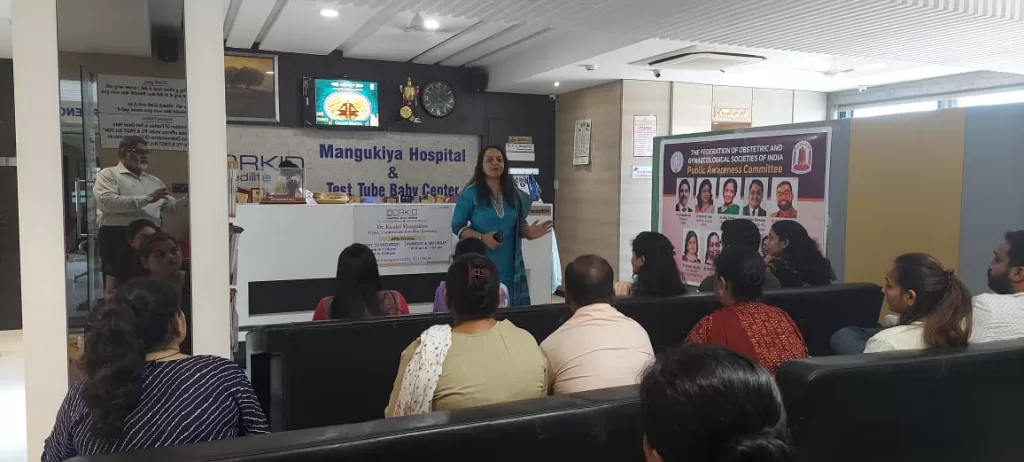
Successful seminar at Bhagwan Mahavir University – Nursing College was conducted at 2pm wherein 200+ students with 24 staff members, BMU Registrar Dr Vijay Matawala Sir, Nursing college Principal Dharmisthaben Patel Mam, Vice Principal Priyanka Bhatt Mam and Principal of MBA college attended the seminar.

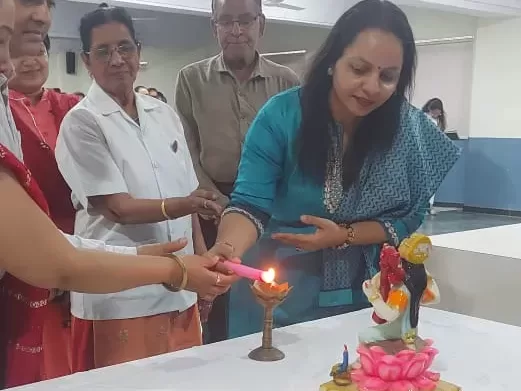
At Bhagwan Mahavir University – Nursing College The program started with lighting of the lamp by Dr Kaajal Mangukia in the presence of dignitaries of the BMU University.

Excellent participation of students was seen during the session on Menstruation and Menstrual Hygiene along with the awareness message on Anaemia.

Very valid and interesting questions were asked by atleast 10 – 12 students and apt answers were given by Dr Kaajal Mangukia.

In the end vote of thanks given by the staff of BMU Nursing college, each member shared their appreciation for the session conducted by Dr Kaajal Mangukia due to the detailed information shared on the topic of Anaemia, Menstruation and Menstrual Hygiene.

More than 150 plus nursing students of Bhagwan Mahavir University – Nursing College participated in the Anaemia camp and the college authorities were very much pleased with our awareness camp and services offered to them.

Dr.kaajal Mangukiya got featured on Times of India!

Breaking barriers and inspiring women, Dr. Kaajal Mangukiya is a true symbol of empowerment. With her expertise in IVF and high-risk pregnancies, she has been a beacon of hope for patients who had lost their hopes and dreams of parenthood. Her dedication and commitment to women’s health have helped countless patients in their journey towards motherhood. As a doctor and a friend, she ensures thorough consultation and provides satisfactory solutions to her patients. Read on to learn about one of her patients’ experiences and witness firsthand how analytical, skillful, and attentive Dr. Kaajal Mangukiya truly is.

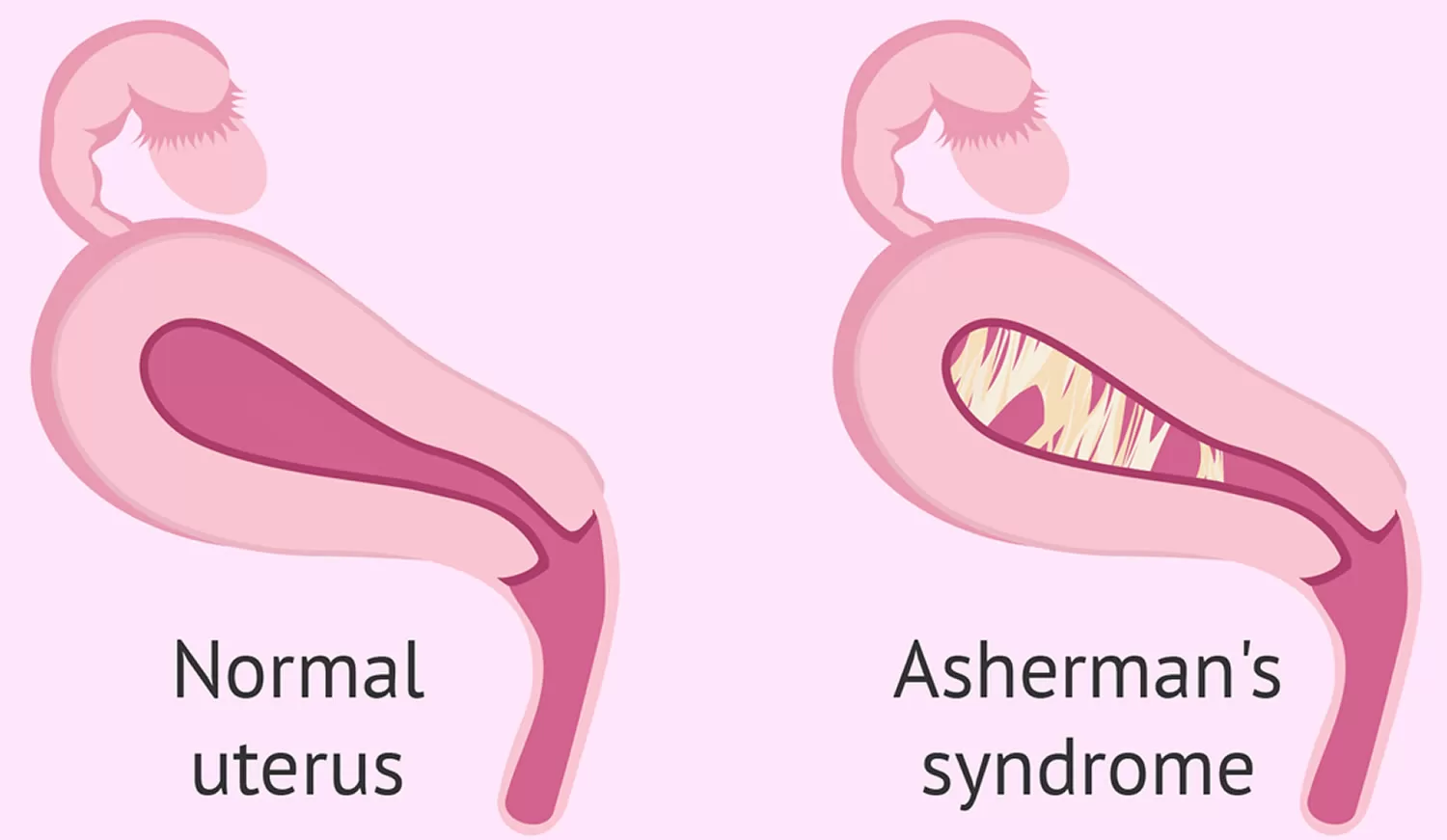
Asherman’s Syndrome

Asherman’s syndrome is an acquired condition where scar tissue (adhesions) form inside your uterus. The scar tissue can build up, decreasing the amount of open space inside your uterus. This condition can be a complication of medical procedures or cancer treatments. Women with Asherman’s syndrome may experience light or no periods, pelvic pain or infertility.

What is Asherman’s syndrome?

Asherman’s syndrome is a rare condition where scar tissue, also called adhesions or intrauterine adhesions, builds up inside your uterus. This extra tissue creates less space inside your uterus. Think of the walls of a room getting thicker and thicker, making the space in the middle of the room smaller and smaller.

This condition can cause pelvic pain and abnormal uterine bleeding and can lead to fertility issues. Asherman’s syndrome can be treated and treatment often helps relieve your symptoms.

How common is Asherman’s syndrome?

Asherman’s syndrome is considered a rare disease. It’s hard to know exactly how many people have Asherman’s syndrome because it can go undiagnosed. Some people may not experience any symptoms from this condition. If you don’t experience symptoms, you may never see a healthcare provider.

Who gets Asherman’s syndrome?

Asherman’s syndrome is an acquired condition, which means that something usually happens that causes you to develop scar tissue. You can acquire Asherman’s syndrome in several ways, including surgery, infections and cancer treatments.

Your risk of developing Asherman’s syndrome can increase if you’ve:

  • Had surgery on your uterus in the past, including operative hysteroscopy, complicated dilation and curettage (D&C) or cesarean section (c-section).
  • Had a history of pelvic infections.
  • Been treated for cancer.

Is Asherman’s syndrome genetic?

Asherman’s syndrome is generally not a genetic condition. This means that you get this condition through something that happens (as a side effect of surgery, treatment or infection) and not passed down through your family.

What are the symptoms of Asherman’s syndrome?

If you have Asherman’s syndrome, you can experience a variety of symptoms. These symptoms can include:

  • Having very light periods (hypomenorrhea).
  • Not having a period (amenorrhea) or having abnormal uterine bleeding.
  • Feeling severe cramping or pelvic pain.
  • Having difficulty getting pregnant or staying pregnant.

In some cases, you may not experience any symptoms of Asherman’s syndrome. You may also still experience normal periods. If you feel any discomfort in your pelvis or have unusual periods, reach out to your healthcare provider.

What causes Asherman’s syndrome?

Asherman’s syndrome happens when scar tissue (adhesions) build up inside your uterus, limiting the space inside your uterus and sometimes blocking your cervix. This can happen for several reasons, but one of the main causes is often surgery of your uterus or cervix.

The causes of Asherman’s syndrome can include:

  • Operative hysteroscopy: A surgery where your provider places a camera into your uterus and then cuts off and removes fibroids using an electric instrument.
  • Dilation and curettage (D&C): A type of surgery, dilation and curettage (D&C) is used to open your cervix (dilate) and then remove tissue from your uterus. This tissue can be the lining of your uterus (endometrium) or tissue from a miscarriage or abortion. During the procedure, a tool is used to scrape away the extra tissue. This typically doesn’t cause scarring unless you have an underlying infection.
  • Cesarean section (c-section): This surgery is used to deliver a baby. In some cases, a c-section can cause scar tissue to form. This can happen where the stitches (sutures) were used to stop bleeding (hemorrhages) during the c-section and you have an infection at the time of the procedure. Otherwise, it’s very rare for a c-section to cause Asherman’s syndrome.
  • Infections: Infections alone don’t typically cause Asherman’s syndrome. But, when you have an infection while you undergo uterine surgery, like a D&C or a c-section, you can develop Asherman’s syndrome. Some infections that could lead to Asherman’s syndrome include cervicitis and pelvic inflammatory disease (PID).
  • Radiation treatment: Sometimes, a treatment option can cause scar tissue to develop in your uterus. Radiation therapy can be used on conditions like cervical cancer, but this can cause adhesions (scar tissue) that lead to Asherman’s syndrome.

Can an IUD cause Asherman’s syndrome?

An intrauterine device (IUD) is a type of long-term birth control that’s placed inside your uterus and left there for a period of time (often several years). When this device is placed in your body, there’s always the risk of infection and the development of scar tissue. However, this isn’t a proven cause of Asherman’s syndrome and IUDs are not commonly linked to the condition.

How is Asherman’s syndrome diagnosed?

Asherman’s syndrome is typically diagnosed when you either experience symptoms of the condition like pelvic pain, amenorrhea (lack of menstruation), abnormal uterine bleeding or an inability to get and stay pregnant. Your medical history can also lead to a diagnosis of Asherman’s syndrome. If you have had a dilation and curettage (D&C) procedure, c-section, radiation therapy or pelvic infection, you may be tested for Asherman’s syndrome. All of these procedures and conditions can lead to Asherman’s syndrome.

During an appointment, your healthcare provider will go over your medical history. If you have had any kind of pelvic surgery that isn’t included in your medical history, make sure to tell your provider. That information can be very important in diagnosing Asherman’s syndrome. Your provider will then do a physical exam, but to detect scar tissue inside your uterus, your provider will perform a sonohysterogram. For a sonohysterogram, your provider injects a little saline solution inside your uterine cavity through a small catheter. Then, they use transvaginal ultrasound to see if any tissue is blocking the cavity or cervix.

What imaging tests can be used to diagnose Asherman’s syndrome?

Imaging tests allow your healthcare provider to see your internal organs. Different tests provide various amounts of detail. These tests can be done on top of your skin and involve little to no preparation, or they can be more complicated procedures.

Imaging tests that can be used to diagnose Asherman’s syndrome include:

  • Ultrasound: This type of imaging test uses sound waves to create a picture of your internal organs. An ultrasound can be done externally on your skin or internally with a transvaginal ultrasound. A thin wand is inserted into the vaginal during this version of the test.
  • Hysteroscopy: During this procedure, your healthcare provider uses a thin tool with a camera on the end to look inside your uterus. This is inserted in your vagina and moved up through your cervix and into your uterus. Hysteroscopy allows your provider a very detailed look at the inside of your uterus. It can also be used to treat Asherman’s syndrome.
  • Saline infusion sonography: This imaging test uses ultrasound along with a saline (a mixture of salt and water) solution to create a clear image of the inside of your uterus. The fluid expands your uterus so that your provider can see details of the shape and defects of your uterine cavity. This gives your provider a very detailed look at the inside and outside of your reproductive organs.

How is Asherman’s syndrome treated?

There are several ways to treat Asherman’s syndrome. During a conversation with your healthcare provider, it’s good to discuss how this condition makes you feel — including any pain you may experience — as well as your goals for future fertility. In some cases where a woman isn’t experiencing symptoms, a treatment option can actually be no treatment. However, if your plan includes future pregnancies, there are treatment options that can remove the scar tissue. Treatment can also help if you’re experiencing cramps or pelvic pain.

The main goal of treatment is to remove the scar tissue and restore your uterus to its original size and shape. Treatment for Asherman’s syndrome can help:

  • Relieve pain.
  • Restore your normal menstrual cycle (periods).
  • Allow for the possibility of pregnancy if you’re pre-menopausal.

Your healthcare provider may use hysteroscopy to remove the adhesions in your uterus. During a hysteroscopy, your provider uses a thin tool called a hysteroscope to look inside your uterus. This tool can also be used to remove scar tissue. The hysteroscope is inserted into your vagina, through your cervix and into your uterus. Scar tissue is very carefully removed during this procedure. A possible risk of this procedure is damaging healthy tissue inside your uterus while removing the scar tissue.

Hormonal treatments (estrogen) may be paired with a small intrauterine catheter left inside your uterus for a few days after the hysteroscopy. This will reduce the risk of recurring scar tissue formation after the procedure. In fact, estrogen promotes healing of your endometrium (inner lining of the cavity) and the catheter provides a physical barrier between your anterior and posterior uterine walls, so that they don’t adhere to each other in the few days following the procedure for scar tissue removal. When an intrauterine catheter is inserted, you’ll be given antibiotics to prevent possible infections.