Contact Info

Contact us for support

+91 72111 78917
Contact Us

Breast Cancer

Breast Cancer

At Oorkid Hospital & IVF Centre, breast cancer care begins with awareness, early detection, and timely evaluation.

Breast cancer is one of the most common cancers affecting women, but early screening and diagnosis significantly improve outcomes. Many breast changes are non-cancerous, yet knowing when to get checked is essential.


Understanding Breast Cancer

Breast cancer occurs when abnormal cells grow uncontrollably in breast tissue. It can affect women of any age—and in rare cases, men as well.

Not every breast symptom means cancer, but persistent or unusual changes should never be ignored.


Breast Cancer Symptoms & Warning Signs

Common symptoms may include:

  • Lump in the breast or thickening
  • Painless or firm breast lump
  • Changes in breast size or shape
  • Itchy breast or skin changes
  • Redness, dimpling, or peau d’orange appearance
  • Nipple discharge or inversion
  • Swelling of lymph nodes in the underarm

Breast pain during pregnancy or hormonal changes is often benign, but evaluation helps rule out concerns.


Types of Breast Cancer

  • Hormone receptor–positive breast cancer
  • HER2-positive breast cancer
  • Triple negative breast cancer
  • Inflammatory breast cancer (rare but aggressive)

Each type behaves differently and requires a personalised treatment approach.


Stages of Breast Cancer

  • Stage 1 & Stage 2: Early-stage, highly treatable
  • Stage 3: Locally advanced disease
  • Stage 4: Cancer has spread beyond the breast

Treatment planning depends on stage, cancer type, and overall health.


Breast Cancer Screening & Early Detection

Clinical Breast Exam

A clinical breast exam is often the first step when symptoms or concerns arise.

Mammogram Screening

A mammogram is an X-ray used to detect breast changes early.

  • Mammogram near me
  • 3D mammogram (tomosynthesis)

3D mammography provides clearer imaging, especially for dense breasts, improving detection accuracy.

Screening recommendations vary based on age and risk factors. Your doctor will guide you.


Breast Cancer Screening During Pregnancy

Breast changes during pregnancy are common. While breast pain is usually hormonal, any persistent lump or unusual change should be evaluated safely.


Diagnosis & Next Steps

If screening raises concern, further tests may include:

  • Diagnostic mammogram
  • Ultrasound
  • Biopsy (if required)

Most abnormal findings are not cancer. Clear explanation and calm guidance are essential.


Breast Cancer Treatment Overview

Treatment depends on the type and stage of cancer and may include:

  • Lumpectomy (breast-conserving surgery)
  • Breast cancer surgery
  • Medical oncology treatment
  • Radiation therapy

For advanced cases, care focuses on disease control and quality of life under oncology guidance.


Breast Disease vs Breast Cancer

Not all breast conditions are cancer. Many breast diseases such as cysts, fibroadenomas, and infections are benign. Proper evaluation helps differentiate between harmless and serious conditions.


Breast Cancer Awareness Matters

  • Encourages self-awareness and early detection
  • Promotes timely screening
  • Reduces fear and delay in seeking care
  • Improves long-term outcomes

Awareness saves lives.


Why Choose Oorkid for Breast Cancer Screening in Surat?

  • Women-led care team with 99% female staff
  • Experienced gynecologists and clinicians
  • Clinical breast examination services
  • Mammogram and imaging coordination
  • Clear explanation of findings
  • Ethical screening and referral guidance
  • Supportive and respectful environment

Frequently Asked Questions (FAQs)

Does breast pain always mean cancer?

No. Breast pain is often hormonal. Persistent pain should be evaluated.

Are mammograms safe?

Yes. Mammograms use low radiation and are considered safe and effective.

Can men get breast cancer?

Yes, although rare, male breast cancer can occur and requires evaluation.

What if my mammogram is abnormal?

Most abnormal results are not cancer. Further tests help confirm diagnosis.

Do all breast lumps need surgery?

No. Many lumps are benign and only require monitoring.


Book Breast Cancer Screening in Surat

If you are experiencing breast symptoms or planning a screening, Oorkid Hospital & IVF Centre is here to guide you with clarity and care.

📞 Book your breast screening consultation today.

Because early detection makes all the difference.

Prenatal Diagnosis

Prenatal diagnosis is the process of identifying potential health issues or genetic disorders in a developing fetus before birth. There are several methods of prenatal diagnosis, including:

  1. Ultrasound: This is a non-invasive method that uses high-frequency sound waves to create images of the developing fetus. It can be used to check the fetus’s growth and development, as well as to detect certain birth defects or chromosomal abnormalities.
  2. Chorionic villus sampling (CVS): This is a procedure that involves taking a small sample of tissue from the placenta for genetic testing. It is typically done between 10 and 13 weeks of pregnancy.
  3. Amniocentesis: This is a procedure that involves taking a sample of the amniotic fluid surrounding the fetus for genetic testing. It is typically done between 15 and 20 weeks of pregnancy.
  4. Cell-free DNA testing: This is a non-invasive test that analyzes small fragments of fetal DNA found in the mother’s blood. It can be used to detect certain chromosomal abnormalities such as Down Syndrome

At Orkid our team of experienced obstetricians, ultrasonographers, and genetic counselors can provide comprehensive prenatal care. We will help you understand the risks and benefits of prenatal diagnosis and help you make an informed decision about whether to proceed with testing or not.

Down syndrome

Down syndrome is a genetic disorder caused by an extra copy of chromosome 21 in a person’s cells. This extra copy of the chromosome can cause a range of physical and intellectual characteristics, including a distinct facial appearance, developmental delays, and intellectual disability.

Down syndrome is the most common chromosomal disorder and affects about 1 in every 700 babies born worldwide. People of all racial and ethnic backgrounds experience it.

Symptoms of Down syndrome can vary widely from person to person, but common characteristics include the following:

  • A flat facial profile
  • A small head and ears
  • An upward slant to the eyes
  • Short fingers and hands
  • A single line running across the center of the palm
  • A tendency to be overweight

Down syndrome can also cause intellectual disabilities, which can range from mild to moderate. Many people with Down syndrome are able to attend regular schools and lead fulfilling lives with the help of supportive services and accommodations.

Down syndrome can be diagnosed before birth by various prenatal diagnostic tests such as amniocentesis, chorionic villus sampling and cell-free DNA testing. After delivery, a diagnosis can be confirmed by a blood test or chromosomal analysis.

The Down syndrome department at Orkid hospital offers complete care for surat’s infants, children and their mothers. Our interprofessional care team supports our youngest patients and their families with the utmost care they need during their vulnerable moments.


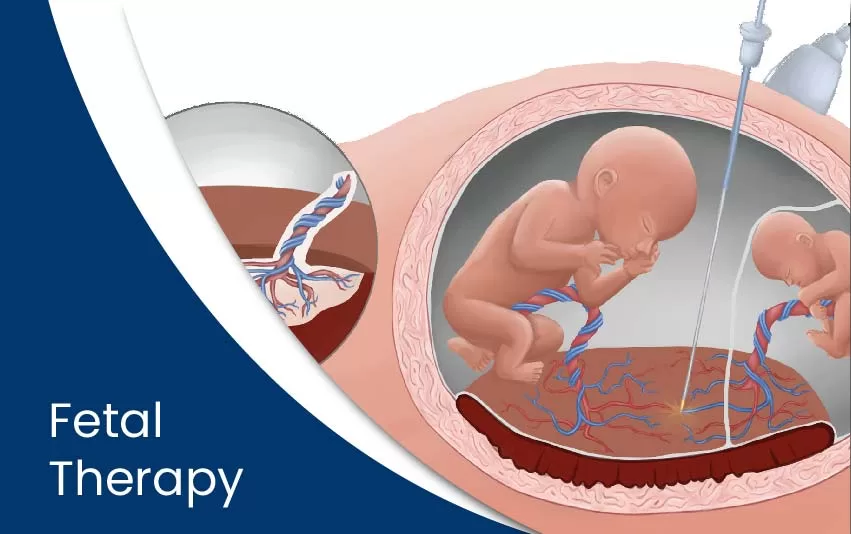
Fetal Therapy

Fetal therapy is a medical treatment that is performed on a fetus while it is still in the womb. The goal of fetal therapy is to correct or improve a condition that may affect the health of the fetus or the pregnancy. Some examples of conditions that may be treated with fetal therapy include congenital heart defects, chromosomal abnormalities, and certain infections.

There are several different types of fetal therapy, including:

  • Fetal surgery: This is a surgical procedure that is performed on the fetus while it is still in the womb. Examples of fetal surgery include repairing a congenital heart defect and removing a tumor.
  • Fetal intervention: This is a non-surgical procedure that is performed on the fetus while it is still in the womb. Examples of fetal intervention include placing a shunt to treat a condition called hydrocephalus and injecting medication to treat a chromosomal abnormality.
  • Fetal monitoring: This is the use of medical technology to monitor the health of the fetus during pregnancy. Examples of fetal monitoring include ultrasound and fetal heart rate monitoring.

Fetal therapy is typically only performed when the benefits of the treatment outweigh the risks. The decision to perform fetal therapy is made on a case-by-case basis and is based on a variety of factors, including the condition being treated, the stage of pregnancy, and the overall health of the mother and fetus.

Orkid is a premium hospital that offers excellent medical care for pregnant women whose unborn babies have health problems, known as fetal conditions.


Fetal Cardiology

The fetal cardiology department at Orkid hospital is an expert in the analysis and diagnosis of fetal heart disease before an infant is born. We offer the latest technology equipped most advanced treatments for maternal and child care under one roof with exceptional results in pediatric specialist care. 

Care for you and your baby involves:

  • Latest technology-equipped diagnosis and treatment
  • Detailed Planning and care of pre and post-delivery
  • Health management of your newborn after delivery

Who needs a Fetal Echocardiogram?

The team of Orkid looks after expectant families for a range of health needs, and advises a fetal echocardiogram for individuals who have:

  • A family history of congenital heart conditions
  • Conceiving through In Vitro Fertilization
  • Specific health conditions like diabetes
  • Expected heart conditions on testing while scanning

If any condition is found, then our team of heart specialists will help you monitor and treat your baby before and after birth. 


Perinatal Pathology

The perinatal pathology unit of Orkid hospital aims the study the placenta, fetus and neonate. We perform a comprehensive diagnosis of detecting congenital abnormalities, infections and other maternal/fetal conditions it might result in unfavorable perinatal outcomes such as premature birth, intrauterine growth restriction, or miscarriage. It is our aim to offer accurate diagnostic information that can impact the medicinal care for both mother and infant as well as for expectant mothers. 

Conditions encountered in infancy, childhood and young adulthood also fall under the realm of pediatric pathology. Our hospital has many experienced pathologists with expertise in diagnosing neoplastic and non-neoplastic pediatric conditions to provide the best possible care for every child. 

Genetic Counselling

Genetic Counselling

Clarity, Confidence & Informed Decisions for Your Family’s Future

At Oorkid Hospital & IVF Centre, we offer expert genetic counselling in Surat to help individuals and couples understand inherited health risks—without fear or confusion.

Genetic counselling is especially valuable when there is a family history of genetic disorders, repeated pregnancy loss, congenital conditions, or when planning pregnancy at an older age. Our goal is to provide clear, accurate information so you can make informed decisions with confidence.

What Is Genetic Counselling?

Genetic counselling is a specialised consultation that helps assess the risk of inherited conditions based on family history, medical background, and available diagnostic tests.

At Oorkid, we focus on interpreting what these risks actually mean—without assumptions or unnecessary anxiety—and guide you through relevant genetic screening and testing options.

What We Cover in Genetic Counselling

  • Detailed family history mapping and risk assessment
  • Understanding genetic conditions and inheritance patterns
  • Guidance on available prenatal genetic screening tests
  • Interpretation of test results (false positives vs real risks)
  • Planning for a safe and healthy pregnancy
  • Emotional support and next-step guidance

Our approach ensures you receive not just information, but meaningful clarity.

Who Should Consider Genetic Counselling?

You may benefit from genetic counselling before or during pregnancy if you have:

  • Family history of genetic disorders or birth defects
  • Recurrent miscarriages or unexplained pregnancy losses
  • Plans for IVF or donor-assisted pregnancy
  • Pregnancy after the age of 35
  • Concerns about inherited conditions
  • A desire for clarity before trying to conceive

Genetic Counselling & Pregnancy Planning

Genetic counselling plays an important role in preconception and prenatal care. It helps identify potential risks early and allows couples to plan pregnancy with better awareness and preparedness.

When needed, we guide you on appropriate tests such as carrier screening, prenatal screening, or diagnostic procedures—based on your individual situation.

Why Choose Oorkid for Genetic Counselling in Surat?

  • Women-led care team with 99% female staff
  • Experienced doctors with a patient-first approach
  • Clear explanation of risks without unnecessary fear
  • Evidence-based guidance on genetic testing
  • Integrated care with gynecology and fertility services
  • Emotional support and personalised counselling

Frequently Asked Questions (FAQs)

Is genetic counselling only needed during pregnancy?

No. It can be done before pregnancy (preconception) or during pregnancy, depending on your needs.

Do I need genetic testing if I have no family history?

Not always. Genetic counselling helps determine whether testing is necessary based on your individual risk.

Are genetic tests always accurate?

Genetic tests are highly informative, but results must be interpreted carefully. Counselling helps distinguish between actual risk and false alarms.

Will genetic counselling increase anxiety?

No. The purpose is to reduce uncertainty by providing clear, evidence-based information and guidance.

Make Informed Decisions with Confidence

If you are looking for reliable genetic counselling near Surat to understand inherited risks, plan pregnancy safely, or interpret genetic test results, Oorkid Hospital & IVF Centre is here to guide you with clarity and care.

Book your genetic counselling consultation today.
Because the right information leads to confident choices.

Hymen Restoration

Hymen restoration is a procedure that can be used to reconstruct the hymen, a thin membrane that partially covers the opening of the vagina. 

The torn hymen must be stitched back together during the process, occasionally using tissue from the sides of the vagina. At Orkid, our doctors and medical specialists will advise you on the best time to have a hymenoplasty so that you can profit from it. It is a quick outpatient procedure that is performed under local anesthetic.

Orkid has dedicated and experienced staff so that you feel during the procedure from start to end. You can call or email us [email protected] to have any of your questions addressed.

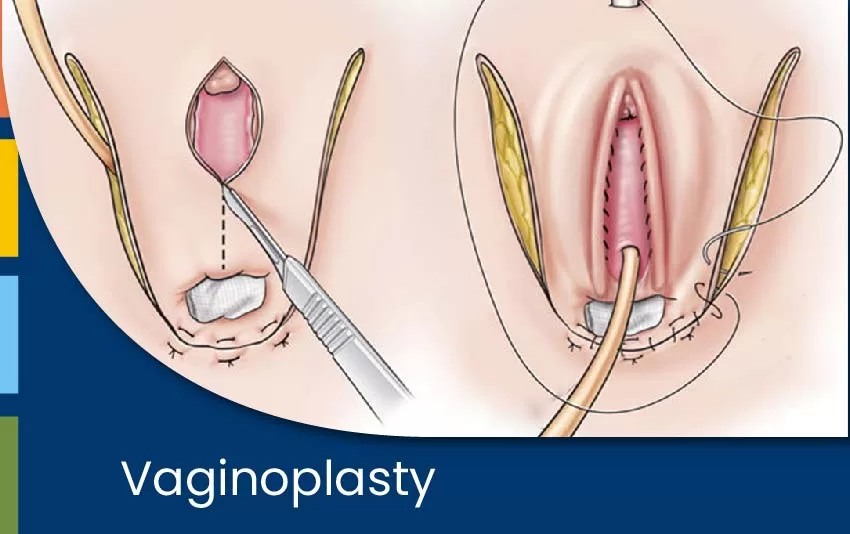
Vaginoplasty

Vaginoplasty, also known as vaginal rejuvenation or vaginal tightening, is a surgical procedure that aims to tighten and reshape the vaginal canal and surrounding structures. It may be performed for cosmetic or functional reasons, such as to improve sexual satisfaction or to repair damage caused by childbirth or aging. The procedure typically involves removing excess vaginal tissue, tightening the vaginal muscles and supporting structures, and creating a new vaginal opening. Recovery time can vary, but most patients can return to normal activities within a few weeks. However, sexual activity and strenuous exercise should be avoided for at least six weeks.

It is a serious decision and should be undertaken only after careful consideration and consultation with a qualified doctor. At Orkid our expert gynecological doctor performs these vaginal surgeries regularly and expertly. 

For more questions and queries, mail us at [email protected] 


Labiaplasty

Labiaplasty is a surgical procedure that involves reshaping the labia minora (the inner vaginal lips) or labia majora (the outer vaginal lips). It may be performed for cosmetic reasons, such as to reduce the size or shape of the labia, or for functional reasons, such as to relieve discomfort or pain caused by enlarged or asymmetrical labia.

The procedure might involve removing excess tissue, reducing the length of the labia, or reshaping the labia to make them more symmetrical. And is usually performed on an outpatient basis. 

This surgery is for women who might experience pain and discomfort while having sexual intercourse or while performing other activities. Labiaplasty can reshape your labia so that you can experience sexual pleasure and can take part in physical activities without feeling awkward and less confident. 

If you are looking for Labiaplasty in Surat, then Orkid is just a click away!