Contact Info

Contact us for support

+91 72111 78917
Contact Us

How to Take Care During the Period Between Egg Retrieval and Embryo Transfer

Opting for assisted reproductive technology is both an exciting and emotionally charged journey. According to Dr Kajal Mangukiya of Orkid Hospital one of the Best IVF Center in Surat among the various stages of in vitro fertilization (IVF), the period between egg retrieval and embryo transfer is a critical phase that requires careful attention and self-care. In this blog, Dr Kajal shares some proactive steps and lifestyle choices to optimize your physical and emotional well-being during this pivotal time.

1. Rest and Recovery

Following the egg retrieval procedure, your body needs time to heal. It’s essential to prioritize rest and recovery during the days that follow. Avoid strenuous physical activities, heavy lifting, and intense exercise. Allow yourself the luxury of restful nights and, if possible, take short breaks during the day to recharge. Adequate sleep and relaxation can contribute significantly to your overall well-being and support the body’s natural healing processes.

2. Hydration and Nutrition

Staying hydrated and maintaining a nutritious diet are crucial components of self-care during the post-retrieval phase. Hydration helps flush out toxins and supports the body’s natural processes. Opt for a well-balanced diet rich in fruits, vegetables, lean proteins, and whole grains. Consider incorporating foods with anti-inflammatory properties, such as berries, leafy greens, and fatty fish, to promote a healthy internal environment.

3. Medication Adherence

Following the egg retrieval, you may be prescribed medications to support the development and preparation of the uterine lining for embryo transfer. It’s imperative to adhere to your medication schedule given to you by the experts from the best infertility centre in Surat. Set alarms or reminders to ensure you take medications at the designated times. Consistency in medication adherence is critical for the success of the subsequent embryo transfer.

4. Open Communication with Your Care Team

Consulting the doctors at the best IVF hospital in Surat and maintaining open and transparent communication with your healthcare team is crucial throughout the IVF process. If you experience any unusual symptoms or have concerns about your recovery, promptly share them with your fertility specialist or nurse. They are there to provide guidance, answer questions, and address any uncertainties you may have. Regular check-ins with your care team will help ensure that you are on the right track for the embryo transfer.

5. Emotional Well-being and Coping Strategies

The period between egg retrieval and embryo transfer can be emotionally challenging. It’s normal to experience a range of emotions, from anticipation to anxiety. Engage in activities that bring you joy and relaxation, whether it’s reading, listening to music, or practicing mindfulness. Consider joining a support group or seeking professional counseling to connect with others who understand your journey and to explore effective coping strategies.

6. Gentle Exercise and Movement

While strenuous activities are to be avoided, incorporating gentle exercises into your routine can be beneficial. Activities such as walking, yoga, or light stretching can promote blood circulation, reduce stress, and enhance overall well-being. Always consult with your healthcare provider at the best test tube baby centre in Surat before starting any new exercise regimen to ensure it aligns with your individual situation.

7. Avoiding Harmful Substances

Steer clear of substances that can potentially impact fertility or the success of embryo implantation. Minimize alcohol consumption and avoid smoking or exposure to second hand smoke. Additionally, limit caffeine intake, as excessive caffeine consumption may negatively affect fertility. Adopting a lifestyle that minimizes exposure to harmful substances contributes to creating an optimal environment for the developing embryos.

8. Educate Yourself on the Embryo Transfer Process

Understanding the upcoming embryo transfer process can help alleviate anxiety. Take the time to educate yourself on what to expect during the transfer procedure, including any preparations or restrictions. Being well-informed allows you to approach the experience with a sense of empowerment and reduces the uncertainty surrounding this crucial step in the IVF journey.

9. Stay Positive and Practice Patience

IVF is a journey that requires resilience, patience, and a positive mindset. Understand that the path to parenthood may have its challenges, but each step is a unique part of your story. Focus on the positive aspects of your journey, celebrate small victories, and acknowledge your strength in navigating the complexities of fertility treatment.

Conclusion

The period between egg retrieval and embryo transfer is a critical phase in the IVF process, demanding both physical and emotional care. Prioritizing rest, adhering to medication schedules, maintaining open communication with your care team, and nurturing your emotional well-being are key components of successful self-care during this time. Remember, you are not alone on this journey, and with a combination of self-compassion and proactive steps, you can optimize your chances for a positive outcome during the subsequent embryo transfer.

Age and IVF Success: Can Age Affect The Success Of Your IVF Treatment?

Embarking on the journey of In Vitro Fertilization (IVF) is a profound decision that often intertwines hope, uncertainty, and a multitude of emotions. Among the myriad factors influencing IVF success, age emerges as a critical player, significantly impacting the odds of a positive outcome. In this exploration of the intricate relationship between age and IVF success, Dr. Kajal Mangukiya, one of the best gynaecologists in Surat, delves into the biological nuances, statistical insights, and the empowering knowledge that can guide individuals on this path to parenthood.

The Biological Clock:

The biological clock ticks steadily, influencing fertility in both men and women. However, for women, the age factor is particularly important, as emphasized by a doctor at one of the best infertility hospitals in Surat. As women age, the quantity and quality of their eggs naturally decline, impacting the likelihood of conception. This decline becomes more noticeable after the age of 35, with a more significant drop observed in the late 30s and early 40s.

  1. Egg Quantity: The ovarian reserve, representing the quantity of eggs a woman has, diminishes with age. A lower ovarian reserve can affect the number of viable eggs available for fertilization during IVF, directly impacting the chances of a successful treatment cycle.
  2. Egg Quality: Beyond quantity, the quality of eggs also diminishes with age. Older eggs are more prone to chromosomal abnormalities, increasing the risk of miscarriage and reducing the likelihood of a successful embryo implantation.

Statistical Realities:

Numerous studies and fertility clinics consistently highlight the correlation between age and IVF success rates. According to our experts at Orkid hospital & IVF centre, one of the best IVF centres in Surat, understanding these statistical realities can empower individuals to make informed decisions and manage expectations throughout the IVF journey.

  1. Under 35 Years Old: Women under the age of 35 generally experience higher success rates with IVF. The likelihood of a live birth per IVF cycle for this age group often exceeds 40%, offering a more optimistic outlook for those beginning fertility treatments at a younger age.
  2. 35–37 Years Old: As women enter their late 30s, IVF success rates begin to decline. However, individuals in this age bracket still have reasonable chances of success, with live birth rates ranging from 30% to 35% per cycle.
  3. 38–40 Years Old: The late 30s and early 40s mark a critical juncture where IVF success rates continue to decrease. Women in this age range may face success rates ranging from 20% to 25% per cycle, emphasizing the importance of timely intervention and realistic expectations.
  4. Over 40 Years Old: For women over 40, IVF success rates decline further. The odds of a live birth per cycle often fall below 10%, underlining the challenges associated with fertility treatments at an advanced age.

Factors Beyond Age:

While age undeniably plays a pivotal role, it’s crucial to recognize that other factors can influence IVF success, explains our fertility expert at Orkid hospital & IVF centre, one of the best IVF hospitals in Surat. These include overall health, lifestyle choices, underlying medical conditions, and the specific reasons for infertility. A holistic approach to fertility management, considering both age and these additional factors, can contribute to a more nuanced understanding of the potential outcomes.

  1. Male Factor Infertility: It’s essential to acknowledge that male factor infertility contributes significantly to overall fertility challenges. In cases where male infertility is a factor, age-related decline may not be as prominent. Addressing both partners’ fertility health is integral to achieving the best possible IVF outcomes.
  2. Lifestyle Factors: Smoking, excessive alcohol consumption, obesity, and poor diet can negatively impact fertility. Regardless of age, adopting a healthy lifestyle can positively influence IVF success rates. Maintaining a balanced diet, regular exercise, and avoiding harmful habits contribute to overall reproductive well-being.

Navigating the IVF Journey at Different Ages:

Understanding how age influences IVF success can guide individuals in tailoring their fertility treatment plans to align with their unique circumstances.

  1. Early 30s and Below: Younger individuals may have the luxury of time on their side, allowing for a more conservative approach to fertility treatments. However, proactive steps and early intervention can contribute to higher success rates, especially if underlying fertility issues are identified and addressed promptly.
  2. Late 30s to Early 40s: Individuals in this age range face a delicate balance between optimizing chances for success and recognizing the potential challenges associated with age-related fertility decline. Consulting with fertility specialists, exploring personalized treatment plans, and managing expectations become paramount during this phase.
  3. Over 40: While the odds may be more challenging for those over 40, success is still attainable. However, individuals in this age group may benefit from a more aggressive and proactive approach, potentially involving advanced reproductive technologies and considering donor egg options.

In brief:

Age and IVF success are undeniably intertwined, with age acting as a significant determinant of fertility outcomes. Acknowledging the impact of age, understanding the statistical landscape, and embracing a comprehensive approach to fertility management empower individuals to make informed decisions on their path to parenthood.

As the landscape of fertility treatments evolves, ongoing research and advancements offer hope and possibilities for individuals at various stages of life. While age may present challenges, it’s crucial to approach the IVF journey with resilience, informed decision-making, and a supportive network that understands the complexities of the fertility landscape. One should not shy away from consulting our specialists at Orkid hospital & IVF centre, one of the best test tube baby centres in Surat, as navigating the delicate dance between age and IVF success, individuals can embark on their parenthood journey with knowledge, empowerment, and a steadfast commitment to realizing their dreams of building a family.

Why Am I Facing Difficulty Conceiving? Over 20 Explanations Clarified by Your Fertility Specialist In Surat

The desire to bring new life into the world is a profound and cherished dream for countless individuals and couples. It’s a journey filled with boundless love and anticipation, and an affirmation to human resilience. But what if that dream remains elusive, shrouded in heartache and unanswered questions? If you find yourself facing the agonizing road of infertility, you’re not alone. It’s a path that can be emotionally tumultuous, but it’s essential to remember that you are not defined by your struggles. In this blog, we explore the deeply personal and often bewildering world of infertility, exploring over 20 potential reasons as explained by Dr. Kajal Mangukiya, one of the best gynaecologists in Surat at Orkid hospital & IVF centre, shedding light on the reasons behind your difficulty in conceiving and the hope that can be found along the way.

1. Age-related fertility decline

One of the most common factors affecting fertility is age. As women age, their ovarian reserve (the number and quality of eggs) naturally decreases. This decline in fertility starts to become noticeable in the late 20s and accelerates in the mid-30s.

2. Male factor infertility

It’s a common misconception that infertility is solely a female issue. Approximately one-third of infertility cases can be attributed to male factors, such as low sperm count, poor sperm motility, or abnormal sperm morphology. It’s needless to say that this can be cured by specialists at some of the best infertility hospitals in Surat.

3. Polycystic Ovary Syndrome (PCOS)

PCOS is a hormonal disorder that affects women of childbearing age. It can lead to irregular periods and ovulation problems, making it difficult to conceive.

4. Endometriosis

Endometriosis is a condition where tissue similar to the lining of the uterus grows outside the uterus. It can cause pelvic pain, inflammation, and infertility due to blocked fallopian tubes or adhesions.

5. Tubal factors

Blockages or damage to the fallopian tubes can prevent the egg and sperm from meeting, resulting in infertility.

6. Uterine factors

Uterine issues such as fibroids or polyps can interfere with implantation, making it difficult for a fertilized egg to establish a pregnancy. Getting them removed surgically at any of the best infertility centres in Surat can increase the chances of pregnancy dramatically.

7. Ovulation disorders

Problems with ovulation, like irregular or absent ovulation, can be a major factor in infertility. Conditions like hypothalamic amenorrhea and hyperprolactinemia can disrupt the menstrual cycle.

8. Male varicocele

A varicocele is a swelling of the veins that drain the testicles, and it can lead to a decrease in sperm quality and quantity.

9. Unexplained infertility

In some cases, despite thorough testing, the cause of infertility remains unidentified. This can be incredibly frustrating, but it’s not uncommon.

10. Weight-related factors

Both obesity and being underweight can impact fertility. Maintaining a healthy body weight is essential for reproductive health.

11. Stress

High levels of stress can disrupt hormonal balance and the menstrual cycle, potentially affecting fertility.

12. Lifestyle factors

Smoking, excessive alcohol consumption, and illicit drug use can harm reproductive health in both men and women.

13. Sexually transmitted infections (STIs)

Certain STIs, such as chlamydia and gonorrhoea, can lead to pelvic inflammatory disease (PID), which can cause scarring and damage to the reproductive organs.

14. Medications

Some medications, including those for cancer treatment, autoimmune disorders, and chronic illnesses, can affect fertility.

15. Radiation and chemotherapy

Cancer treatments like radiation and chemotherapy can have long-term effects on fertility. It’s crucial to discuss fertility preservation options with your healthcare team before undergoing these treatments.

16. Pelvic inflammatory disease (PID)

PID is an infection of the female reproductive organs and can lead to scarring and damage, resulting in infertility.

17. Thyroid disorders

Both hyperthyroidism and hypothyroidism can disrupt the menstrual cycle and affect fertility. Proper thyroid management is crucial for those trying to conceive.

18. Autoimmune disorders

Certain autoimmune conditions, such as antiphospholipid syndrome and lupus, can cause recurrent pregnancy loss.

19. Genetic factors

Some genetic conditions can affect fertility, either directly or indirectly. Genetic testing and counselling may be necessary in certain cases.

20. Environmental factors

Exposure to environmental toxins, such as pesticides, heavy metals, and chemicals, can impact reproductive health.

21. Anatomical issues

Structural problems in the reproductive organs, like a septate uterus, can hinder fertility by interfering with implantation or proper functioning.

Conclusion

Infertility is a complex issue with numerous potential causes. If you’re struggling to conceive, it’s essential to consult with a fertility specialist who can help identify the underlying problem and create a personalized treatment plan. Remember that you’re not alone, and there are various medical interventions, lifestyle changes, and support networks available to help you on your journey to parenthood. Facing infertility can be a challenging experience, but with the right guidance and support, many couples can overcome these obstacles and fulfill their dreams of becoming parents.

Orkid hospital and IVF Centre provide the patients with the best treatment to overcome the infertility issues with confidence and hope. As one of the best infertility hospitals in Surat, our team of trained fertility experts, advanced technology, and individualized treatment plans have enabled us to achieve such success. Let us start this parenting journey together, where our empathy, expertise, and innovation will unite to bring your dreams to life, and make your desire for a family come true.

Your Guide To IVF: Navigating the Path to Parenthood With the best Infertility Hospital in Surat

The journey to parenthood is a profound and deeply personal one. It’s a path filled with dreams, hope, and, for many, challenges. In recent years, in vitro fertilization (IVF) has emerged as a beacon of hope for couples facing infertility. Being one of the best test tube baby centres in Surat, we at Orkid Hospital understand the significance of this journey and are dedicated to providing guidance and support every step of the way. Today, we embark on a comprehensive exploration of IVF, addressing crucial aspects such as genetic testing, cost considerations, live birth weight, and how to choose the right IVF practice.

Genetic Testing in IVF

1. Preimplantation Genetic Testing (PGT): PGT involves screening embryos for genetic abnormalities before implantation. This procedure can help identify healthy embryos, reducing the risk of genetic disorders and miscarriages.

2. PGT-A (Aneuploidy Screening): PGT-A screens embryos for chromosomal abnormalities. It helps select embryos with the correct number of chromosomes, increasing the chances of a successful pregnancy and reducing the risk of miscarriage.

3. PGT-M (Monogenic Disorders): PGT-M is designed for couples with known genetic conditions. It allows for the identification of embryos free of specific genetic disorders, giving families the opportunity to have healthy children.

How Much Does IVF Cost?

The cost of IVF varies depending on several factors, including geographic location, the IVF practice, and individual treatment needs. On average, IVF can range from Rs. 75,000 to Rs 2,50,000. However, the cost varies depending on multiple factors. It’s essential to consult the best infertility hospital in Surat to understand the cost of treatment tailored to your needs.

IVF and Live Birth Weight

Research has shown that IVF may be associated with a slightly higher risk of low birth weight and preterm birth compared to natural conception. However, these risks are often influenced by multiple factors, including maternal age, underlying health conditions, and the number of embryos transferred. Your fertility specialist at the best IVF centre in Surat will work closely with you to minimize potential risks and ensure the best possible outcome for both you and your baby.

How to Choose an IVF Practice

Selecting the right IVF practice is a crucial step in your journey to parenthood. Here are some factors to consider when making this important decision:

1. Reputation and Success Rates: Research the success rates of the best IVF hospitals in Surat. High success rates indicate a strong track record of helping couples achieve their goals. Read patient testimonials and ask for referrals from friends or support groups.

2. Expertise and Experience: Look for a practice with experienced fertility specialists and embryologists. The knowledge and skill of the medical team are critical for your IVF success.

3. Personalized Treatment Plans: Every infertility case is unique. Choose a practice that offers personalized treatment plans tailored to your specific needs and circumstances.

4. Comprehensive Services: Ensure that the IVF practice provides a wide range of services, including genetic testing, egg freezing, and fertility preservation. Having all these services under one roof can simplify your journey.

5. Patient-Centric Approach: A compassionate and patient-centric approach is vital. You should feel comfortable, supported, and well-informed throughout the process.

6. Cost Transparency: Understand the full cost of treatment, including any potential hidden fees. A transparent pricing structure can help you plan your finances effectively.

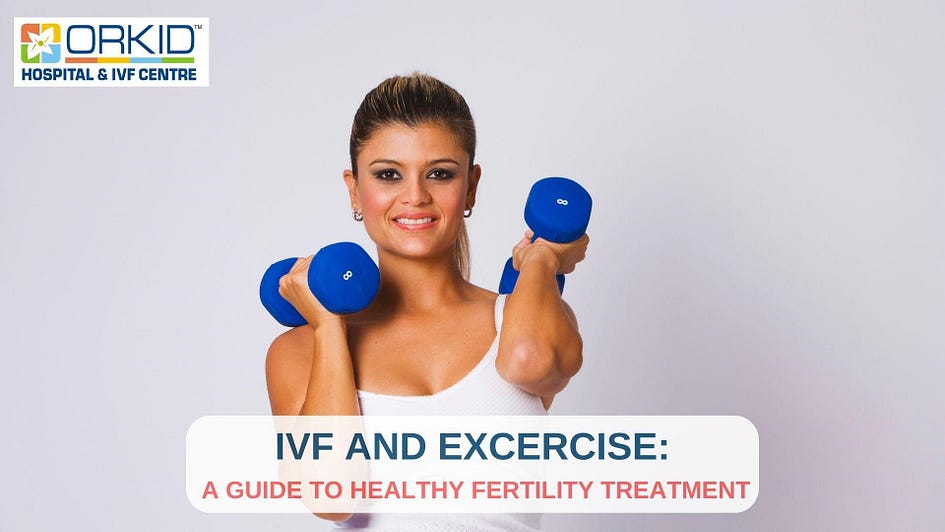
IVF and Exercise: A Guide to Healthy Fertility Treatments

A Guide to Healthy Fertility Treatments

The journey toward parenthood can be a rollercoaster of emotions, hope, and challenges. In this quest, in vitro fertilization (IVF) has become a beacon of hope for many couples struggling with infertility. It’s a path filled with dedication and perseverance. As one of the Best IVF centres in Surat, we at Orkid Hospital understand the importance of providing comprehensive guidance every step of the way. Let’s bust some myths surrounding IVF and physical activity, all while keeping your dreams of parenthood at the forefront of our discussion.

Is it Possible to Engage in Physical Activity During an IVF Cycle?

The short answer is yes, it’s generally possible to engage in physical activity during an IVF cycle. However, the extent and type of exercise may vary depending on individual circumstances and where you are in your IVF journey.

How Might Physical Activity Impact Your IVF Treatment?

  1. Stress Reduction: Exercise can be an excellent stress reliever. IVF can be emotionally taxing, and engaging in physical activity, whether it’s yoga, walking, or jogging, can help reduce stress levels and improve overall well-being.
  2. Blood Flow: Physical activity can promote better blood circulation, which can be beneficial for the uterine lining and overall reproductive health. Improved blood flow may help support a successful implantation.
  3. Weight Management: Maintaining a healthy weight is essential for fertility. Exercise can help you achieve and maintain a healthy weight, which can positively impact your IVF outcomes.

Can Physical Activity Influence the Medication Phase of an IVF Cycle?

During the medication phase of an IVF cycle, your doctor will prescribe specific medications to stimulate egg production and regulate your reproductive hormones. While moderate exercise is generally acceptable, it’s crucial to follow your doctor’s advice regarding the level of physical activity. Strenuous exercise may need to be limited during this phase to prevent any potential complications or discomfort.

How Can Exercise Impact Egg Retrieval?

Egg retrieval is a critical step in the IVF process. It involves the removal of mature eggs from the ovaries for fertilization. Leading up to this procedure, it’s advisable to be cautious about engaging in high-impact or strenuous exercises that could potentially lead to ovarian torsion or discomfort. Always consult the best infertility centre in Surat for personalized guidance regarding exercise in the days leading up to egg retrieval.

Can I Start Exercising After an Embryo Transfer?

After the embryo transfer, it’s generally safe to resume light to moderate exercise. However, it’s essential to listen to your body and avoid any activities that cause discomfort or excessive strain. Gentle activities like walking or gentle yoga can be excellent choices during this time. Remember that your body has just undergone a significant procedure, so prioritize rest and self-care.

Which Exercises Should I Avoid During an IVF Cycle?

While it’s encouraged to stay active during your IVF journey, there are specific exercises and activities to approach with caution:

● Activities like running, jumping, and high-intensity interval training (HIIT) can put unnecessary strain on the reproductive organs during the medication and egg retrieval phases. It’s best to avoid these activities during these times.

● Lifting heavy weights can cause strain and discomfort, especially during the medication phase and immediately after egg retrieval. Some of the best IVF hospitals in Surat recommend lifting lighter weights or bodyweight exercises during these periods.

● Excessive heat can negatively impact embryo development and implantation. It’s advisable to avoid hot yoga, hot baths, saunas, or other activities that elevate your body temperature during your IVF cycle.

● While cardiovascular exercise is generally beneficial, excessive cardio workouts can lead to stress and fatigue, which can be counterproductive during your IVF journey.

Conclusion

Exercise can be a valuable component of your IVF journey, promoting overall health and well-being. However, it’s crucial to strike a balance between staying active and listening to your body’s needs.

IVF is a remarkable tool that has helped countless individuals and couples achieve their dreams of having a family. As you embark on this path, remember that your emotional well-being is as vital as your physical health. At Orkid Hospital, we understand the importance of not only providing exceptional medical care but also addressing your holistic well-being and that’s why we are known as one of the best test tube baby centres in Surat.

A Ray of Hope: When and Why to Schedule a Consultation with a Fertility Specialist In Surat

In the symphony of life, the desire to bring a new melody into the world often occupies a special place in our hearts. The pitter-patter of tiny feet, the soft cooing of a newborn, and the radiant glow of parenthood are dreams cherished by many. For some, it is a seamless path, while for others, it may be laden with challenges. Infertility is a complex and emotional journey that millions face silently, but hope is not lost.

When should you seek guidance from a fertility specialist, and what are the reasons that call for this critical step? Let us delve into these questions, guided by the unwavering commitment of Orkid Hospital, one of the best infertility hospitals in Surat to provide expert care and support on this profound journey.

When to Consider a Consultation?

1. After One Year of Trying: The first rule of thumb in seeking help from a fertility specialist is to trust your intuition. If you and your partner have been trying to conceive for a year without success (or six months if you’re over 35), it’s time to take the proactive step of scheduling a consultation. Sometimes, there might be underlying issues that need medical attention, and early intervention can make all the difference.

2. Irregular Menstrual Cycles: Irregular menstrual cycles can be an indicator of hormonal imbalances or conditions like polycystic ovary syndrome (PCOS), which can affect fertility. If your menstrual cycles are consistently irregular, it’s essential to seek the expertise of a fertility specialist.

3. Recurrent Miscarriages: Suffering the heartbreak of recurrent miscarriages is a devastating experience. After two or more consecutive miscarriages, it’s crucial to consult a fertility centre in Surat where we can investigate potential causes and develop a personalized treatment plan to increase your chances of a successful pregnancy.

4. Age-Related Concerns: As women age, their fertility naturally declines. If you’re over 35 and have been trying to conceive for six months without success, it’s advisable to consult the best gynaecologists in Surat. Early intervention can be especially vital in such cases.

5. Known Medical Conditions: If you or your partner have known medical conditions that can affect fertility, such as endometriosis or a history of cancer treatment, seeking the guidance of a fertility specialist is recommended. They can provide insights and strategies tailored to your specific situation.

6. Male Fertility Issues: Fertility challenges are not limited to women. Male infertility can also play a significant role. If you suspect male fertility issues, such as low sperm count or motility, consulting with a specialist is essential. Modern medicine offers various options for male infertility treatment.

7. Lifestyle Factors: Sometimes, lifestyle factors such as obesity, excessive stress, or substance abuse can hinder fertility. A fertility specialist can help you identify and address these issues, making necessary lifestyle adjustments to improve your chances of conception.

8. Unexplained Infertility: In some cases, couples may experience unexplained infertility, where no clear cause can be identified. Fertility specialists are trained to investigate such cases thoroughly and provide tailored treatment options.

Reasons to Seek a Fertility Specialist

Seeking a fertility specialist is not just about addressing medical concerns; it’s also about finding support and hope. These specialists are dedicated to guiding you through the emotionally challenging journey of infertility. Here’s why you should consider consulting one:

1. Expertise and Guidance: Fertility specialists are highly trained and experienced in diagnosing and treating fertility issues. They can offer expert guidance and create a personalized treatment plan tailored to your unique needs.

2. Emotional Support: Infertility can be emotionally draining. Fertility specialists understand the emotional toll it takes and offer compassionate support. They provide a safe space to discuss your fears, frustrations, and hopes.

3. Advanced Technologies: Fertility specialists have access to cutting-edge technologies and treatments that can significantly improve your chances of conceiving. From in vitro fertilization (IVF) to fertility-preserving surgeries, they can explore a range of options with you.

4. Comprehensive Evaluation: Fertility specialists conduct thorough evaluations to identify any underlying issues. This comprehensive approach helps uncover hidden obstacles and ensures you receive the most appropriate treatment.

Conclusion

The journey to parenthood can be filled with uncertainty and heartache, but it can also be illuminated by hope and resilience. As one of the best infertility center in Surat, Orkid Hospital understands the profound desire for parenthood and the challenges that can accompany it. We are committed to walking alongside you, offering not just medical solutions but also a compassionate embrace during every step of your fertility journey. Because in the darkest moments, it’s the glimmer of hope that can lead you to the brightest of days.

10 Best Ways to Improve IVF Success Rate at the Best Infertility Centre in Surat

For couples struggling to conceive, in-vitro fertilization (IVF) can seem like the light at the end of a tunnel. While it’s an effective reproductive technology, IVF success rates can vary. If you’re considering IVF or have already embarked on this journey, you’ll be glad to know that there are several strategies you can employ to boost your chances of a successful outcome. Let’s explore ten best ways to improve your IVF success rate.

What is IVF and Who Needs It?

Before talking about improving the success rate of IVF, let’s understand what IVF is and who can opt for this treatment:

In vitro fertilization (IVF) is a fertility treatment that assists individuals or couples who face challenges conceiving naturally. This assisted reproductive technology involves the combination of a woman’s egg and a man’s sperm in a laboratory dish, creating an embryo. The resulting embryo(s) are then transferred into the woman’s uterus, with the hope of achieving a successful pregnancy.

IVF is recommended for various groups of people:

– When a couple has been trying to conceive for a significant period without success, and no identifiable cause is found, IVF may be suggested as a viable option.

– Conditions like tubal blockages or damage can prevent the natural meeting of egg and sperm. IVF bypasses this issue by fertilizing the egg outside the body.

– IVF can help couples where the male partner has low sperm count, poor sperm motility, or other sperm-related problems.

– Women over 35 may experience decreased fertility. IVF can be a valuable option for older women who wish to become pregnant.

– Certain medical conditions, such as endometriosis or polycystic ovary syndrome (PCOS), may necessitate IVF to overcome fertility challenges.

Now, let’s get back to knowing how to increase the success rate of IVF:

Choose the Right Fertility Clinic

Selecting the right healthcare provider plays a crucial role in your IVF journey. Research and choose the Best IVF Centre in Surat Look for clinics with experienced fertility specialists, a state-of-the-art laboratory, and a track record of successful IVF procedures.

Consult a Skilled Fertility Specialist

Once you’ve chosen the best IVF hospital in Surat, schedule a consultation with a skilled fertility specialist. Discuss your medical history, previous fertility treatments, and any underlying issues that might affect your chances of success. A personalized approach to treatment is key.

Optimize Your Lifestyle

Healthy lifestyle choices can significantly impact your IVF success rate. Maintain a balanced diet, engage in regular exercise, manage stress through relaxation techniques, and avoid smoking or excessive alcohol consumption. A nutritionist’s guidance can be beneficial.

Undergo Pre-Implantation Genetic Testing (PGT)

Preimplantation genetic testing can increase the chances of a successful IVF cycle. It helps identify genetically normal embryos, reducing the risk of miscarriage and chromosomal abnormalities. Discuss the option of PGT with your fertility specialist.

Synchronize Your Cycle

Synchronization of the menstrual cycle with your donor or surrogate (if applicable) can improve the likelihood of successful embryo implantation. Your fertility specialist will guide you on the best approach to achieve synchronization.

Address Underlying Health Issues

Unresolved health issues can hinder the success of IVF. Conditions like polycystic ovary syndrome (PCOS) or endometriosis should be managed before starting treatment. The best infertility hospital in Surat will provide comprehensive care.

Stimulate Ovulation Wisely

Ovarian stimulation is a crucial step in IVF. Your fertility specialist will carefully tailor the medication protocol to your specific needs. Too much or too little stimulation can impact the outcome, so trust your medical team’s expertise.

Embryo Grading and Selection

In consultation with your fertility specialist, choose the best embryos for transfer. Advancements in embryo selection techniques, such as time-lapse imaging, can aid in selecting the most viable embryos.

Blastocyst Transfer

Opting for a blastocyst transfer rather than a day 3 embryo transfer can improve the odds of a successful IVF cycle. Blastocysts are typically more developed and have a higher chance of implantation.

Follow Your Doctor’s Instructions

Strictly follow your fertility specialist’s post-IVF guidelines. These may include bed rest, medication schedules, and dietary restrictions. Adhering to these instructions can make a significant difference in the success of your IVF cycle.

Conclusion

Improving your IVF success rate requires a combination of informed choices, personalized care, and the expertise of a dedicated medical team. Start by selecting the Best IVF hospital in Surat and consulting a skilled fertility specialist. Optimize your lifestyle, address any underlying health issues, and consider advanced techniques like preimplantation genetic testing and blastocyst transfer.

Remember that IVF success rates can vary from person to person, and sometimes multiple attempts may be necessary. Stay positive, seek support from loved ones, and don’t hesitate to reach out to the Best Infertility Centre in Surat for assistance throughout your IVF journey. With determination and the right strategies in place, you can increase your chances of fulfilling your dream of parenthood through IVF.

Bursting Fertility Myths: By the Best Gynaecologist in Surat

In the world of fertility and reproductive health, myths and misconceptions abound. These myths can often lead to unnecessary stress, confusion, and even delay in seeking the help of a qualified healthcare professional. If you’re on a fertility journey or know someone who is, it’s essential to separate fact from fiction. In this blog, we’ll debunk some common fertility myths and highlight the importance of seeking treatment from the Best Gynaecologist in Surat for your needs.

Myth 1: Fertility Issues Only Affect Women

Fact: Fertility is a shared responsibility between both partners. Approximately one-third of fertility problems are due to female factors, one-third due to male factors, and the remaining third due to a combination of both or unknown causes. Seeking help from the best infertility hospital in Surat involves assessing both partners’ reproductive health.

Myth 2: Infertility Is Only a Woman’s Problem

Fact: This myth couldn’t be further from the truth. Men can also face infertility issues, such as low sperm count, poor sperm motility, or structural problems. To rule out male factors in fertility struggles, it’s crucial for both partners to undergo evaluation and testing at a reputable infertility hospital in Surat.

Myth 3: Infertility Is Always Linked to Age

Fact: While it’s true that female fertility generally declines with age, infertility can affect individuals at any stage of their reproductive years. Dr Kajal Manguliya, one of the best gynaecologists in Surat says that various factors, including lifestyle choices, underlying health conditions, and genetic factors, can impact fertility. Consult a gynaecologist for a personalized assessment, regardless of your age.

Myth 4: You Can’t Get Pregnant If You Have Irregular Periods

Fact: Irregular periods can make it more challenging to predict ovulation, but they do not necessarily mean you cannot conceive. Irregular periods can be due to various factors, including hormonal imbalances, polycystic ovary syndrome (PCOS), or stress. A consultation with a qualified gynaecologist in the best infertility hospital in Suracan help identify and address the underlying cause of irregular periods.

Myth 5: You Can’t Get Pregnant While Breastfeeding

Fact: While breastfeeding can suppress ovulation and delay fertility in some women, it is not a foolproof method of contraception. Ovulation can still occur, even if you are breastfeeding. If you wish to avoid pregnancy, it’s essential to use a reliable contraceptive method or consult your gynaecologist for advice.

Myth 6: If You’ve Had a Child Before, You Can’t Be Infertile

Fact: Secondary infertility, where a couple experiences difficulty conceiving after previously having a child, is a real concern. It may be due to various factors, including changes in health, age, or underlying conditions that have developed since the birth of the first child. If you’re struggling to conceive again, it’s crucial to seek guidance from a fertility specialist.

Myth 7: Relaxation Alone Can Cure Infertility

Fact: While reducing stress is essential for overall well-being, infertility is a medical condition that often requires specialized treatment. Suggesting that relaxation alone can cure infertility oversimplifies the complex factors involved. Consult a fertility expert to explore appropriate treatment options.

Myth 8: Fertility Treatments Always Result in Multiple Births

Fact: Fertility treatments, such as in vitro fertilization (IVF), can indeed increase the chances of multiple pregnancies. However, advancements in reproductive medicine allow for more precise control over the number of embryos transferred, reducing the risk of multiples. Your fertility specialist will work with you to determine the most appropriate approach.

Myth 9: Eating Certain Foods Can Guarantee Fertility

Fact: While maintaining a healthy diet is essential for overall health, no specific food or superfood can guarantee fertility. However, maintaining a balanced diet, managing weight, and staying physically active can support reproductive health. Consult with a nutritionist alongside your gynaecologist for personalized dietary guidance.

Myth 10: You Should Wait for Certain Number of Years Before Seeking Help

Fact: If you’ve been trying to conceive without success for six months to a year (depending on age), it’s advisable to seek guidance from a qualified gynaecologist or fertility specialist. Early intervention can often lead to more successful outcomes, making it crucial not to delay seeking help.

Conclusion

Fertility myths can be misleading and contribute to unnecessary stress for individuals and couples on their journey to parenthood. To navigate the complex world of fertility and reproductive health, it’s essential to consult with the best gynaecologist in Surat. Armed with accurate information and expert guidance, you can make informed decisions and take proactive steps toward achieving your dream of building a family. Remember, fertility challenges are common, but with the right support, many couples can overcome them and experience the joy of parenthood.

What Happens in a Gynaecological Check-up?Insights From Our Expert Gynaecologist In Surat

Regular gynaecological check-ups are an essential part of a woman’s overall health and wellness. These check-ups are a proactive approach to maintaining reproductive and gynaecological health, allowing early detection and treatment of potential issues. In this blog, we will take you through what happens during a gynaecological check-up, providing insights from Dr. Kajal Mangukiya, one of the Best gynaecologists in Surat at Orkid Hospital & IVF centre. Whether you’re due for your next appointment or curious about what to expect, read on to gain a better understanding of this crucial aspect of women’s healthcare.

The Importance of Gynaecological Check-ups

Before delving into the specifics of a gynaecological check-up, it’s vital to understand why these appointments are essential. Gynaecological check-ups are designed to:

1. Screen for and detect health issues: Regular check-ups help identify and address potential reproductive and gynaecological health problems early, increasing the chances of successful treatment.

2. Promote overall health: A gynaecological check-up isn’t just about reproductive health. It also assesses your general well-being, including factors like blood pressure, weight, and lifestyle choices.

3. Educate and empower: During these appointments, you can ask questions, discuss concerns, and receive valuable information about contraception, family planning, and other women’s health topics.

4. Establish a doctor-patient relationship: Building a rapport with your gynaecologist allows for more effective communication and personalized care.

Now, let’s dive into the various components of a typical gynaecological check-up that occurs at Orkid Hospital & IVF centre, considered as one of the best infertility hospital in Surat :

1. Medical History and Discussion

Every gynaecological check-up begins with a conversation between you and your gynaecologist. They will inquire about your medical history, including any existing conditions, medications, surgeries, and family medical history. This information helps the gynaecologist understand your unique health needs and identify potential risk factors.

Feel free to discuss any concerns, symptoms, or changes you’ve noticed in your reproductive health. Whether it’s irregular periods, pelvic pain, or changes in your menstrual cycle, open communication is crucial for an accurate diagnosis and appropriate treatment.

2. Physical Examination

A comprehensive physical examination is a core component of a gynaecological check-up. Your gynaecologist will perform a series of examinations to assess your reproductive and overall health. These may include:

– Breast Examination: To check for lumps, masses, or abnormalities in the breast tissue.

– Pelvic Examination: To assess the health of your reproductive organs, including the uterus, ovaries, and cervix. This examination typically involves the use of a speculum.

– Pap Smear: A screening test to detect early signs of cervical cancer by collecting cells from the cervix for analysis.

– Bimanual Examination: Your gynaecologist will use their fingers to check for any abnormalities or discomfort in the pelvic area.

While these examinations may be uncomfortable, they are essential for detecting gynaecological conditions in their early stages.

3. Sexually Transmitted Infection (STI) Testing

Depending on your sexual history and risk factors, your gynaecologist may recommend STI testing. This can involve blood tests or swabs to check for infections such as chlamydia, gonorrhoea, or HIV. Early detection and treatment of STIs are crucial for preventing long-term health complications and transmission to sexual partners.

4. Contraception and Family Planning

Your gynaecological check-up is an excellent opportunity to discuss contraception and family planning options with your healthcare provider. Whether you’re considering birth control pills, an intrauterine device (IUD), or other methods, your gynaecologist can provide guidance based on your preferences and medical history.

They can also discuss fertility concerns and provide advice on planning for future pregnancies or addressing fertility challenges by guiding you to the best infertility hospitals in Surat.

5. Cancer Screening

Cancer screening is a vital aspect of gynaecological check-ups, with a focus on breast and cervical cancer:

– Mammogram: For women aged 40 and above, regular mammograms are recommended to detect breast cancer early.

– HPV Testing: In addition to Pap smears, HPV testing may be performed to screen for high-risk strains of the human papillomavirus, which can lead to cervical cancer.

Your gynaecologist will recommend an appropriate screening schedule based on your age, medical history, and risk factors.

Conclusion

Gynaecological check-ups are an integral part of maintaining women’s health and wellness. By providing a thorough assessment of reproductive and gynaecological health, these appointments empower women to take control of their well-being. Regular check-ups facilitate early detection and treatment of health issues, promote open communication with healthcare providers, and support informed decisions about contraception and family planning.

If you’re due for your next gynaecological check-up, don’t hesitate to schedule an appointment with our trusted gynaecologist at Orkid Hospital & IVF centre, considered as one of the best infertility centres in Surat. These consultations also forewarn you against any infertility issues so that you can address them in time.

Debunking Common Myths About IVF: Separating Fact from Fiction

In the realm of assisted reproductive technologies, few procedures have garnered as much attention and misinformation as In Vitro Fertilization (IVF). As a beacon of hope for couples facing infertility, IVF has transformed the lives of many, yet it remains shrouded in myths and misconceptions. We at Orkid Hospital, being one of the best IVF hospitals in Surat, are dedicated to dispelling these myths and providing accurate information. In this comprehensive blog, we delve into some of the most common myths about IVF and shed light on the realities of this groundbreaking procedure as concurred by the expert doctors of Orkid Hospital.

Myth 1: IVF is the Last Resort

It’s a common misconception that IVF is a last-ditch effort after exhausting all other options. In reality, IVF is one of several fertility treatments available, and its recommendation depends on the specific circumstances of each couple. IVF may be suggested earlier in the treatment process if other methods are unlikely to yield success. Consulting a qualified fertility specialist at Orkid Hospital ensures that you receive personalized recommendations based on your unique situation.

Myth 2: IVF Guarantees Multiple Pregnancies

While it’s true that IVF can result in multiple pregnancies, the goal is typically to achieve a healthy singleton pregnancy. Advances in IVF protocols and techniques, such as single embryo transfer (SET), have significantly reduced the occurrence of multiples. The number of embryos transferred is carefully determined by your medical team, with the aim of maximizing the chances of a successful pregnancy while minimizing the risks associated with multiples.

Myth 3: IVF Always Results in Twins or Triplets

Contrary to popular belief, IVF does not always lead to twins or triplets. The number of embryos transferred, the quality of the embryos, and the age of the woman all play a role in the likelihood of multiple pregnancies. With advancements in embryo screening and selection, the focus is on achieving a healthy pregnancy with a single embryo whenever possible.

Myth 4: IVF is Painful and Risky

While IVF involves certain medical procedures, they are generally well-tolerated and closely monitored by our experts at Orkid Hospital, the best IVF centres in Surat . The discomfort experienced during IVF is usually minimal, akin to menstrual cramps. As with any medical procedure, there are potential risks, but they are managed through careful assessment, personalized treatment plans, and ongoing patient support.

Myth 5: IVF is Only for Women with Fertility Issues

IVF is not solely intended for women with fertility issues. It is a versatile option that can address a range of challenges, including male factor infertility, genetic concerns, and unexplained infertility. Same-sex couples and individuals who wish to have biological children also benefit from IVF. That’s why it is crucial to consult one of the best test tube baby centres in Surat. The fertility specialists from these centres consider all factors contributing to infertility when recommending the most suitable treatment approach.

Myth 6: IVF Babies Are Not as Healthy as Naturally Conceived Babies

This myth is completely unfounded. Extensive research has shown that there is no significant difference in the health and well-being of babies conceived through IVF compared to those conceived naturally. Factors such as maternal age and overall health have a more substantial impact on the health of the baby than the method of conception.

Myth 7: IVF is Always Successful on the First Try

While IVF has a high success rate, achieving pregnancy may require multiple cycles for some couples. Success rates can vary depending on factors such as age, underlying health conditions, and the quality of embryos. Orkid Hospital’s fertility experts work closely with each patient to optimize treatment plans and increase the likelihood of a successful outcome.

Myth 8: IVF is Only for Younger Women

While age does impact fertility, IVF can be successful for women of varying ages. Older women may require additional considerations and personalized approaches, but IVF remains a viable option. The decision to pursue IVF should be based on an individual assessment by a fertility specialist consulting in some of the best infertility centres in Surat and can provide accurate guidance.

Conclusion

With regards to fertility treatments, it’s crucial to separate fact from fiction. IVF is a powerful tool that has transformed the lives of countless individuals and couples. By dispelling common myths and providing accurate information, Orkid Hospital aims to empower those considering IVF with the knowledge and confidence to make informed decisions. If you’re on the path to parenthood, remember that IVF is a viable option backed by science, expertise, and compassionate care.