Contact Info

Contact us for support

+91 72111 78917
Contact Us

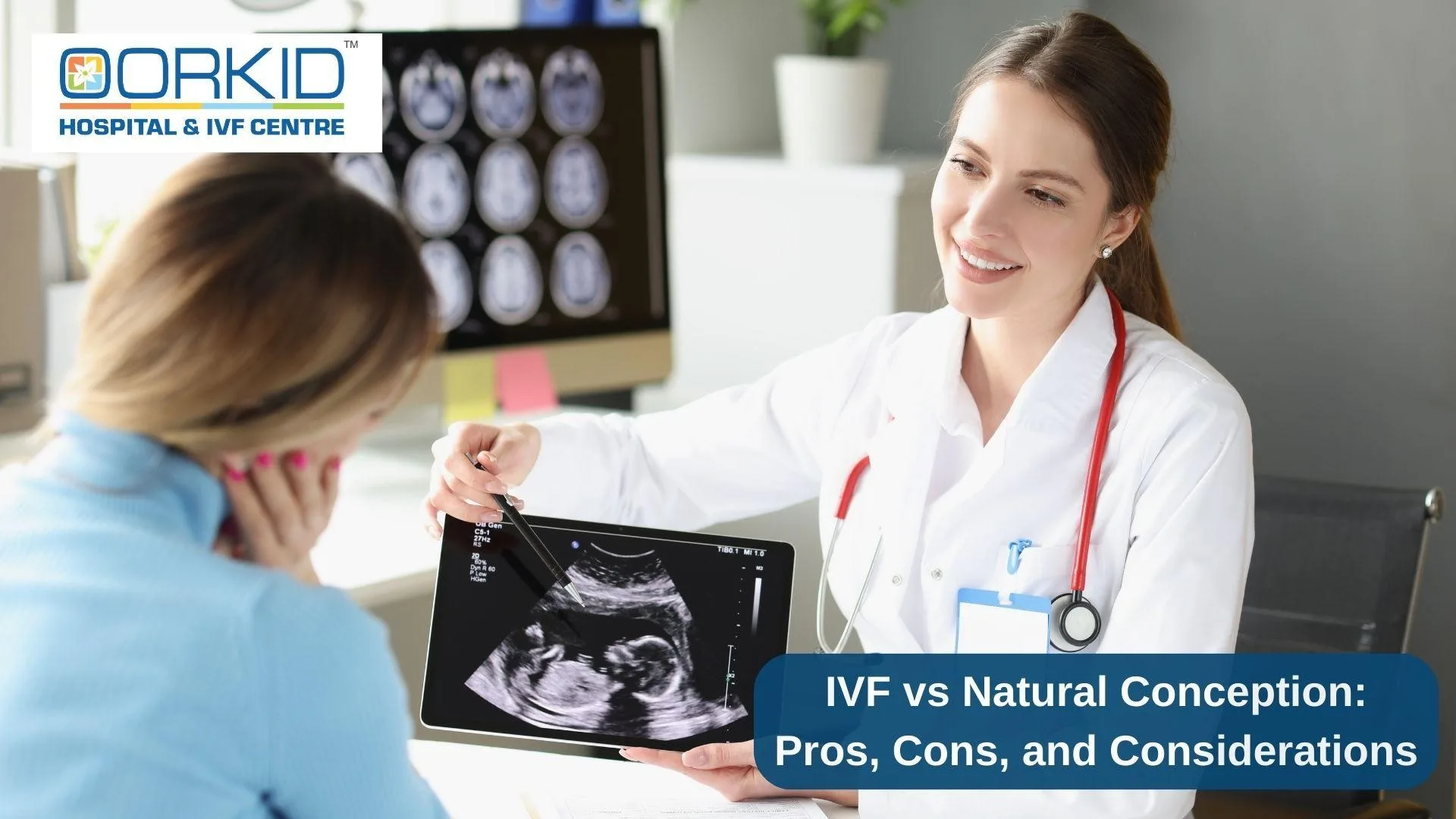
IVF vs. Natural Conception: Pros, Cons, and Considerations As Explained By The Best Gyno In Surat

The decision between IVF (In Vitro Fertilization) and natural conception is a pivotal one, laden with hopes, expectations, and practical considerations. Both avenues offer distinct pros and cons, and understanding them is crucial for couples navigating the complex landscape of fertility treatments. In this blog, Dr Kajal Mangukiya, founder of Oorkid Hospital & IVF Centre which is well-known as one of the best infertility hospitals in Surat, helps us in understanding the intricacies of IVF versus natural conception along with their benefits, drawbacks, and essential considerations.

The Power of Natural Conception

Natural conception, the age-old method by which most of humanity has come into existence, holds a special allure for many couples. Its primary allure lies in its simplicity and spontaneity. Through natural conception, the union of egg and sperm occurs within the female reproductive system, often without medical intervention or assistance.

One of the most significant advantages of natural conception is its emotional and psychological impact. For many, the act of conceiving a child naturally fosters a profound sense of connection and intimacy between partners. It’s an organic process that can deepen the bond between couples and reinforce their relationship.

Natural conception typically involves lower financial costs compared to assisted reproductive technologies like IVF. Without the need for specialized procedures, medications, or laboratory processes, the financial burden on couples is significantly reduced.

However, natural conception is not without its challenges. One of the most significant drawbacks is its unpredictability. Factors such as age, reproductive health, and timing can influence the likelihood of conception, making it a source of frustration and disappointment for some couples, particularly those facing fertility issues.

The Promise of IVF

In contrast to natural conception, IVF offers a meticulously controlled approach to fertility treatment. It involves the retrieval of eggs from the ovaries, fertilization with sperm in a laboratory setting, and the transfer of resulting embryos into the uterus. IVF has revolutionized reproductive medicine, offering hope to countless couples struggling with infertility.

One of the key advantages of IVF is its high success rates, especially for individuals with certain fertility challenges such as tubal issues, endometriosis, or low sperm count. The ability to bypass common barriers to conception makes IVF an attractive option for many couples eager to start or expand their families.

Experts from Oorkid Hospital & IVF Centre, one of the best IVF hospitals in Surat, say, “An added benefit of IVF is that it provides opportunities for genetic testing and screening, allowing couples to mitigate the risk of passing on hereditary diseases or chromosomal abnormalities to their offspring.” This aspect of IVF allows individuals to make informed decisions about their family planning journey.

IVF is a viable option for LGBTQ+ individuals and couples, enabling same-sex couples and individuals to conceive biological children through the use of donor eggs, sperm, or embryos.

Despite its numerous benefits, IVF poses several challenges and considerations. The process can be physically demanding, involving hormone injections, frequent medical appointments, and invasive procedures. The emotional toll of IVF can also be significant, as couples navigate the highs of hope and the lows of disappointment during each cycle.

Financially, IVF can be prohibitively expensive for many couples, especially in regions where insurance coverage is limited or non-existent. The cost of medications, procedures, and laboratory fees can quickly accumulate, placing a considerable burden on individuals already grappling with the emotional strain of infertility.

Considerations and Conclusion

When weighing the decision between IVF and natural conception, couples must consider a range of factors, including their age, overall health, fertility status, emotional readiness, and financial resources. Consulting with fertility specialists and reproductive endocrinologists at the best test tube baby centre in Surat, like Oorkid Hospital & IVF Centre, can provide valuable insights and guidance tailored to individual circumstances.

Ultimately, there is no one-size-fits-all answer. The decision between IVF and natural conception is a deeply personal one, influenced by a multitude of factors. Each couple’s journey towards parenthood is unique, shaped by a myriad of factors and considerations. By understanding the pros, cons, and considerations associated with each approach, couples can make informed choices that align with their values, aspirations, and circumstances.

Whether opting for natural conception or pursuing IVF, the most important thing is to approach the process with open communication, mutual support, and realistic expectations.

Understanding and Tips For Extra Care for Repeated Pregnancy Failures By The Best Gyno In Surat

Experiencing repeated pregnancy failures can be an emotionally challenging and physically draining journey for couples trying to conceive. This article by Dr Kajal Mangukiya, founder of one of the best infertility centres in Surat — Oorkid Hospital & IVF Centre, sheds light on this complex issue and provides guidance on the extra care needed to navigate this difficult path.

Understanding Repeated Pregnancy Failures

Repeated pregnancy failure, also known as recurrent pregnancy loss (RPL), is defined as two or more consecutive pregnancy losses before the 20th week of gestation. It affects approximately 1–2% of couples trying to conceive, and the causes can be varied and sometimes elusive.

Common Causes

  1. Genetic Factors: Chromosomal abnormalities in either partner can lead to recurrent miscarriages.
  2. Uterine Abnormalities: Structural issues in the uterus, such as fibroids or septum, can interfere with implantation and fetal development.
  3. Hormonal Imbalances: Conditions like polycystic ovary syndrome (PCOS) or thyroid disorders can affect pregnancy viability.
  4. Blood Clotting Disorders: Conditions that increase blood clot formation can impair placental function.
  5. Immunological Factors: In some cases, the mother’s immune system may react against the fetus.
  6. Lifestyle Factors: Smoking, excessive alcohol consumption, and obesity can contribute to pregnancy loss.
  7. Age: Advanced maternal age increases the risk of chromosomal abnormalities and miscarriage.

The Guide to Extra Care

“Coping with repeated pregnancy failures requires a comprehensive approach that addresses both physical and emotional needs”, advised the expert doctors of Oorkid Hospital & IVF Centre — one of the best IVF centres in Surat.

1. Seek Specialized Medical Care

Consult a reproductive endocrinologist or a specialist such as the best gynecologist in Surat in recurrent pregnancy loss. They can:

● Conduct thorough testing to identify potential causes

● Develop a personalized treatment plan

● Monitor pregnancies closely in the early stages

2. Undergo Comprehensive Testing

There are a few test you may have to undergo, suggest the best gynos in Surat, which include:

● Genetic testing for both partners

● Hormonal assessments

● Uterine evaluation (hysteroscopy or sonohysterography)

● Blood tests for clotting disorders and immunological issues

3. Consider Lifestyle Modifications

● Maintain a healthy weight

● Quit smoking and avoid alcohol

● Reduce caffeine intake

● Manage stress through relaxation techniques or counseling

4. Nutritional Support

● Take prenatal vitamins, especially folic acid

● Consider additional supplements as recommended by your doctor (e.g., Vitamin D, Omega-3)

● Maintain a balanced diet rich in fruits, vegetables, and whole grains

5. Emotional and Psychological Support

● Join support groups for couples experiencing RPL

● Consider individual or couples counseling

● Practice self-care and stress-reduction techniques

● Communicate openly with your partner about your feelings and needs

6. Explore Treatment Options

Depending on the underlying cause, treatments may include:

● Progesterone supplementation

● Aspirin or heparin for blood clotting disorders

● Surgical correction of uterine abnormalities

● In vitro fertilization (IVF) with preimplantation genetic testing

7. Close Monitoring During Pregnancy

If you become pregnant:

● Attend all scheduled prenatal appointments

● Consider more frequent ultrasounds in early pregnancy

● Follow your doctor’s recommendations for activity and medications

● Report any concerning symptoms immediately

8. Consider Alternative Family-Building Options

If repeated attempts are unsuccessful, you might explore:

● Egg or sperm donation

● Test tube pregnancy

● Surrogacy

● Adoption

The Importance of Self-Care and Patience

Dealing with repeated pregnancy failures can be emotionally taxing. It’s crucial to:

● Be kind to yourself and your partner

● Take breaks from trying to conceive if needed

● Engage in activities that bring you joy and relaxation

● Maintain social connections and support systems

Remember that each person’s journey is unique, and there’s no one-size-fits-all approach to addressing repeated pregnancy failures.

Hope for the Future

While repeated pregnancy failures can be disheartening, advances in reproductive medicine offer hope. Many couples with a history of recurrent losses go on to have successful pregnancies with appropriate care and treatment.

It’s essential to work closely with your healthcare team or visit the nearest and best test tube baby centre in Surat which has a team of experienced gynecologists, maintain open communication with your partner, and prioritize your physical and emotional well-being throughout this challenging process.

If you’re experiencing repeated pregnancy failures, know that you’re not alone. Reach out to your healthcare provider to begin a comprehensive evaluation and develop a personalized care plan. With patience, perseverance, and the right support, many couples find their path to parenthood, whether through successful pregnancy or alternative means of family building.

Cosmetic Gynecology: Understanding Your Options From The Best Gynecologist In Surat

“In recent years, the field of cosmetic gynecology has gained increased attention as more women seek to address both functional and aesthetic concerns related to their intimate areas”, says the founder of one of the best IVF centres in Surat — Dr Kajal Mangukiya. This blog post aims to provide a comprehensive overview of cosmetic gynecology, exploring what it entails, who might consider these procedures, the types of treatments available, and the potential results.

What is Cosmetic Gynecology?

Cosmetic gynecology, also known as aesthetic gynecology or vulvovaginal aesthetic surgery, refers to a range of surgical and non-surgical procedures designed to enhance the appearance and/or function of female genital structures. These procedures can address issues related to both the external genitalia (vulva) and the vaginal canal.

It’s important to note that while these procedures are termed “cosmetic,” many of them can also serve functional purposes, improving comfort and quality of life for some women.

Who Might Consider Cosmetic Gynecology?

Being one of the best gynecologists in Surat, Dr. Kajal Mangukiya report that women consider cosmetic gynecology for a variety of reasons:

  1. Post-childbirth changes: Vaginal delivery can sometimes lead to changes in the vaginal canal and surrounding tissues.
  2. Age-related changes: Natural aging processes can affect the appearance and function of genital structures.
  3. Congenital issues: Some women are born with genital variations they wish to address.
  4. Comfort concerns: Excess tissue in the labial area can cause discomfort during physical activities or when wearing certain clothing.
  5. Sexual function: Some procedures aim to enhance sexual satisfaction.
  6. Self-esteem: For some women, concerns about genital appearance can affect self-confidence.
  7. Menopausal symptoms: Certain procedures can address vaginal dryness or discomfort associated with menopause.

“It’s crucial to emphasize that there is a wide range of normal variation in genital appearance. The decision to pursue cosmetic gynecology should be a personal one, made after careful consideration and consultation with a qualified healthcare provider.”, advises Dr Kajal Mangukiya, who is well-known as one of the best gynos in Surat.

Types of Cosmetic Gynecology Procedures

Experts from the best test tube baby centre in Surat — Oorkid Hospital & IVF Centre, share that cosmetic gynecology encompasses a variety of procedures, including:

  1. Labiaplasty: This involves reshaping or reducing the size of the labia minora (inner vaginal lips) or labia majora (outer vaginal lips).
  2. Vaginoplasty: Also known as vaginal rejuvenation, this procedure aims to tighten the vaginal canal, often to address laxity after childbirth.
  3. Clitoral Hood Reduction: This procedure reduces excess tissue covering the clitoris.
  4. Monsplasty: This addresses a bulging mons pubis (the fatty area above the pubic bone).
  5. Hymenoplasty: This procedure reconstructs the hymen.
  6. G-Spot Amplification: This involves injecting collagen or fat to enhance the G-spot area.
  7. Non-surgical vaginal rejuvenation: These treatments use technologies like radiofrequency or laser to tighten vaginal tissues without surgery.
  8. Vulvar Lipoplasty: This involves removing or adding fat to the vulvar area.

Each of these procedures comes with its own set of considerations, potential benefits, and risks. It’s essential to discuss these thoroughly with the best gynecologists in Surat or plastic surgeons specializing in these techniques.

Results of Cosmetic Gynecology

The results of cosmetic gynecology procedures can vary widely depending on the specific treatment, the skill of the surgeon, and individual factors. Potential outcomes may include:

  1. Improved aesthetics: Many women report increased satisfaction with the appearance of their genital area after these procedures.
  2. Enhanced comfort: Procedures like labiaplasty can reduce physical discomfort during activities or when wearing certain clothing.
  3. Increased sexual satisfaction: Some women report improved sexual function and satisfaction following procedures like vaginoplasty.
  4. Boost in self-confidence: Addressing aesthetic concerns can lead to improved self-esteem for some women.
  5. Functional improvements: Certain procedures may help with issues like mild urinary incontinence.
  6. Relief from menopausal symptoms: Non-surgical treatments can help address vaginal dryness and discomfort.

However, it’s crucial to maintain realistic expectations. While many women report satisfaction with their results, no procedure can guarantee specific outcomes or improvements in relationships or overall life satisfaction.

Important Considerations

Doctors from the best IVF Hospital in Surat — Oorkid Hospital & IVF Centre, advice to consider the following before pursuing any cosmetic gynecology procedure:

  1. Medical necessity: Discuss with your healthcare provider whether your concerns could be addressed through non-surgical means.
  2. Risks: All surgical procedures carry risks. Ensure you understand potential complications.
  3. Recovery time: Consider the downtime required for healing, which can vary by procedure.
  4. Cost: Most cosmetic gynecology procedures are not covered by insurance.
  5. Surgeon qualifications: Choose a board-certified gynecologist or plastic surgeon with specific training and experience in cosmetic gynecology.
  6. Psychological factors: Reflect on your motivations and expectations. Consider counseling if body image concerns are significantly impacting your quality of life.
  7. Future pregnancies: Some procedures may complicate future vaginal deliveries.

Conclusion

Cosmetic gynecology offers options for women seeking to address certain aesthetic or functional concerns related to their genital area. While these procedures can provide benefits for some, they’re not without risks and should be carefully considered.

If you’re contemplating cosmetic gynecology, start by having an open, honest discussion with the best gynos in Surat, such as Dr Kajal Mangukiya at Oorkid Hospital & IVF Centre. They can help you understand your options, potential benefits and risks, and whether these procedures align with your overall health and wellness goals.

Understanding Premature Ovarian Insufficiency: Causes, Symptoms, and Treatment Options

Premature ovarian insufficiency (POI) is a condition where the ovaries stop functioning normally before the age of 40. This means they stop producing eggs and essential hormones, leading to early menopause symptoms and fertility issues. POI can be a shocking and emotional diagnosis for many women. However, understanding its causes, symptoms, and treatment options from one of the best gynaecologists in SuratDr Kajal Mangukiya, can help in managing the condition effectively.

What is Premature Ovarian Insufficiency?

Premature ovarian insufficiency, sometimes called premature menopause, differs from natural menopause. In natural menopause, the ovaries gradually produce fewer hormones until they stop completely, usually around the age of 50. In POI, this process happens much earlier, often in a woman’s 20s or 30s, and sometimes even in her teens.

While natural menopause is irreversible, POI can sometimes be temporary. Fertility experts from Orkid Hospital & IVF Centre, one of the best infertility hospitals in Surat, have seen in rare cases where women with POI might still ovulate occasionally and even become pregnant.

Causes of Premature Ovarian Insufficiency

The exact cause of POI is often unknown, but several factors can contribute to the condition:

1. Genetic Factors: Some women inherit genetic mutations that affect ovarian function. Conditions like Turner syndrome and Fragile X syndrome are linked to POI.

2. Autoimmune Disorders: In some cases, the body’s immune system mistakenly attacks the ovaries, leading to POI. This autoimmune response can also affect other glands, like the thyroid.

3. Cancer Treatments: Chemotherapy and radiation therapy, especially when directed at the pelvis, can damage the ovaries. The risk of POI increases with the intensity and duration of treatment.

4. Surgery: Surgical removal of the ovaries or other pelvic surgeries can lead to POI. Women undergoing surgery for conditions like endometriosis or ovarian cysts are at higher risk.

5. Environmental Factors: Toxins like cigarette smoke, pesticides, and certain chemicals can contribute to early ovarian failure.

6. Infections: In rare cases, infections such as mumps can lead to ovarian damage and POI.

Symptoms of Premature Ovarian Insufficiency

The symptoms of POI are similar to those of menopause but occur at a much younger age, say the experts at Orkid Hospital & IVF Centrel, which is renowned as one of the best IVF centres in Surat. These can include:

– Irregular or Missed Periods: One of the first signs of POI is irregular menstrual cycles. Periods may become lighter, less frequent, or stop altogether.

– Hot Flashes and Night Sweats: These sudden feelings of heat, often accompanied by sweating, are common in women with POI.

– Vaginal Dryness: Lower oestrogen levels can cause the vaginal walls to thin and dry out, leading to discomfort during intercourse.

– Decreased Libido: Hormonal changes can reduce sexual desire and arousal.

– Mood Swings and Depression: POI can affect mental health, leading to mood changes, anxiety, and depression.

– Difficulty Sleeping: Sleep disturbances, often linked to night sweats or anxiety, are another common symptom.

– Infertility: One of the most challenging aspects of POI is the difficulty or inability to conceive naturally. Many women with POI struggle with infertility.

Diagnosis of Premature Ovarian Insufficiency

Diagnosing POI involves several steps. If you have irregular periods or other symptoms, visiting a doctor, preferably one of the best gyno in Surat, is a start. She will likely start with a physical exam and ask about your medical history. Blood tests to measure hormone levels, particularly follicle-stimulating hormone (FSH) and estradiol, are crucial in diagnosing POI. High FSH levels and low estradiol levels indicate reduced ovarian function.

Your doctor might also suggest an ultrasound to examine the ovaries or a genetic test to look for chromosomal abnormalities. In some cases, an autoimmune screening may be performed to check for related conditions.

Treatment Options for Premature Ovarian Insufficiency

While there is no cure for POI, several treatment options can help manage symptoms and improve quality of life. Specialists from Orkid Hospital, one of the best test tube baby centres in Surat recommend:

1. Hormone Replacement Therapy (HRT): HRT is the most common treatment for POI. It involves taking oestrogen and progestin (or progesterone) to replace the hormones your ovaries no longer produce. HRT can relieve symptoms like hot flashes, vaginal dryness, and bone loss. However, it’s essential to discuss the risks and benefits with your doctor, as HRT is not suitable for everyone.

2. Calcium and Vitamin D Supplements: Women with POI are at higher risk for osteoporosis due to lower oestrogen levels. Calcium and vitamin D supplements, along with regular exercise, can help maintain bone density.

3. Fertility Treatment: If you want to conceive, fertility treatments may be an option. While the chances of natural pregnancy are low, assisted reproductive technologies like in vitro fertilization (IVF) with donor eggs offer hope to many women with POI.

4. Lifestyle Changes: Healthy lifestyle habits can help manage symptoms and improve overall well-being. Regular exercise, a balanced diet, stress management, and quitting smoking can make a significant difference.

5. Counselling and Support Groups: Receiving a POI diagnosis can be emotionally challenging. Counselling and support groups can provide valuable emotional support and help you cope with the changes.

6. Alternative Therapies: Some women find relief from POI symptoms through alternative therapies like acupuncture, herbal supplements, or yoga. Always consult your doctor before starting any new treatment.

Living with Premature Ovarian Insufficiency

Living with POI can be challenging, but it’s important to remember that you are not alone. Many women experience this condition and lead fulfilling lives with the right support and treatment. Regular check-ups with your healthcare provider at the best IVF hospital in Surat are essential to monitor your health and adjust treatment as needed.

Emotional support is also crucial. Connecting with others who understand what you’re going through can make a big difference. Whether through online forums, local support groups, or counselling, finding a community can help you navigate the ups and downs of living with POI.

Conclusion

Premature ovarian insufficiency is a complex condition that affects many aspects of a woman’s life, from her reproductive health to her emotional well-being. Understanding the causes, recognizing the symptoms, and exploring treatment options can empower you to take control of your health. While POI presents unique challenges, with the right care and support, you can manage your symptoms and live a full, healthy life.

How Botox Can Treat Vaginismus: A Promising Solution for a Challenging Condition

Vaginismus, a condition characterized by involuntary muscle contractions that make vaginal penetration painful or impossible, can be a deeply distressing experience for those affected. While traditional treatments like physical therapy and counselling have shown varying levels of success, Botox (botulinum toxin) is emerging as an effective treatment option. Dr Kajal Mangukiya, founder of Orkid Hospital and one of the best gyno in Surat, explains how Botox is used as a treatment for vaginismus.

What is Vaginismus?

Vaginismus is a condition where the muscles surrounding the vagina involuntarily contract during attempts at penetration, making sexual intercourse, gynaecological exams, and even tampon use difficult or painful. The condition can be classified as primary (present since the first attempt at penetration) or secondary (developing after a period of normal function).

The Role of Botox in Treating Vaginismus

Botox, commonly known for its cosmetic use in smoothing wrinkles, has a broader range of applications in medicine, including the treatment of various muscle-related conditions. For vaginismus, Botox is injected into the pelvic floor muscles, specifically the pubococcygeus muscle, to temporarily paralyze the overactive muscles that cause pain and discomfort during penetration.

How Does Botox Work?

Botox works by blocking the nerve signals that cause muscle contractions. When injected into the vaginal muscles, it prevents them from tightening involuntarily, allowing the muscles to relax. This relaxation can lead to pain-free penetration, whether during intercourse or a gynaecological examination.

Advantages of Botox for Vaginismus

1. High Success Rate: Botox treatment for vaginismus has shown a high success rate in reducing pain and facilitating comfortable penetration and is therefore used by the best infertility centres in Surat, such as the Orkid Hospital, for treating vaginismus. Many patients experience significant improvement after a single session.

2. Minimally Invasive: The procedure is relatively simple and minimally invasive, typically performed on an outpatient basis. The Botox injections take just a few minutes and are usually done under local anaesthesia.

3. Quick Recovery: Recovery time is short, with most patients able to resume normal activities within a day or two. Sexual activity can often be resumed within a few weeks, following a doctor’s guidance.

4. Long-Lasting Effects: The best gynos in Surat have seen the effects of Botox lasting for over 3 to 6 months. While the injections may need to be repeated, many patients find that subsequent treatments are less frequent as their muscles retrain to relax.

5. Fewer Side Effects: Compared to other treatments, Botox for vaginismus has fewer side effects. The most common are temporary bruising or soreness at the injection site, but serious complications are rare.

Limitations and Considerations

While Botox is a promising treatment, it’s not a cure-all. Here are some important considerations:

1. Not a Permanent Solution: Botox offers temporary relief, and the treatment may need to be repeated. However, some patients experience long-term improvement even after the effects wear off, thanks to the relaxation and retraining of the vaginal muscles.

2. Cost: Botox treatments can be expensive, and not all insurance plans cover this procedure. It’s essential to discuss costs with your healthcare provider beforehand.

3. Need for Additional Therapies: For some patients, Botox alone may not be enough. Combining Botox with pelvic floor therapy, counselling, or other treatments might yield the best results.

4. Emotional and Psychological Support: Vaginismus often has a psychological component, so addressing emotional and mental health is crucial. Botox can help with the physical symptoms, but a comprehensive treatment plan should also include therapy or counselling.

FAQ Section: Common Questions About Vaginismus and Botox

Q: What causes vaginismus?

A: Vaginismus can be caused by a combination of physical and psychological factors, including anxiety, trauma, infections, or a history of painful intercourse.

Q: Is Botox a safe treatment for vaginismus?

A: Botox is generally considered safe when administered by a qualified healthcare professional. However, as with any medical procedure, there are risks, so it’s important to discuss these with your doctor.

Q: How soon can I expect results after Botox treatment?

A: Many patients experience improvement within a few days to a couple of weeks. The full effects typically last for 3 to 6 months.

Q: Will I need multiple Botox treatments?

A: Some patients require additional treatments as the effects of Botox wear off. However, the need for repeat treatments often decreases over time.

Q: Can Botox cure vaginismus?

A: Botox is not a cure, but it can significantly reduce the symptoms of vaginismus. Combining Botox with other therapies may provide the best long-term results.

Conclusion

Botox offers a promising option for treating vaginismus, particularly for those who have not found relief through other methods. While it’s not a permanent solution, Botox can provide significant, lasting relief, allowing individuals to enjoy pain-free sexual activity and undergo necessary medical exams. If you’re struggling with vaginismus, discussing Botox with your healthcare provider at the best infertility hospital in Surat could be a valuable step towards finding the right treatment for you.

HIFU Vaginal Rejuvenation: A Revolutionary Treatment Explained By The Best Gyno In Surat

As women age or experience childbirth, many notice changes in their vaginal area that can impact both physical comfort and sexual satisfaction. Our expert Dr Kajal Mangukiya of Orkid Hospital, one of the Best Gyno In Surat says, “Fortunately, advanced medical technologies like HIFU offer non-surgical solutions to address these concerns.” High-Intensity Focused Ultrasound (HIFU) vaginal rejuvenation is now available in Surat, providing women with a safe and effective option for vaginal restoration. Let’s explore this cutting-edge solution in detail:

What is HIFU Vaginal Rejuvenation?

HIFU vaginal rejuvenation is a non-invasive procedure that uses focused ultrasound energy to stimulate collagen production and tighten vaginal tissues. This innovative treatment can help improve vaginal laxity, enhance sexual pleasure, and alleviate symptoms of stress urinary incontinence.

The procedure is performed at one of the best IVF centres in Surat, Orkid Hospital, and works by delivering precise ultrasound energy to targeted depths within the vaginal wall. This energy creates small, controlled injuries that trigger the body’s natural healing response, promoting the production of new collagen and elastin fibres. As a result, the vaginal tissues become firmer, more elastic, and better hydrated.

Benefits of HIFU Vaginal Rejuvenation

1. Non-surgical and minimally invasive

2. No downtime required

3. Clinically proven results

4. Improved vaginal tightness and sensation

5. Enhanced sexual satisfaction

6. Reduced symptoms of stress urinary incontinence

7. Increased confidence and quality of life

The HIFU Vaginal Rejuvenation Procedure in Surat

Women in Surat can now access this revolutionary treatment at Orkid Hospital, one of the best IVF hospitals in Surat. The procedure is performed by some of the best gynaecologists in Surat or cosmetic surgeons who specialize in women’s health and aesthetic treatments.

During the treatment:

1. The patient lies comfortably on an examination table.

2. A small, wand-like device is inserted into the vagina.

3. The device emits focused ultrasound energy to predetermined depths within the vaginal wall.

4. The procedure usually takes about 30–45 minutes.

5. Patients may experience a warming sensation but generally report minimal discomfort.

Most women can return to their normal activities immediately after the treatment, though it’s recommended to avoid sexual intercourse for a few days to allow for optimal healing.

Why Choose HIFU Vaginal Rejuvenation in Surat?

Surat’s healthcare sector has seen significant growth and modernization in recent years, with many clinics and hospitals investing in state-of-the-art technologies like HIFU.

By choosing to undergo HIFU vaginal rejuvenation at the best test tube baby centres in Surat, like Orkid Hospital, women can benefit from:

1. Access to cutting-edge medical technology

2. Treatment by experienced and qualified healthcare professionals

3. Competitive pricing compared to larger metropolitan areas

4. The convenience of receiving treatment close to home

5. The opportunity to combine treatment with a visit to Surat’s many attractions

Selecting a Provider for HIFU Vaginal Rejuvenation in Surat

When considering HIFU vaginal rejuvenation, it’s crucial to choose a reputable provider. Look for clinics or medical centres that:

1. Have the best gynaecologists in Surat and are certified and experienced practitioners

2. Use FDA-approved HIFU devices

3. Provide comprehensive consultations and follow-up care

4. Have positive patient reviews and testimonials

5. Maintain high standards of hygiene and safety

What to Expect: Results and Recovery

Dr. Kajal Mangukiya, one of the best gynos in Surat says that while some women may notice immediate improvements after HIFU vaginal rejuvenation, optimal results typically develop over 2–3 months as new collagen forms. Many patients report:

1. Increased vaginal tightness

2. Improved lubrication

3. Enhanced sensation during intercourse

4. Reduced urinary incontinence symptoms

5. Boosted self-confidence

The effects of HIFU vaginal rejuvenation can last for 12–18 months or longer, depending on individual factors. Many women choose to have annual maintenance treatments to sustain the benefits.

Is HIFU Vaginal Rejuvenation Right for You?

HIFU vaginal rejuvenation can be an excellent option for women who:

1. Have experienced vaginal laxity due to childbirth or aging

2. Suffer from mild to moderate stress urinary incontinence

3. Desire improved sexual satisfaction

4. Seek a non-surgical alternative to traditional vaginal rejuvenation procedures

5. Are in good overall health and have realistic expectations

Conclusion

HIFU vaginal rejuvenation represents a significant advancement in women’s health and wellness, offering a non-invasive solution to common concerns related to vaginal laxity and function. With this innovative treatment now available in Surat, women in the region have access to a safe, effective, and convenient option for vaginal restoration.

As with any medical procedure, it’s crucial to thoroughly research and consult with qualified professionals before deciding to undergo HIFU vaginal rejuvenation. By choosing a reputable provider in Surat, you can take a positive step towards improved vaginal health, enhanced sexual satisfaction, and greater overall well-being.

Clearing the Air: Debunking Myths Surrounding Test Tube Babies

The term “test tube baby” has long been associated with in vitro fertilization (IVF), a ground-breaking assisted reproductive technology that has helped millions of couples worldwide overcome infertility. However, misconceptions and myths surrounding test tube babies persist, leading to confusion and misinformation. In this blog, Dr Kajal Mangukiya, founder of one of the best infertility centres in Surat, helps us in separating fact from fiction, shedding light on the reality of IVF and its impact on fertility treatment.

Myth: Test tube babies are created entirely in a laboratory.

Fact: IVF involves fertilization outside the body, but conception occurs in the womb.

While the term “test tube baby” implies that the entire process of conception takes place in a laboratory setting, the reality is more nuanced. In IVF, eggs and sperm are combined in a laboratory dish to facilitate fertilization, but once fertilization occurs, the resulting embryos are transferred into the woman’s uterus for implantation and gestation. IVF simply provides a means for conception to take place outside the body before natural pregnancy progresses.

Myth: IVF is only for couples with severe infertility issues.

Fact: IVF can help a wide range of individuals and couples achieve pregnancy.

Fertility experts at Orkid Hospital, one of the best IVF centres in Surat, say “While IVF is often recommended for couples with certain fertility challenges, such as blocked fallopian tubes, low sperm count, or advanced maternal age, it is not exclusively reserved for those with severe infertility issues.”

IVF can also be an option for individuals with unexplained infertility or those who have not had success with other fertility treatments. Apart from this, IVF can also be used in cases where genetic screening or preimplantation genetic testing is desired to reduce the risk of passing on genetic disorders to offspring.

Myth: IVF always results in multiple pregnancies.

Fact: Advances in IVF techniques have reduced the risk of multiple pregnancies.

Though multiple pregnancies were more common in the early days of IVF, advancements in reproductive technology have made it possible to minimize this risk. Today, our experts at Orkid Hospital, which is known as one of the best IVF hospitals in Surat, use techniques such as elective single embryo transfer (eSET) that allow them to transfer only one embryo into the uterus, reducing the likelihood of multiple gestations while maintaining high success rates.

Myth: IVF is guaranteed to result in a successful pregnancy.

Fact: IVF success rates vary depending on various factors.

IVF success rates can vary widely depending on factors such as age, underlying fertility issues, and the quality of the embryos transferred. While younger women generally have higher success rates with IVF, older women may face greater challenges due to age-related declines in fertility. It’s essential to approach IVF with realistic expectations and to work closely with doctors from the best test tube baby centre in Surat to understand individual chances of success based on personal circumstances.

Myth: IVF is a painful process.

Fact: IVF discomfort is typically mild and manageable, and advances in technology have made the procedure more comfortable.

Discomfort during IVF is usually minimal and temporary. The most common discomfort may include mild bloating, tenderness at the injection site, or occasional headaches. The egg retrieval procedure, performed under sedation, may sometimes cause some cramping or discomfort afterward, but it is generally well-tolerated. Advances in anaesthesia and procedural techniques have made the IVF process more comfortable than ever before, with many patients reporting minimal discomfort throughout their treatment journey.

Myth: IVF always results in “test tube babies” with health problems or abnormalities.

Fact: IVF babies are as healthy as naturally conceived babies.

Research studies have consistently shown that babies conceived through IVF are just as healthy as those conceived naturally. While there may be a slightly higher risk of certain complications, such as preterm birth or low birth weight, these risks are often associated with underlying factors such as maternal age or pre-existing health conditions rather than the IVF procedure itself. Fertility hospitals adhere to strict guidelines and protocols to ensure the safety and well-being of both parents and babies throughout the IVF process, from ovarian stimulation to embryo transfer and beyond.

Conclusion:

IVF has provided hope and opportunity for countless individuals and couples struggling with infertility, offering a path to parenthood that is safe, effective, and ethically sound. It is important to separate fact from fiction and address common misconceptions, so that individuals can make informed decisions about their fertility journey and embrace the possibilities offered by modern reproductive medicine.

Vaginismus Explained: Symptoms, Causes & Treatment

Vaginismus is a condition that many women experience but few talk about openly. It’s a complex issue that can cause significant physical and emotional distress, affecting not only a woman’s sexual health but also her overall well-being and relationships. In this blog post, we’ll delve into what is vaginismus, its symptoms, potential causes, and available treatment options shared by one of the Best gynaecologists in SuratDr Kajal Mangukiya, to help demystify this often-misunderstood condition.

What is Vaginismus?

Vaginismus is a condition characterized by the involuntary contraction of the pelvic floor muscles surrounding the vagina. These muscle spasms occur when penetration is attempted, whether during sexual intercourse, inserting a tampon, or during a gynaecological exam. The severity can vary from mild discomfort to severe pain that makes penetration impossible.

Experts from Orkid Hospital, which is known as one of the best infertility centres in Surat, say that it’s important to understand that vaginismus is not a choice. Women who experience it cannot control these muscle contractions, which can be frustrating and distressing for both the individual and their partners.

Symptoms of Vaginismus

The primary symptom of vaginismus is difficulty with vaginal penetration due to muscle spasms. However, other symptoms may include:

1. Pain or burning sensation during attempted penetration

2. Fear or anxiety about vaginal penetration

3. Difficulty inserting tampons

4. Discomfort during gynaecological exams

5. Feeling of “hitting a wall” during attempted penetration

6. Generalized pelvic pain

7. Loss of sexual desire due to fear of pain

It’s crucial to understand that the pain experienced with vaginismus is real and not “all in your head.” The body’s response is a genuine physical reaction, even if the underlying causes may be partly psychological.

Causes of Vaginismus

The exact causes of vaginismus aren’t always clear and can vary from person to person. Some of the best gyno in Surat at Orkid hospital & IVF Centre, believe that it’s a combination of physical and psychological factors. Potential causes include:

1. Physical factors:

– Infections or inflammation in the vaginal area

– Medical conditions like endometriosis or pelvic inflammatory disease

– Hormonal changes, especially during menopause

– Physical trauma to the pelvic area

2. Psychological factors:

– Fear of pain during intercourse

– Anxiety about sexual activity

– Past sexual trauma or abuse

– Negative attitudes about sex, often due to cultural or religious beliefs

– Relationship issues or lack of trust with a partner

3. Other factors:

– Stress

– History of painful intercourse

– Lack of sex education or misconceptions about sex

Experts from the best infertility hospital in Surat, Orkid Hospital, reflect that vaginismus can occur even without a clear identifiable cause. Sometimes, the body develops this response without an obvious trigger.

Diagnosis of Vaginismus

Diagnosing vaginismus typically involves a combination of medical history, physical examination, and possibly psychological evaluation. During a physical exam, a healthcare provider may gently examine the vaginal area to check for signs of inflammation or infection. They may also assess the pelvic floor muscles for tension or spasms. It’s crucial to find a healthcare provider who is knowledgeable about vaginismus and can provide a compassionate, understanding approach.

Treatment Options

The good news is that vaginismus is treatable, and many women have overcome this condition to enjoy pain-free, satisfying sexual experiences. Treatment usually involves a multidisciplinary approach, which may include:

1. Pelvic Floor Physical Therapy:

A specialized physical therapist can teach exercises to relax the pelvic floor muscles and reduce pain. Techniques may include:

– Kegel exercises to strengthen and relax pelvic floor muscles

– Biofeedback to help women become more aware of their muscle tension

– Manual therapy to release tight muscles

2. Psychotherapy:

Cognitive Behavioural Therapy (CBT) or other forms of talk therapy can help address anxiety, fear, or past traumas that may contribute to vaginismus. This can include:

– Exploring and challenging negative thoughts about sex

– Developing coping strategies for anxiety

– Processing past experiences that may be influencing current symptoms

3. Vaginal Dilators:

These are tube-shaped devices of gradually increasing sizes used to slowly and gently stretch the vaginal muscles. They’re often used in conjunction with relaxation techniques and under the guidance of a healthcare professional.

4. Relaxation Techniques:

Learning general relaxation methods like deep breathing, mindfulness, or progressive muscle relaxation can help manage anxiety and muscle tension.

5. Sex Education and Counselling:

Understanding sexual anatomy and function can help dispel myths and reduce anxiety. Couples counselling may also be beneficial to address relationship issues and improve communication.

6. Medication:

In some cases, medications like topical anaesthetics or muscle relaxants may be prescribed to help manage pain or muscle spasms.

Conclusion

Vaginismus can be a challenging but treatable condition. If you suspect you might have vaginismus, don’t hesitate to reach out to a healthcare provider who specializes in sexual health. Raising awareness about vaginismus can help in reducing the stigma surrounding this condition and encourage more women to seek the help they need. Remember, your sexual health is an important part of your overall well-being, and you have the right to enjoy pain-free, pleasurable sexual experiences.

Fertility Preservation by Egg Freezing (Social Freezing): Reschedule Your Pregnancy!

In recent years, the option of egg freezing, also known as social freezing, has gained immense popularity among women who wish to take control of their reproductive futures. According to Dr Kajal Mangukiya of Orkid Hospital & IVF Centre, which is known as one of the best infertility hospitals in Surat, this advanced reproductive technology allows women to preserve their fertility and reschedule pregnancy according to their personal and professional timelines. In this blog post, we will explore the process of egg freezing, its benefits, and why it is becoming an empowering choice for many women today.

Understanding Egg Freezing

Egg freezing is a medical procedure that involves extracting, freezing, and storing a woman’s eggs (oocytes) for future use. Initially developed for women undergoing medical treatments like chemotherapy that could affect their fertility, egg freezing is now widely used by women who wish to delay pregnancy for various reasons.

The Egg Freezing Process

1. Consultation and Assessment: The first step in egg freezing is a thorough consultation with a fertility specialist at the best IVF centre in Surat, such as Orkid Hospital & IVF Centre. During this initial visit, the doctor evaluates the woman’s medical history, reproductive health, and suitability for the procedure. Tests, including blood work and ultrasounds, help assess ovarian reserve and overall fertility status.

2. Ovarian Stimulation: Once deemed suitable, the woman undergoes ovarian stimulation. This process involves administering hormone injections for 8–14 days to stimulate the ovaries to produce multiple eggs. Regular monitoring through blood tests and ultrasounds ensures the ovaries respond appropriately to the medication.

3. Egg Retrieval: When the eggs reach maturity, the experts at Orkid Hospital, one of the best IVF hospital in Surat, schedule the egg retrieval procedure. This minor surgical procedure involves using a thin needle to extract the eggs from the ovaries under ultrasound guidance. It is performed under sedation or anaesthesia to ensure the patient’s comfort.

4. Freezing and Storage: After retrieval, the eggs are immediately frozen using a process called vitrification. Vitrification rapidly freezes the eggs, preventing the formation of ice crystals that could damage the cells. The frozen eggs are then stored in specialized tanks until the woman decides to use them.

Benefits of Egg Freezing

Experts from our Orkid hospital & IVF Centre, considered as one of the best test tube baby centres in Surat say that egg freezing offers numerous benefits, making it an attractive option for women who want to preserve their fertility and have more control over their reproductive choices.

1. Control Over Timing

One of the most significant advantages of egg freezing is the ability to control the timing of pregnancy. Women can focus on their education, career, or personal development without the pressure of a ticking biological clock. When they are ready to start a family, they can use their younger, healthier eggs, increasing the chances of a successful pregnancy.

2. Increased Reproductive Autonomy

Egg freezing empowers women with greater reproductive autonomy. It provides the freedom to make decisions about their fertility and family planning without external pressures. Women can choose when to use their frozen eggs based on their circumstances, ensuring that the timing aligns with their goals and desires.

3. Higher Success Rates

Younger eggs typically have a higher chance of successful fertilization and pregnancy. By freezing eggs at a younger age, women can take advantage of this higher success rate. This is particularly beneficial for women in their late 30s or early 40s, as egg quality tends to decline with age.

4. Flexibility in Partner Selection

Egg freezing also offers flexibility in partner selection, says Dr Kajal Mangukiya, one of the best gynos in Surat. Women can preserve their eggs and later decide on the right partner for conception without feeling rushed. This ensures that they make thoughtful and deliberate choices about their future family.

5. Reduced Anxiety and Stress

Knowing that they have viable eggs frozen can significantly reduce anxiety and stress about fertility. This peace of mind allows women to enjoy their present lives without the constant worry about diminishing fertility and the pressure to conceive immediately.

Who Should Consider Egg Freezing?

While egg freezing is an excellent option for many women, the best gynaecologists in Surat believe it is particularly beneficial for specific groups:

– Women in Their 20s and Early 30s: Freezing eggs at a younger age ensures higher egg quality and quantity, increasing the chances of future successful pregnancies.

– Women with Medical Conditions: Women diagnosed with conditions that may affect fertility, such as endometriosis or autoimmune diseases, can benefit from preserving their eggs before these conditions impact their reproductive health.

– Women Undergoing Medical Treatments: Women facing medical treatments like chemotherapy or radiation, which can harm fertility, should consider egg freezing to preserve their reproductive potential.

  • Women Not Ready for Pregnancy: Women who are not ready to start a family but wish to keep their options open for the future can use egg freezing to ensure they have viable eggs when they decide to conceive.

Conclusion

Egg freezing is not just a medical procedure, it is a powerful and liberating option for women seeking to take control of their fertility and reschedule their pregnancy according to their personal and professional aspirations. As technology and techniques continue to improve, the success rates and accessibility of egg freezing are expected to rise.

Societal attitudes towards egg freezing are shifting. More women openly discuss and consider this option, breaking down the stigma associated with fertility preservation. Employers are also recognizing the importance of supporting reproductive choices by offering benefits that cover egg freezing procedures.

As the technology continues to advance, egg freezing will undoubtedly become an increasingly popular and accessible choice, offering hope and freedom to countless women worldwide.

Understanding the Role of HIFU (Laser) By The Best Gyno In Surat For Recurrent Vaginal Infection

Recurrent vaginal infections are a persistent issue for many women, causing discomfort and affecting their quality of life. Traditional treatments often provide only temporary relief, leading to frustration and a continuous search for more effective solutions. One promising advancement in this field is High-Intensity Focused Ultrasound (HIFU) technology. In this blog post, Dr Kajal Mangukiya, founder of one of the best infertility clinics in Surat — Orkid Hospital & IVF Centre, helps in understanding the role of HIFU in treating recurrent vaginal infections, its benefits, mechanism, and its potential as a long-term solution.

The Challenge of Recurrent Vaginal Infections

Recurrent vaginal infections, including bacterial vaginosis, yeast infections, and trichomoniasis, affect millions of women worldwide. These infections can cause symptoms like itching, burning, unusual discharge, and discomfort during intercourse. Traditional treatments typically involve antifungal or antibiotic medications, which often provide only temporary relief. Many women experience repeated infections, leading to a cycle of discomfort and treatment.

The Recurrence Of These Infections Can Be Attributed To Several Factors:

– Antibiotic resistance: Overuse of antibiotics can lead to resistant strains of bacteria.

– Imbalance in vaginal flora: Disruption of the natural balance of bacteria in the vagina can predispose women to infections.

– Underlying health conditions: Conditions like diabetes and hormonal imbalances can contribute to the frequency of infections.

Given these challenges, there is a clear need for alternative and more effective treatments.

What is HIFU?

High-Intensity Focused Ultrasound (HIFU) is a non-invasive therapeutic technique that uses focused ultrasound waves to generate heat and target specific tissues. Initially used for treating tumours, HIFU has found applications in various medical fields, including aesthetics and gynaecology.

How HIFU Works

HIFU delivers concentrated ultrasound energy to targeted areas. This energy causes a rapid increase in temperature, resulting in tissue coagulation and necrosis without damaging surrounding tissues. Experts at Orkid Hospital, known as one of the best IVF centres in Surat, explain that in the context of gynaecology, HIFU can be used to target and treat vaginal tissues affected by recurrent infections.

The Mechanism of HIFU in Treating Vaginal Infections

Doctors at one of the best IVF hospitals in Surat — Orkid Hospital — use HIFU’s mechanism in treating recurrent vaginal infections. This mechanism involves several key processes:

1. Targeted Heat Application: HIFU precisely targets infected tissues with focused ultrasound waves, generating localized heat. This heat helps eliminate pathogens, including bacteria and fungi, that contribute to infections.

2. Stimulation of Tissue Regeneration: The thermal effect of HIFU stimulates the production of collagen and elastin, promoting tissue regeneration and strengthening the vaginal walls. This enhanced tissue resilience can help prevent future infections.

3. Restoration of Vaginal Flora: By eliminating harmful pathogens and promoting tissue health, HIFU supports the reestablishment of a balanced vaginal microbiome. A healthy balance of bacteria is crucial for preventing infections.

Benefits of HIFU in Recurrent Vaginal Infections

Some of the best gyno in Surat agree over the several advantages HIFU offers over traditional treatments for recurrent vaginal infections:

1. Non-Invasive Procedure

HIFU is a non-invasive procedure, meaning it does not require incisions or surgical interventions. This reduces the risk of complications and allows for a quicker recovery time compared to invasive treatments.

2. Targeted Treatment

HIFU’s precision allows for targeted treatment of infected tissues without affecting surrounding healthy tissues. This specificity minimizes the risk of side effects and enhances the effectiveness of the treatment.

3. Long-Lasting Results

Unlike traditional treatments that may provide only temporary relief, HIFU’s regenerative effects on vaginal tissues can offer more long-lasting results. The best gynaecologists in Surat say that by promoting tissue health and restoring the vaginal flora balance, HIFU can help break the cycle of recurrent infections.

4. Minimal Downtime

Patients undergoing HIFU treatment experience minimal downtime. Doctors at the best test tube baby centre in Surat — Orkid Hospital — reassure that most women can resume their daily activities shortly after the procedure, making it a convenient option for those with busy lifestyles.

Clinical Evidence and Patient Experiences

Several clinical studies and patient testimonials support the efficacy of HIFU in treating recurrent vaginal infections. Research has shown that HIFU can effectively reduce infection rates and improve vaginal health.

Additionally, many women who have undergone HIFU treatment for recurrent vaginal infections have shared positive experiences. They highlight the relief from persistent symptoms, the convenience of the procedure, and the lasting benefits they have experienced.

Conclusion

Recurrent vaginal infections are a challenging and frustrating condition for many women. Traditional treatments often fall short, leading to repeated infections and discomfort. High-Intensity Focused Ultrasound (HIFU) offers a promising alternative, providing targeted, non-invasive, and long-lasting treatment for these infections.

By eliminating pathogens, promoting tissue regeneration, and restoring vaginal flora balance, HIFU addresses the root causes of recurrent infections. Clinical evidence and patient testimonials support its efficacy, making it a valuable option for women seeking relief from this persistent issue.

The best gynaecologists in Surat believe that HIFU represents a significant step forward in women’s health, offering a solution that is both effective and minimally invasive.