Contact Info

Contact us for support

+91 72111 78917
Contact Us

Uterine Fibroids: Understanding, Symptoms, and Treatment

Introduction:

Uterine fibroids are noncancerous growths that form in or around the uterus, affecting millions of women worldwide. These fibroids are often found in women of reproductive age, and while they are typically benign, they can cause various symptoms that affect quality of life. In this blog, we’ll explore what uterine fibroids are, how they develop, their symptoms, and available treatments.

What Are Uterine Fibroids?

Uterine fibroids, also known as leiomyomas or myomas, are benign (non-cancerous) tumors that develop in the muscle tissue of the uterus. These fibroids can range in size from tiny seedlings to large masses that can distort the shape of the uterus. They are the most common benign tumors in women of reproductive age.

While the exact cause of fibroids is not fully understood, they are believed to be influenced by a variety of factors, including genetics, hormonal imbalances, and lifestyle factors. Fibroids are typically hormone-sensitive, meaning they are often estrogen-dependent. This is why they tend to grow during the reproductive years and shrink after menopause when estrogen levels drop.

Types of Uterine Fibroids

Uterine fibroids can be classified into several types based on their location within or around the uterus:

  1. Intramural Fibroids: These fibroids develop within the muscular wall of the uterus. They are the most common type of fibroids and may cause heavy bleeding, pain, and pressure on the bladder or bowel.
  2. Submucosal Fibroids: These fibroids grow just beneath the lining of the uterus, protruding into the uterine cavity. They are less common but can lead to heavy menstrual bleeding, prolonged periods, and difficulty conceiving.
  3. Subserosal Fibroids: Located on the outer wall of the uterus, subserosal fibroids can grow large and press on surrounding organs, causing discomfort and pain.
  4. Pedunculated Fibroids: These fibroids are attached to the uterine wall by a stalk, and they can be submucosal or subserosal. Pedunculated fibroids can cause severe pain if they twist or become ischemic.

Causes of Uterine Fibroids

The exact cause of uterine fibroids remains unclear, but several factors are thought to contribute to their development:

  1. Hormonal Imbalances: Estrogen and progesterone, two hormones produced during the menstrual cycle, are believed to influence fibroid growth. Women with higher levels of estrogen may be more likely to develop fibroids.
  2. Genetics: A family history of fibroids increases the likelihood of developing them. Certain genetic mutations are thought to play a role in fibroid formation.
  3. Age and Reproductive Years: Uterine fibroids are most common during the reproductive years, typically affecting women between the ages of 30 and 40. The size and number of fibroids can increase during this time.
  4. Ethnicity: African-American women are at a higher risk of developing fibroids, and these fibroids are often larger and more symptomatic than those in other ethnic groups.
  5. Other Factors: Obesity, a high-fat diet, and a lack of physical activity may also contribute to the development of fibroids. Additionally, exposure to environmental toxins can play a role in fibroid growth.

Symptoms of Uterine Fibroids

Many women with uterine fibroids may not experience any symptoms, especially if the fibroids are small. However, in some cases, fibroids can cause significant discomfort and affect a woman’s quality of life. Common symptoms of uterine fibroids include:

  1. Heavy Menstrual Bleeding: One of the most common symptoms of uterine fibroids is heavy or prolonged menstrual bleeding, sometimes lasting longer than a week.
  2. Pelvic Pain and Pressure: Large fibroids can cause a feeling of fullness or pressure in the pelvic region, leading to pain and discomfort.
  3. Frequent Urination: Fibroids that press on the bladder may cause increased frequency of urination or difficulty emptying the bladder completely.
  4. Pain During Intercourse: Fibroids located near the cervix or in the uterine cavity can cause pain during sex, especially if they are large.
  5. Lower Back Pain: Fibroids pressing on surrounding muscles and tissues can lead to lower back pain.
  6. Reproductive Issues: Fibroids can interfere with fertility by blocking the fallopian tubes or altering the shape of the uterus. They may also increase the risk of miscarriage.
  7. Constipation: Fibroids pressing on the rectum may cause difficulty with bowel movements and even constipation.
  8. Abdominal Enlargement: Large fibroids can cause noticeable abdominal swelling, which may be mistaken for pregnancy or weight gain.

Diagnosis of Uterine Fibroids

If you experience any of the symptoms of uterine fibroids, it is important to seek medical attention. A healthcare provider will perform a thorough evaluation, including:

  1. Medical History and Symptoms Review: The doctor will ask about your menstrual cycle, pain levels, and other symptoms related to uterine fibroids.
  2. Pelvic Exam: A physical exam may help identify the presence of fibroids. During this exam, the doctor may feel for any irregularities or enlarged areas in the uterus.
  3. Ultrasound: An ultrasound is the most common imaging technique used to diagnose uterine fibroids. It provides detailed images of the uterus and can identify the size, number, and location of fibroids.
  4. MRI (Magnetic Resonance Imaging): In some cases, an MRI may be used to provide more detailed images of fibroids and surrounding tissues.
  5. Hysteroscopy or Laparoscopy: If necessary, a hysteroscope or laparoscope may be used to examine the inside of the uterus or the pelvic cavity. These procedures are typically done under local anesthesia.

Treatment Options for Uterine Fibroids

The treatment for uterine fibroids depends on the severity of symptoms, the size and location of the fibroids, and the patient’s age and reproductive plans. Treatment options include:

  1. Watchful Waiting: If the fibroids are small and not causing significant symptoms, a “watchful waiting” approach may be recommended. This involves monitoring the fibroids over time without immediate intervention.
  2. Medications: For women who are not yet ready for surgery, medications such as hormonal therapy (birth control pills, IUDs) can help control symptoms by regulating menstrual cycles and reducing bleeding.
  3. Surgical Removal (Myomectomy): A myomectomy involves the surgical removal of the fibroids while preserving the uterus. This is often recommended for women who wish to retain their fertility. The type of myomectomy depends on the size and location of the fibroids.
  4. Hysterectomy: In more severe cases, especially for women who have completed their families and are no longer interested in preserving their uterus, a hysterectomy (removal of the uterus) may be necessary. This is the most definitive treatment for uterine fibroids.
  5. Minimally Invasive Procedures:
    1. Uterine Artery Embolization (UAE): This procedure involves blocking the blood supply to the fibroids, causing them to shrink over time.
    1. MRI-guided Focused Ultrasound (MRgFUS): This non-invasive treatment uses high-intensity sound waves to destroy fibroid tissue.

Managing Uterine Fibroids

In addition to medical treatments, there are lifestyle changes and alternative therapies that can help manage the symptoms of uterine fibroids:

  1. Diet and Exercise: Maintaining a healthy weight and exercising regularly can help manage fibroid symptoms, especially for women with larger fibroids. A diet rich in fruits, vegetables, and whole grains can support overall health.
  2. Stress Management: Stress can exacerbate symptoms of fibroids, so practices such as yoga, meditation, and deep breathing exercises can be beneficial for managing stress.
  3. Alternative Therapies: Acupuncture, herbal remedies, and other alternative therapies may help alleviate pain and reduce symptoms for some women, although it’s important to consult with a healthcare provider before trying these treatments.

Conclusion

Uterine fibroids are a common and often manageable condition that can affect a woman’s quality of life. Early diagnosis, regular monitoring, and a range of treatment options can help reduce symptoms and prevent complications. If you are experiencing symptoms of uterine fibroids, consult with your healthcare provider to determine the best course of action. With the right treatment and lifestyle adjustments, many women can successfully manage fibroids and lead healthy, fulfilling lives.

Consult us today at Oorkid Hospital and IVF Centre for expert guidance!

Female Infertility and Age: What Every Woman Should Know Before 35

Female infertility is an issue that affects many women. It’s important to understand how age influences this condition, especially if you are under 35. Knowing the basics can help you make informed decisions about your future. Let’s explore what you should know about age and fertility.

Understanding Female Infertility: The Basics

Female infertility is when a woman is unable to conceive after one year of regular, unprotected intercourse. It’s becoming more common as many women delay starting families. Doctors say age is a big factor because fertility declines over time. The chances of getting pregnant drop significantly after 35. In fact, by age 30, a woman’s reproductive efficiency starts to decline. By the mid-30s, the decline in fertility accelerates. It’s not just about getting pregnant, though. The risk of complications and miscarriages also rises with age.

Understanding what affects your fertility early on can be key to family planning. Timing and being aware of your body can make a big difference in your fertility journey. Knowing the story of female infertility can empower you to take charge of your reproductive health and plan effectively.

The Impact of Age on Female Infertility

Every woman is born with a set number of eggs. With time, both the quantity and quality of these eggs decrease. By the time a woman is 32, her fertility starts to decrease gradually. By 35, it drops more sharply. This natural decrease makes it important to understand female infertility and age.

Some myths suggest women can stay fertile as long as they have regular periods. However, that’s not true. A woman might still have regular cycles but experience changes in egg quality as she ages. These changes may lead to difficulty in getting pregnant or staying pregnant.

It’s crucial to debunk myths and focus on science.

  • After 35, each year, fewer eggs are available.
  • The remaining eggs age quickly, leading to genetic issues.
  • Likelihood of conditions like endometriosis increases with age.

Understanding these points helps women grasp the reality of how age impacts fertility. It’s essential to plan and discuss any concerns with a healthcare provider.

Causes of Female Infertility

Various factors contribute to female infertility. One common cause is ovulation disorders, where eggs are not released regularly. Other factors include blocked fallopian tubes due to pelvic inflammatory disease or fallopian tube damage from surgery.

Hormonal imbalances can also impact fertility. For example:

  • Low hormone levels can affect egg release.
  • High levels of prolactin, a milk-producing hormone, might interfere too.
  • Polycystic ovarian syndrome (PCOS) can disrupt normal ovulation.

Lifestyle choices and environment also play roles. Smoking, excessive alcohol consumption, and obesity decrease fertility. Stress is another silent partner. Exposure to toxins at work or home can further contribute. Understanding the causes of female infertility allows women to take preventative measures and seek early intervention.

Diagnosing Female Infertility

When it comes to assessing female infertility, diagnosis often starts with a visit to the gynecologist. It can be worrying, but knowing what to expect can help ease the anxiety.

Initially, a doctor may ask about your health history and menstrual cycle. This helps in identifying any patterns that might suggest infertility.

Some common steps in the diagnosis of female infertility include:

  1. Blood tests: These check hormone levels to ensure ovulation is occurring.
  2. Ultrasound: This helps visualize the reproductive organs.
  3. Hysterosalpingography (HSG): A special X-ray to check if the fallopian tubes are open.

Timely diagnosis is crucial. The sooner you know, the better the chances are of addressing any potential issues. Discuss every test and result with your doctor to understand your pathway to parenthood fully.

Navigating Treatment Options for Female Infertility

Discovering treatment options for female infertility can be reassuring. There are medications to stimulate ovulation as a common first step. For some women, lifestyle changes, like losing weight, can also aid fertility.

Beyond medication, assisted reproductive technologies (ART) offer hope. These include Intrauterine Insemination (IUI) and In vitro fertilization (IVF). Both ART methods help doctors overcome barriers to conception.

Tailoring treatment of female infertility is essential because no two women are alike. Each treatment plan should consider specific causes and personal health.

Discuss with your doctor about the treatment that best fits your needs. The goal is to help you achieve a healthy pregnancy with minimal intervention where possible.

Lifestyle Choices that Influence Fertility

Making healthy lifestyle choices can naturally support fertility. Simple habits related to diet, exercise, and stress management can significantly impact fertility.

  1. Opt for a balanced diet rich in fruits, vegetables, and healthy fats.
  2. Regular exercise helps maintain a healthy body weight.
  3. Manage stress through yoga, meditation, or hobbies.

Adopting these habits may not solve female infertility outright but creates a healthier starting point for conception.

Support and Resources for Women Facing Infertility

Facing female infertility can be challenging, but support systems make a difference. Counseling offers emotional support, helping you cope with feelings of anxiety and sadness.

Connecting with others experiencing similar struggles can be comforting. Joining a support group provides a community and understanding environment.

Resources are available online and in person to guide you. Organizations like the American Pregnancy Association offer valuable information and support for women dealing with infertility.

Conclusion: Encouragement for Women Planning a Family

Facing female infertility can feel overwhelming, but knowledge is power. Understanding how age affects fertility and exploring available treatment options empowers you to make informed decisions. Seeking professional guidance and support is crucial in this journey. Every step you take brings you closer to hope and possibilities.

For expert care and personalized fertility solutions, visit Oorkid Hospital and IVF Centre. Their dedicated team is committed to helping you navigate your path to motherhood with compassion and advanced treatments. Take the first step today—schedule a consultation at Oorkid Hospital and IVF Centre and embrace your journey with confidence and hope.

A Guide to Antenatal Care: Ensuring a Healthy Pregnancy for You and Your Baby

Antenatal care is the care you receive during pregnancy to ensure your health and the health of your baby. It includes regular checkups, tests, and advice from healthcare professionals. Early and consistent antenatal care helps prevent problems during pregnancy and ensures that everything is going smoothly for both you and your baby.

In this guide, we’ll explain what antenatal care is, why it’s important, what to expect during your visits, and how it can help ensure a healthy pregnancy.

What is Antenatal Care?

Antenatal care, also known as prenatal care, refers to the medical care you receive throughout your pregnancy. Starting as soon as you find out you’re pregnant, antenatal care involves regular visits to a healthcare provider, like your doctor or midwife, to monitor your health and your baby’s development. These visits help detect any health issues early and provide advice on keeping both you and your baby healthy.

Why is Antenatal Care Important?

Antenatal care is essential for several reasons:

  1. Monitoring the Baby’s Growth: Regular checkups allow your healthcare provider to track your baby’s growth and development. They will check things like the baby’s heartbeat, size, and position to make sure everything is progressing as it should.
  2. Identifying Problems Early: Some problems, such as high blood pressure, gestational diabetes, or infections, can develop during pregnancy. With regular visits, your doctor can detect and treat these issues before they cause serious harm to you or your baby.
  3. Ensuring Your Health: Pregnancy puts extra demands on your body, so monitoring your health is critical. Conditions like anemia, high blood pressure, or infections can be caught early with regular care, ensuring a healthier pregnancy.
  4. Education and Support: During your antenatal visits, your healthcare provider will educate you on important topics like proper nutrition, exercises that are safe during pregnancy, what to expect during labor, and how to take care of yourself and your baby.
  5. Preparing for Labor and Delivery: Antenatal care also includes helping you prepare for childbirth. Your provider will discuss your options for labor and delivery, what to expect, and help you create a plan that suits your needs.

What Happens During Antenatal Visits?

Your first antenatal appointment is usually as soon as you find out you’re pregnant. After that, you’ll have regular visits throughout your pregnancy. The frequency of visits changes during the pregnancy: once a month in the early stages, every two weeks in the later stages, and weekly as you approach your due date. Here’s what to expect during these visits:

1. First Visit (First Trimester)

At your first visit, your healthcare provider will:

  • Confirm your pregnancy: This may involve a blood or urine test and possibly an ultrasound to confirm the pregnancy and estimate your due date.
  • Review your medical history: Your doctor will ask about your past health, any existing conditions (like diabetes or hypertension), and family medical history to check for any risks to you or your baby.
  • Blood and urine tests: You’ll have tests to check for conditions like anemia, infections, and blood type, as well as tests for HIV and other infections.
  • Provide supplements: You may be given prenatal vitamins, especially folic acid, which helps prevent birth defects in the baby’s brain and spine.
  • Measure your weight and blood pressure: Regular monitoring of your weight and blood pressure helps catch any early signs of complications, like high blood pressure or unhealthy weight gain.

2. Ongoing Checkups (Second Trimester)

In the second trimester, you’ll have:

  • Ultrasound scan: This is usually done around 18-22 weeks to check your baby’s growth, position, and development. It also helps screen for potential issues like birth defects.
  • Blood tests: You may have tests for conditions like gestational diabetes or anemia, and to check for other possible complications.
  • Baby’s heartbeat: Your doctor will use a device to listen to your baby’s heartbeat and check that it’s strong and regular.
  • Tracking swelling and urinary issues: Your doctor will watch for signs of preeclampsia (high blood pressure) or infections in the urinary tract.

3. Preparing for Delivery (Third Trimester)

In the third trimester, as you get closer to delivery, your checkups will focus on preparing for labor and making sure both you and your baby are ready. At these visits, your healthcare provider will:

  • Pelvic exam: This is done to check the position of your baby and to see how your body is preparing for labor.
  • Group B Strep test: This test is done between 35-37 weeks to check for a bacterial infection that could harm your baby during delivery.
  • Monitor fetal movement: Your doctor will keep track of how your baby is moving and growing.
  • Discuss labor plans: You’ll have a conversation about your birth plan, pain management options, and what to expect during delivery.

4. Mental Health and Emotional Support

It’s also important to talk about your mental and emotional health. Pregnancy can bring about many changes, and it’s normal to feel a range of emotions. Your healthcare provider will check in on your mood and offer support if you’re feeling stressed, anxious, or down. If needed, they can refer you to a counselor or provide mental health resources.

The Benefits of Antenatal Care

The benefits of regular antenatal care are clear:

  • Fewer complications: Women who attend regular antenatal visits are less likely to experience serious complications like preeclampsia, gestational diabetes, or premature labor.
  • Better health for mother and baby: Regular care helps ensure a healthier pregnancy, fewer complications during labor, and better health for the baby after birth.
  • Peace of mind: Knowing that your health and your baby’s development are being closely monitored can provide reassurance and help you feel more confident as you approach delivery.

What Happens if You Skip Antenatal Care?

Skipping antenatal visits or missing appointments can increase the risk of problems for both you and your baby. Conditions like high blood pressure, infections, or gestational diabetes can go unnoticed and lead to complications. Not attending regular checkups also means missing out on important advice and support for your pregnancy.

Antenatal care is crucial for the health of both you and your baby. It helps detect any issues early, provides guidance on how to take care of yourself during pregnancy, and prepares you for childbirth. Regular visits ensure that your pregnancy is progressing as it should, and if problems do arise, they can be addressed right away.

So, if you’re pregnant, make sure to attend all your antenatal appointments. Taking care of yourself now will help ensure a healthy pregnancy and a healthy baby.

Urinary Tract Infection

Urinary Tract Infection

What is a UTI (Urinary Tract Infection)?

urinary tract infection, or UTI, is an infection in any part of your urinary system, which includes your kidneys, bladder, ureters, and urethra.
If you’re a woman, your chance of getting a urinary tract infection is high. Some experts rank your lifetime risk of getting one as high as 1 in 2, with many women having repeat infections, sometimes for years. About 1 in 10 men will get a UTI in their lifetime.
Here’s how to handle UTIs and how to make it less likely you’ll get one in the first place.

Worried About a UTI? Get Expert Help Now

Symptoms of UTIs

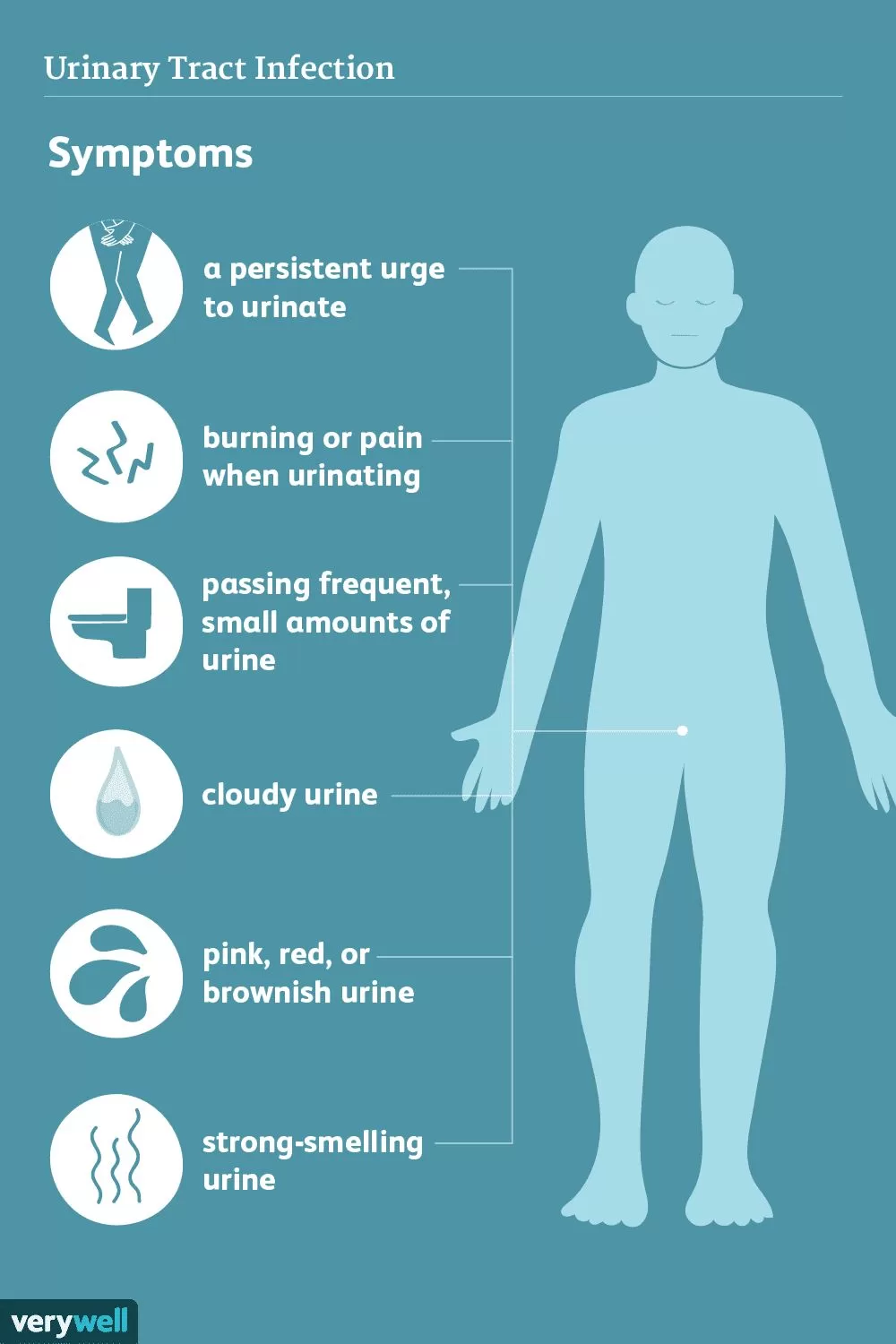
The symptoms of a UTI can include:
    •    A burning feeling when you pee
    •    A frequent or intense urge to pee, even though little comes out when you do
    •    Cloudy, dark, bloody, or strange-smelling pee
    •    Feeling tired or shaky
    •    Fever or chills (a sign that the infection may have reached your kidneys)
    •    Pain or pressure in your back or lower abdomen

Get Treatment for UTI Symptoms – Contact Us Today

Types of UTIs


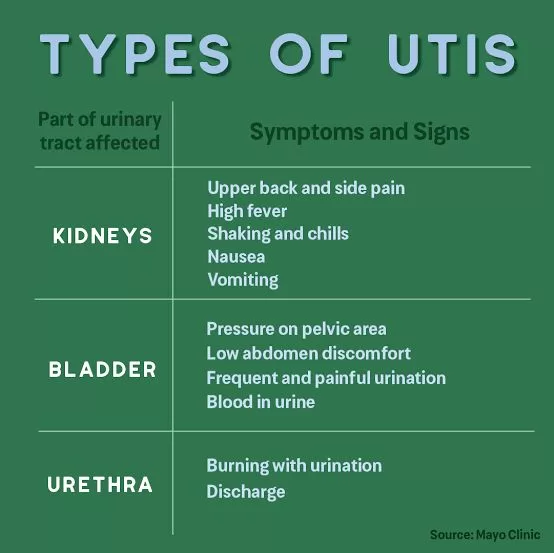
An infection can happen in different parts of your urinary tract. Each type has a different name, based on where it is.
    •    Cystitis(bladder): You might feel like you need to pee a lot, or it might hurt when you pee. You might also have lower belly pain and cloudy or bloody urine.
    •    Pyelonephritis(kidneys): This can cause fever, chills, nausea, vomiting, and pain in your upper back or side.
    •    Urethritis(urethra): This can cause a discharge and burning when you pee.

Visual representation of the types of urinary tract infections (UTIs), categorized by their location in the urinary system

Causes of UTIs

UTIs are a key reason why doctors tell women to wipe from front to back after using the bathroom. The urethra — the tube that takes pee from the bladder to the outside of the body — is close to the anus. Bacteria from the large intestine, such as E. coli, can sometimes get out of your anus and into your urethra. From there, they can travel up to your bladder and, if the infection isn’t treated, can continue on to infect your kidneys. Women have shorter urethras than men. That makes it easier for bacteria to get to their bladders. Having sex can introduce bacteria into your urinary tract, too.

Some women are more likely to get UTIs because of their genes. The shape of their urinary tracts makes others more likely to be infected. Women with diabetes may be at higher risk because their weakened immune systems make them less able to fight off infections. Other conditions that can boost your risk include hormone changes, multiple sclerosis, and anything that affects urine flow, such as kidney stones, a stroke, and a spinal cord injury.

UTI Tests and Diagnosis

If you suspect that you have a urinary tract infection, go to the doctor. You’ll give a urine sample to test for UTI-causing bacteria.
If you get frequent UTIs and your doctor suspects a problem in your urinary tract, they might take a closer look with an ultrasound, a CT scan, or an MRI scan. They might also use a long, flexible tube called a cystoscope to look inside your urethra and bladder.

Get Tested for UTI – Schedule Your Appointment Now

Treatments for UTIs

If your physician thinks you need them, antibiotics are the most common treatment for urinary tract infections. As always, be sure to take all of your prescribed medicine, even after you start to feel better. Drink lots of water to help flush the bacteria from your body. Your doctor may also give you medication to soothe the pain. You might find a heating pad helpful.

To Watch the Video click here HTTPS://YOUTU.BE/RTKJM7UWLWA