Understanding Endometrial Cancer: Symptoms, Causes, Diagnosis, and Prevention
What is Endometrial Cancer?
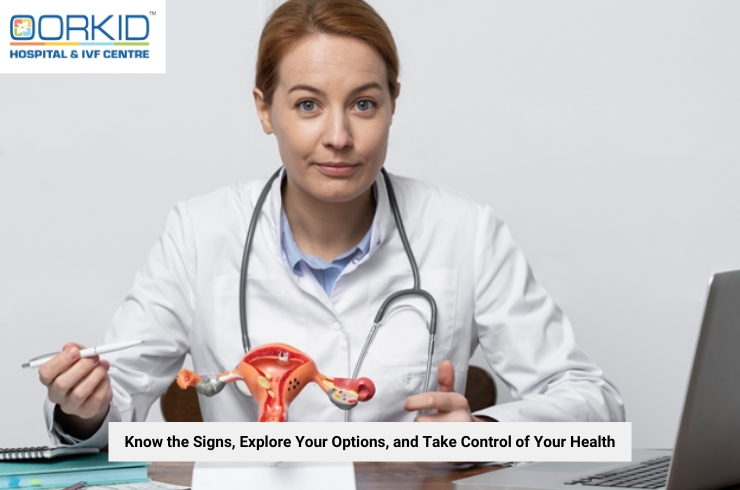
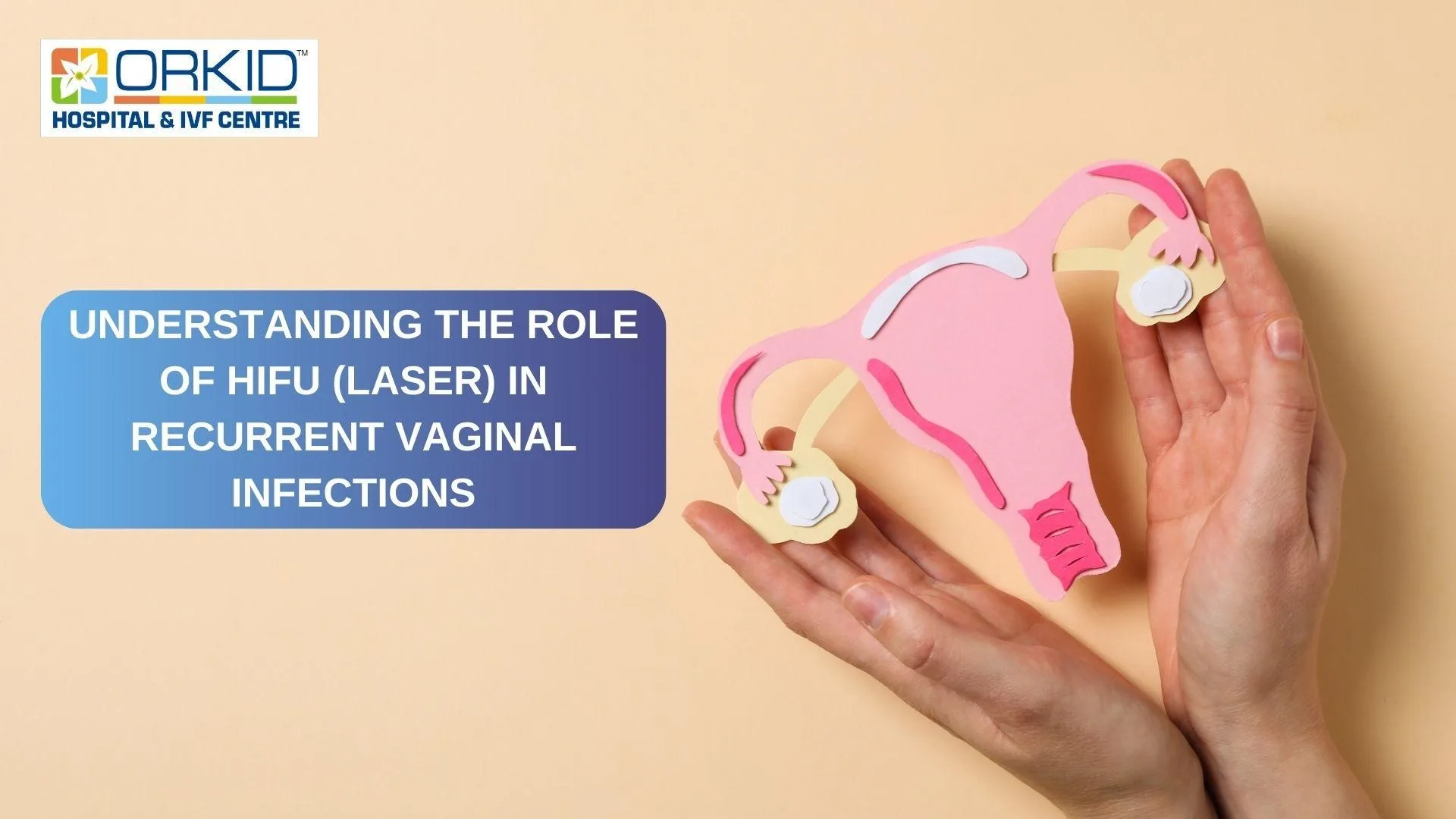
Endometrial cancer is a type of cancer that starts in the lining of the uterus. This lining is called the endometrium. The uterus is a part of the female reproductive system. It is where a baby grows during pregnancy. Endometrial cancer is also known as uterine cancer. It is one of the most common gynecologic cancers, especially in women after menopause. According to the CDC, endometrial cancer affects thousands of women each year in the United States. Early detection can help improve outcomes. Therefore, knowing the signs and risk factors is important for women’s health.
Common Symptoms of Endometrial Cancer
Most women notice symptoms early. However, some signs may be mild at first. If you notice any of the following, talk to your doctor:Vaginal bleeding after menopauseBleeding between periodsUnusual vaginal dischargePain in the lower belly or pelvisPain during sexUnexplained weight loss
Sometimes, these symptoms can be caused by other health problems. But, it is always best to check with a healthcare provider. Early diagnosis can make treatment easier.
Causes and Risk Factors
Doctors do not know the exact cause of endometrial cancer. However, certain factors can raise your risk. Understanding these can help you stay aware:Age: Most cases happen in women over 50.Obesity: Extra body fat can affect hormone levels.Hormone changes: High levels of estrogen can increase risk.Family history: Having close relatives with uterine or colon cancer may raise your risk.Diabetes: Women with diabetes have a higher risk.Never being pregnant: Women who have never had children may be at higher risk.Use of certain medicines: Some hormone therapies can increase risk.
Even though these factors can increase risk, not everyone with them will get endometrial cancer. Likewise, some women with no risk factors may still develop it.
How Endometrial Cancer is Diagnosed
Doctors use several steps to diagnose endometrial cancer. First, they ask about your symptoms and medical history. Next, they may do a pelvic exam. If needed, your doctor may suggest tests such as:Ultrasound: This test uses sound waves to look at the uterus.Endometrial biopsy: A small sample of the uterine lining is taken and checked for cancer cells.Dilation and curettage (D&C): This is a minor procedure to collect more tissue if needed.Imaging tests: CT scans or MRIs may be used to see if cancer has spread.
Early diagnosis helps doctors find the best treatment plan. If you have symptoms, do not wait to seek help.
Treatment Options
Treatment for endometrial cancer depends on the stage and your overall health. Your doctor will explain the best options for you. Common treatments include:Surgery: Removing the uterus (hysterectomy) is often the main treatment.Radiation therapy: High-energy rays are used to kill cancer cells.Hormone therapy: Medicines can block hormones that help cancer grow.Chemotherapy: Drugs are used to destroy cancer cells, especially if cancer has spread.
Sometimes, doctors use more than one treatment. Your care team will guide you through each step. Support from family and friends can also help during treatment.
Prevention and Lifestyle Tips
While you cannot prevent all cases of endometrial cancer, some steps may lower your risk. Consider these tips for better women’s health:Maintain a healthy weight by eating balanced meals and staying active.Manage health conditions like diabetes with your doctor’s help.Talk to your doctor about hormone therapy risks before starting treatment.See your gynecologist for regular check-ups, especially after menopause.Report any unusual bleeding or symptoms right away.
Making healthy choices can support your overall well-being. Early action is key for prevention and better outcomes.
Consult a gynecologist at Oorkid Hospital and IVF Centre for personalized advice on endometrial cancer.