
Understanding PCOS: Symptoms, Diagnosis, and Effective Management
What is PCOS?
Polycystic Ovary Syndrome, or PCOS, is a common health problem. It affects women of childbearing age. PCOS awareness is important because many women do not know they have it. PCOS happens when hormones in the body are out of balance. This can cause problems with periods, skin, and even fertility. According to the CDC, PCOS affects about 1 in 10 women. Early understanding helps with better care and management.
Common Symptoms of PCOS
Many women notice signs of PCOS in their teens or early twenties. However, symptoms can start at any age after puberty. Not every woman has the same symptoms. Still, some signs are more common than others. For example, you may notice:Irregular periods or missed periodsExtra hair growth on the face, chest, or backAcne or oily skinThinning hair or hair loss on the scalpWeight gain or trouble losing weightDark patches of skin, often on the neck or underarms
Because these symptoms can be mild, many women do not realize they have PCOS. Yet, knowing the signs of PCOS can help you seek help sooner.
Causes and Risk Factors
Doctors do not know the exact cause of PCOS. However, several factors may play a role. For instance, genetics can increase your risk. If your mother or sister has PCOS, you may be more likely to have it too. In addition, high levels of insulin in the body can lead to PCOS. Insulin helps control blood sugar. When the body does not use insulin well, it makes more. This can cause hormone changes and lead to PCOS. Obesity can also raise your risk. But even women at a healthy weight can get PCOS.
How PCOS is Diagnosed
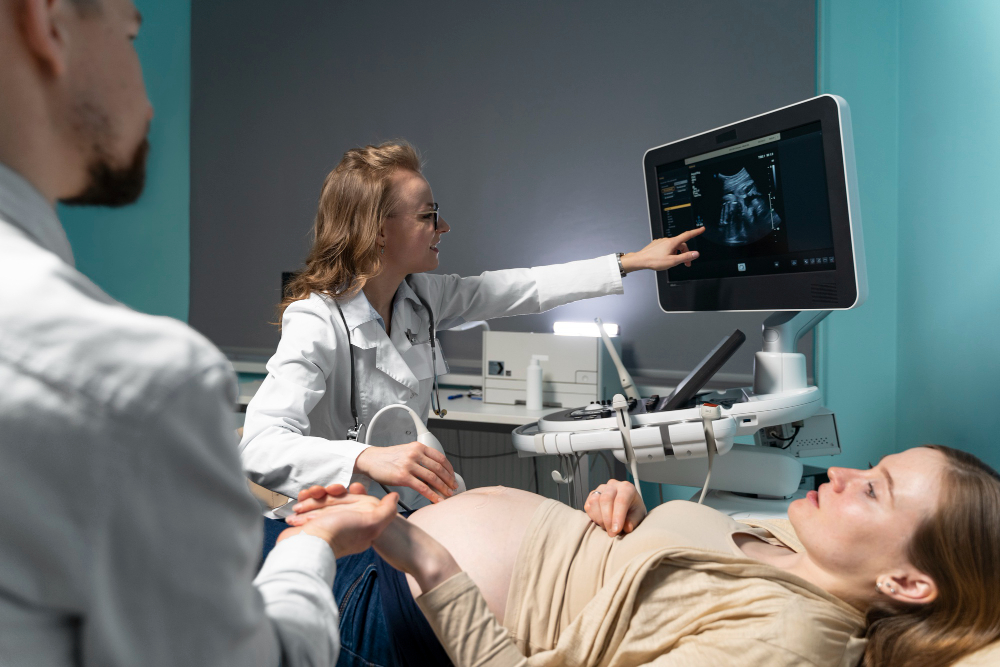
Doctors use several steps for PCOS diagnosis. First, they ask about your symptoms and medical history. Next, they may do a physical exam. Blood tests help check hormone levels. An ultrasound can show if there are small cysts on the ovaries. However, not all women with PCOS have cysts. Because other problems can cause similar symptoms, your doctor will rule out other conditions. Early PCOS diagnosis can help you start treatment sooner.
Treatment Options and Lifestyle Management
There is no cure for PCOS, but many PCOS treatment options can help manage symptoms. Your doctor may suggest:Birth control pills to help with periods and hormone balanceMedicines to lower insulin or help with acne and hair growthFertility treatments if you want to get pregnant
Besides medicine, lifestyle changes are important. For example, eating a healthy diet and staying active can help control weight and lower insulin. Even a small weight loss can improve symptoms. Living with PCOS can be easier with support and good habits.
Prevention and Self-Care Tips
While you cannot always prevent PCOS, some steps may help lower your risk or manage symptoms. Try these self-care tips: Eat balanced meals with fruits, vegetables, and whole grains Exercise regularly, even simple walks help Keep a healthy weight, if possible, manage stress with relaxation or hobbies See your doctor for regular check-ups
Because PCOS can affect many parts of your health, self-care is key. Small changes can make a big difference over time.
Importance of PCOS Awareness
PCOS awareness helps women get the care they need. Many women live with symptoms for years before getting help. By learning about PCOS, you can spot signs early and talk to your doctor. Early treatment can prevent problems like diabetes, heart disease, and infertility. Sharing what you know can also help friends and family. Together, we can support women living with PCOS.
If you think you may have PCOS or have questions, consult a healthcare specialist at Oorkid Hospital and IVF Centre for personalized advice and care.