Intrauterine Growth Restriction: Causes, Symptoms, Diagnosis, and Management
What is Intrauterine Growth Restriction (IUGR)?
Intrauterine Growth Restriction (IUGR) means a baby grows slower than expected during pregnancy. Because of this, the baby may be smaller than most babies of the same age. Sometimes, doctors also call it fetal growth restriction. Early detection is important, as IUGR in pregnancy can affect the baby’s health. With the right care, many babies with IUGR do well.
Causes of Intrauterine Growth Restriction
Many factors can lead to IUGR. Often, it happens when the baby does not get enough oxygen or nutrients. However, there are several reasons why this may occur:Problems with the placenta, which supplies food and oxygen to the babyHigh blood pressure or preeclampsia in the motherInfections during pregnancy, such as rubella or cytomegalovirusSmoking, alcohol, or drug use during pregnancyMultiple pregnancies, like twins or tripletsChronic health conditions in the mother, such as diabetes or kidney diseaseGenetic or birth defects in the baby
Because these causes vary, your doctor will look for the exact reason in each case.
Common Symptoms and Warning Signs
Usually, IUGR does not cause pain or clear symptoms for the mother. Still, there are some warning signs to watch for:Baby measures smaller than expected during a prenatal visitLess movement from the baby than usualLow weight gain in the mother
However, these signs may not always mean IUGR. Therefore, regular check-ups are important.
Diagnosis: How is IUGR Detected?
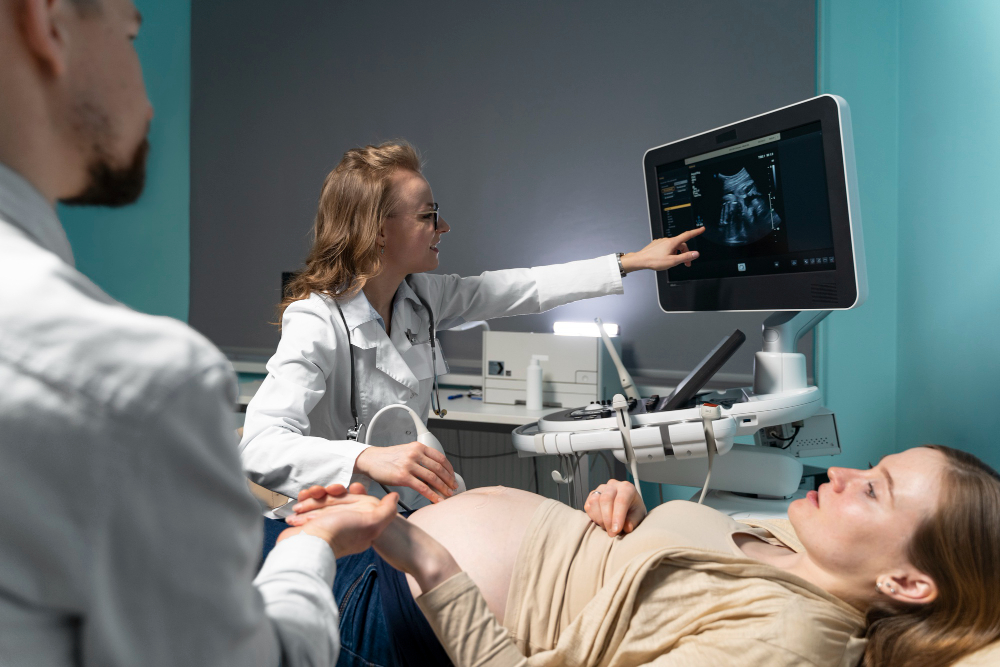
Doctors use several methods to check for intrauterine growth restriction. Early diagnosis helps improve outcomes. Here are common ways IUGR is detected:Measuring the mother’s belly to check the baby’s growthUltrasound scans to measure the baby’s size and weightChecking the amount of amniotic fluid around the babyDoppler tests to see how blood flows to the baby
Because these tests are safe, doctors often repeat them to watch the baby’s growth over time.
Treatment and Management Options
Managing intrauterine growth restriction depends on its cause and how far along the pregnancy is. Early care can help protect the baby. Here are some common management steps:Frequent doctor visits to monitor the baby’s growthMore ultrasounds and tests to check the baby’s healthRest and a healthy diet for the motherStopping smoking, alcohol, or drug useTreating any infections or health problems in the motherSometimes, early delivery if the baby’s health is at risk
Because every pregnancy is different, your doctor will choose the best plan for you. For more details, the CDC and WHO offer helpful information on IUGR in pregnancy.
Prevention and Healthy Pregnancy Tips
While not all cases of IUGR can be prevented, some steps may lower the risk. Here are some tips for a healthy pregnancy:Attend all prenatal visits and follow your doctor’s adviceEat a balanced diet rich in fruits, vegetables, and whole grainsAvoid smoking, alcohol, and drugsManage health conditions like diabetes or high blood pressureGet recommended vaccines to prevent infectionsRest and reduce stress when possible
Because early care matters, always talk to your doctor about any concerns.
When to Seek Medical Help
Sometimes, problems can develop quickly during pregnancy. Therefore, you should call your doctor if you notice:Less movement from your baby than usualSudden swelling, headaches, or vision changesAny bleeding or severe pain
Early action can help keep you and your baby safe.
In summary, intrauterine growth restriction (IUGR) is a serious but manageable condition. With regular care and healthy habits, many babies grow well. Consult your obstetrician or gynaecologist at Oorkid Hospital and IVF Centre for personalised advice on IUGR and optimal prenatal care.